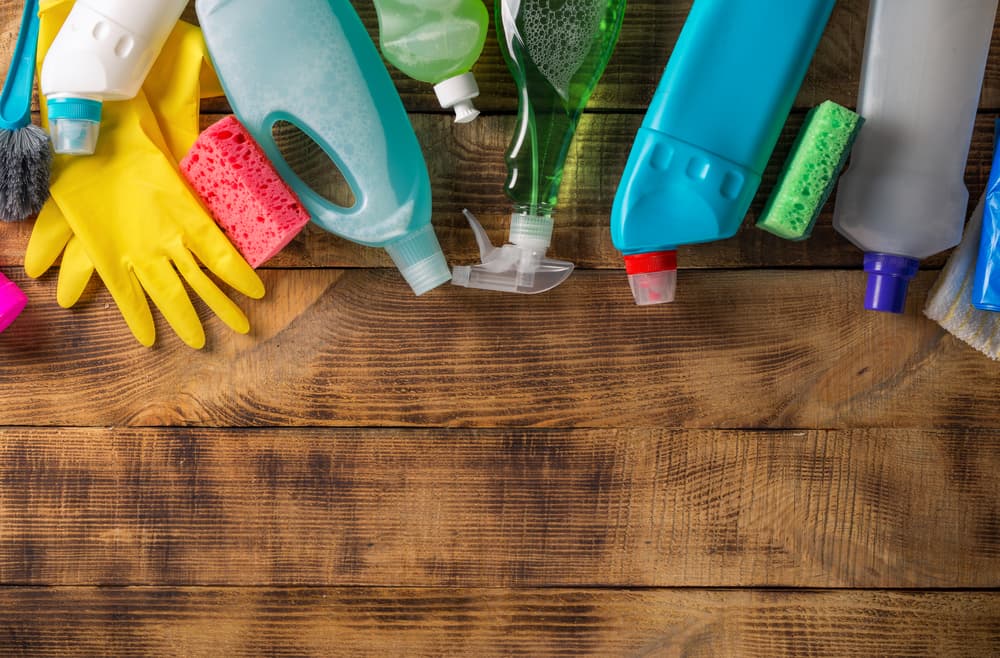
The cleaning industry is undergoing a significant transformation driven by technological advancements, sustainable practices, and evolving consumer demands. This cleaning revolution is reshaping how residential and commercial spaces are maintained, offering enhanced efficiency, effectiveness, and environmental consciousness.
- Technological Advancements
a. Automation and Robotics:
•   Robotic Cleaners: Innovations like robotic vacuum cleaners and automated floor scrubbers are becoming more prevalent. These devices use advanced sensors and AI to navigate spaces and perform cleaning tasks autonomously  .
•   Drones: Drones equipped with cleaning tools are being used for high-rise building maintenance and hard-to-reach areas, reducing the need for human intervention and increasing safety .
b. Smart Cleaning Systems:
•   IoT Integration: Internet of Things (IoT) technology is being integrated into cleaning equipment, allowing for real-time monitoring, predictive maintenance, and optimized cleaning schedules based on usage patterns and environmental conditions .
• AI and Machine Learning: AI-driven systems are improving the efficiency of cleaning operations by analyzing data and making real-time decisions to enhance performance and reduce resource consumption .- Sustainable Practices
a. Eco-Friendly Products:
•   Green Cleaning Solutions: There is a growing shift towards using biodegradable and non-toxic cleaning products that are safer for both the environment and human health. Companies are developing innovative formulations that maintain high cleaning standards while minimizing environmental impact  .
•   Water Conservation: Advanced cleaning technologies are being designed to use less water, incorporating methods like steam cleaning and dry ice blasting that are both effective and environmentally friendly .
b. Waste Reduction:
•   Recycling Programs: Many cleaning companies are implementing recycling programs to reduce waste generated from cleaning activities, including the proper disposal of used cleaning materials and packaging .
• Minimal Packaging: The trend towards minimal and sustainable packaging for cleaning products helps reduce the overall carbon footprint and promotes a circular economy .- Enhanced Consumer Experience
a. Customization and Personalization:
•   Tailored Services: Cleaning services are increasingly offering customizable packages tailored to individual needs, whether for residential or commercial clients. This includes flexible scheduling, specific cleaning tasks, and specialized services for unique environments  .
•   On-Demand Services: The rise of app-based platforms allows consumers to book cleaning services on-demand, providing convenience and quick access to professional cleaners .
b. Health and Wellness Focus:
•   Improved Indoor Air Quality: Advanced cleaning techniques and products help reduce allergens, dust, and pollutants, significantly improving indoor air quality and promoting better health for occupants .
•   Sanitization and Disinfection: In response to the COVID-19 pandemic, there has been an increased emphasis on sanitization and disinfection services, ensuring that homes and workplaces are safe and hygienic .
Conclusion
The cleaning revolution is marked by the integration of cutting-edge technology, a commitment to sustainability, and a focus on enhancing the consumer experience. These developments are not only transforming the efficiency and effectiveness of cleaning practices but also promoting a healthier and more environmentally conscious approach to maintaining living and working spaces. As the industry continues to innovate, we can expect even more sophisticated solutions that cater to the evolving needs of society.
