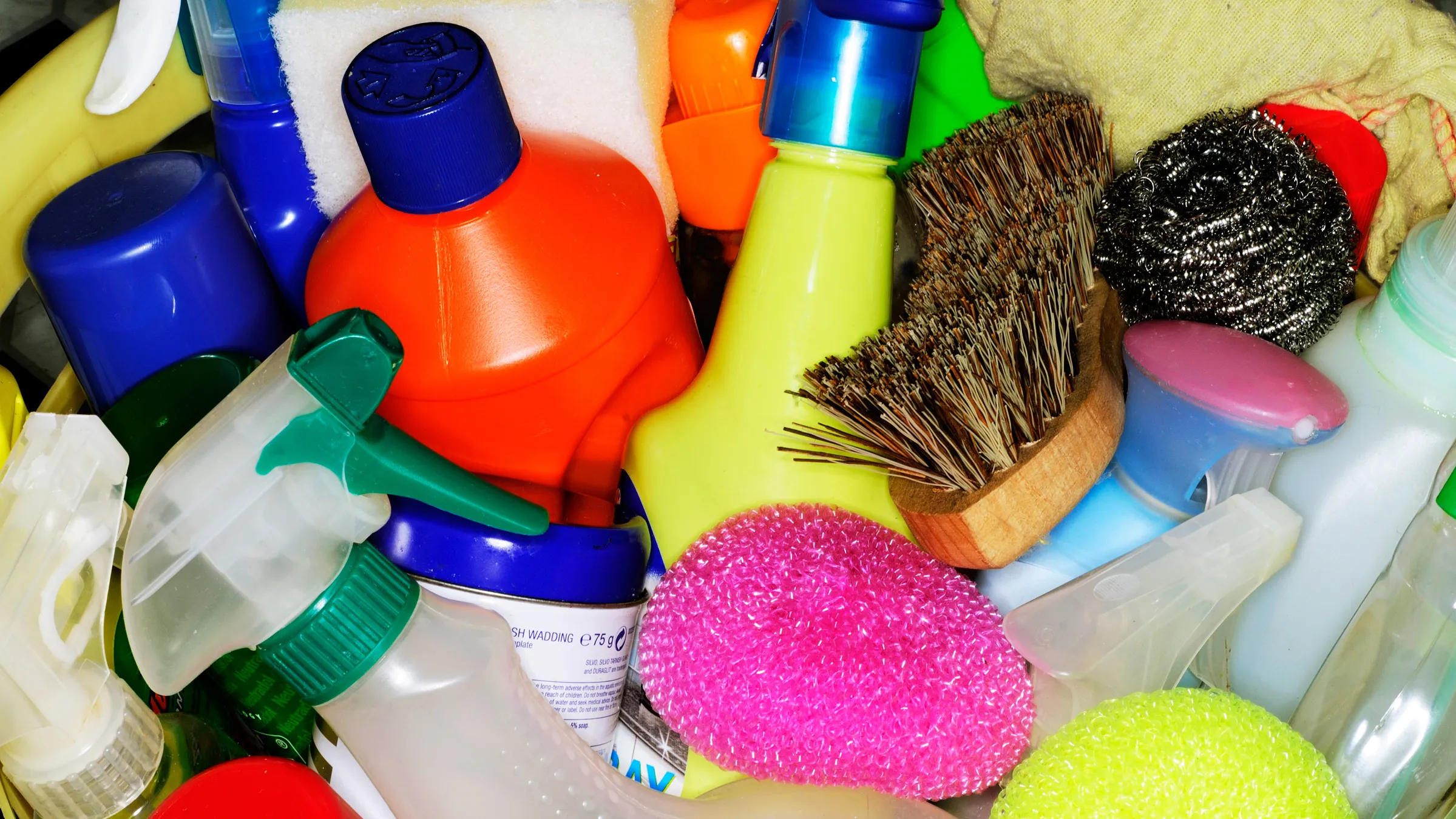
Developing your own cleaning procedures for your cleaning staff involves creating a systematic approach that ensures consistency, efficiency, safety, and quality in the cleaning tasks they perform. Here’s how you can create effective cleaning procedures tailored to your specific needs:
1. Identify Cleaning Needs
- Assess the Environment: Determine the type of environment (e.g., residential, commercial, industrial) and identify the specific cleaning requirements for each area. Consider factors such as the type of surfaces, frequency of use, and potential hazards.
- High-Touch Areas: Identify high-touch surfaces and prioritize them in your cleaning procedures for more frequent cleaning and disinfection.
2. Define Cleaning Tasks
- Categorize Tasks: Break down cleaning tasks into categories such as daily, weekly, and monthly tasks. Include specific tasks for different areas (e.g., bathrooms, kitchens, offices).
- Detail Each Task: Clearly outline what each task involves, such as dusting, vacuuming, mopping, sanitizing, etc., and specify the areas or surfaces to be cleaned.
3. Select Appropriate Cleaning Products and Tools
- Product Selection: Choose cleaning products that are suitable for the surfaces and types of dirt or contaminants you are dealing with. Consider eco-friendly options if possible.
- Tools and Equipment: Identify the tools and equipment required for each task, such as microfiber cloths, vacuums, mops, scrub brushes, and PPE (gloves, masks, etc.).
- Chemical Safety: Provide guidelines on the safe use of chemicals, including proper dilution, application methods, and storage.
4. Establish a Cleaning Sequence
- Order of Operations: Define the sequence in which tasks should be performed to maximize efficiency and avoid cross-contamination. For example, clean from top to bottom and from cleaner areas to dirtier areas.
- Standard Procedures: Create standardized procedures for common tasks, such as dusting, mopping, or disinfecting, to ensure consistency across your cleaning staff.
5. Create a Cleaning Checklist
- Task List: Develop a checklist for each area that includes all tasks to be completed. This serves as a guide for cleaners and ensures nothing is overlooked.
- Frequency: Indicate the frequency of each task (e.g., daily, weekly, monthly) to keep track of what needs to be done and when.
6. Implement Safety Protocols
- Personal Protective Equipment (PPE): Specify the PPE required for each task, such as gloves, masks, or eye protection, especially when handling chemicals.
- Safe Work Practices: Include instructions on safe lifting techniques, handling of sharp objects, and other safety considerations to prevent injuries.
- Emergency Procedures: Outline procedures for dealing with emergencies, such as chemical spills, accidents, or injuries.
7. Training and Education
- Initial Training: Provide thorough training for all cleaning staff on your cleaning procedures, including the proper use of equipment and chemicals, safety protocols, and the importance of following the checklist.
- Ongoing Education: Offer regular refresher courses and updates to keep your staff informed about new products, techniques, and safety practices.
8. Quality Control
- Inspections: Implement regular inspections to ensure that cleaning tasks are being performed according to the established procedures. Provide feedback to staff and address any issues promptly.
- Customer Feedback: Encourage feedback from clients or residents to assess the effectiveness of your cleaning procedures and make adjustments as needed.
9. Documentation
- Written Procedures: Document all cleaning procedures in a clear and concise format. This should be easily accessible to all staff members.
- Logs and Records: Keep records of cleaning activities, inspections, and any issues encountered. This helps in monitoring performance and making improvements.
10. Continuous Improvement
- Evaluate and Adjust: Regularly review and update your cleaning procedures based on feedback, new cleaning technologies, and changes in the environment or regulations.
- Incorporate Innovations: Stay informed about the latest trends and innovations in cleaning products, tools, and techniques, and incorporate them into your procedures where appropriate.
Summary
Developing your own cleaning procedures involves assessing your specific cleaning needs, defining tasks, selecting the right products and tools, establishing a cleaning sequence, and ensuring safety through proper training and protocols. Documentation, regular inspections, and continuous improvement are key to maintaining effective and consistent cleaning practices. This systematic approach helps ensure that your cleaning staff can perform their duties efficiently, safely, and to a high standard.
