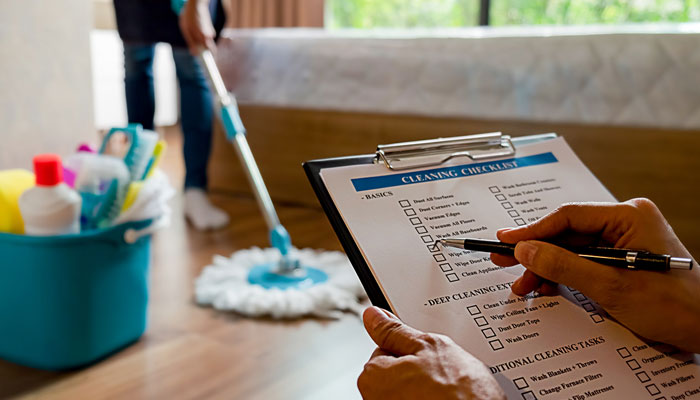
New construction cleaning is a crucial step in making a newly built or renovated space ready for occupancy. It involves a thorough cleaning to remove all the dust, debris, and construction residue left behind by builders. Here’s a detailed guide on how to approach cleaning after construction:
1. Start with a Plan
- Break it Down into Phases: New construction cleaning is typically done in phases: rough clean, light clean, and final clean. Each phase targets different areas and types of dirt.
- Ensure Safety: Wear gloves, masks, and protective eyewear, as dust and debris can be harmful. Make sure the area is well-ventilated.
2. Rough Clean
This is the initial clean that happens after most construction is finished but before any finishing touches, like paint or flooring.
- Remove Large Debris: Pick up any large scraps, nails, or other construction materials left behind.
- Sweep or Vacuum Dust: Use an industrial vacuum or heavy-duty broom to remove sawdust, drywall dust, and other large debris from floors.
- Window Cleaning: Wipe down the insides and outsides of windows, as construction often leaves them covered in dust and smudges. Use a soft cloth and a window cleaning solution.
- Dispose of Trash: Remove all trash from the site, including leftover materials, packaging, and construction debris.
3. Light Clean
This is typically done after the major construction tasks are completed but before the finishing touches like carpets, painting, and fixtures are fully installed.
- Detail Cleaning of Surfaces: Clean all surfaces, such as walls, baseboards, countertops, and doors, to remove fine dust. Use a damp cloth or microfiber cloth.
- Remove Adhesives & Stickers: Contractors often leave protective stickers on new windows, appliances, or fixtures. Use a solution of water and dish soap or a commercial adhesive remover to clean them off.
- Sweep & Mop Floors: At this stage, focus on sweeping or vacuuming and mopping floors. For tile or hardwood, make sure to use appropriate cleaning solutions.
- Wipe Down Fixtures: Clean light fixtures, ceiling fans, and vents, as they collect a lot of dust during construction.
4. Final Clean
This is the last and most detailed phase. It is often performed just before the new owner or tenant moves in.
- Deep Clean All Surfaces: Use a detailed approach for all surfaces, especially in kitchens and bathrooms. Pay attention to corners, ledges, and hard-to-reach areas.
- Polish Fixtures: Clean and polish any stainless steel or metal fixtures in the kitchen, bathroom, and other areas.
- Spot Clean Walls & Baseboards: Check for any marks or stains on the walls and baseboards, and spot clean where necessary.
- Vacuum Carpets: If carpets are installed, use a vacuum with a HEPA filter to pick up any lingering dust. If necessary, consider steam cleaning them.
- Clean Vents & Filters: Clean or replace air filters and vacuum around vents to ensure no dust is blowing through the HVAC system.
- Window Cleaning: Perform a final clean of windows to ensure they’re streak-free.
5. Special Considerations
- Tile & Grout: For newly installed tiles, clean the grout lines using a grout cleaner or a mixture of vinegar and water. Be sure to remove any excess grout that may have been left behind.
- Wood Floors: Use a wood-specific cleaner and a soft mop to clean newly installed wood floors. Avoid too much moisture, as it can damage the wood.
- Appliances: Clean inside and around newly installed appliances like refrigerators, ovens, and dishwashers. Remove any protective plastic or adhesive left by the manufacturers.
- Cabinetry & Shelves: Wipe down the inside and outside of cabinets and drawers to remove construction dust.
6. Tools & Supplies Needed
- Vacuum with HEPA Filter: Essential for picking up fine construction dust that a regular vacuum might miss.
- Microfiber Cloths: Great for dusting and cleaning delicate surfaces without scratching.
- Heavy-Duty Brooms & Mops: For sweeping large areas and mopping hard surfaces.
- Scrapers or Razor Blades: To remove stuck-on debris, adhesives, or stickers from windows and surfaces.
- Specialty Cleaners: Depending on the surfaces you need to clean, such as stainless steel polish, wood floor cleaner, or grout cleaner.
- Buckets & Sponges: For detailed cleaning and scrubbing, especially in bathrooms and kitchens.
7. Tips for Efficiency
- Top-Down Cleaning: Always clean from the top down—start with ceilings, then move to walls, and finally clean floors. This ensures dust falls onto areas you haven’t cleaned yet.
- Use a Shop-Vac: A wet/dry vacuum is extremely effective for cleaning up construction debris and dust.
- Damp Dusting: When dealing with fine construction dust, using a damp cloth is more effective than a dry one, as it traps the dust instead of spreading it.
- Double-Check All Hidden Areas: Look inside cabinets, behind doors, and under appliances for hidden dust and debris.
8. Final Inspection
After the final cleaning, do a walkthrough to ensure that every corner of the space is clean and ready. Check for any missed spots or areas that may require a second pass. This includes checking the quality of the windows, appliances, and flooring.
By following this phased approach and paying attention to detail, you can ensure the new construction space is spotless and ready for occupancy.
