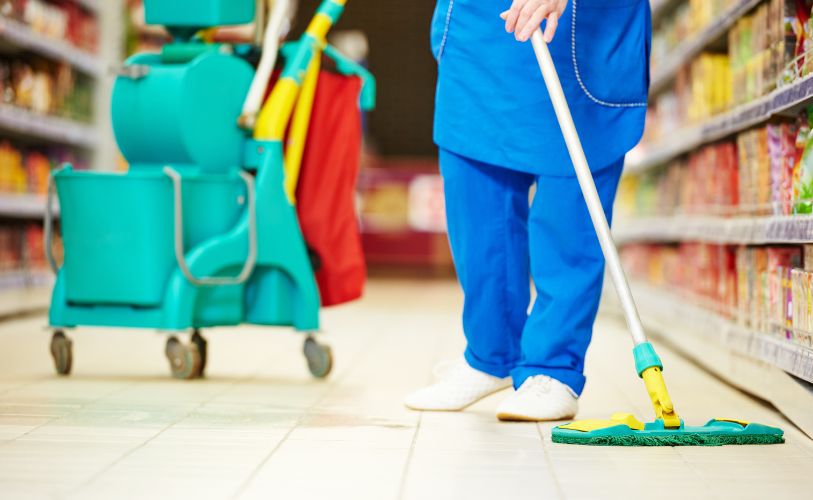
Retail and commercial space cleaning requires specialized attention to ensure a clean, safe, and appealing environment for both customers and employees. These areas often have high foot traffic, diverse types of surfaces, and different needs depending on the business type. Here’s a breakdown of how cleaning services are typically managed for retail and commercial spaces:
1. General Cleaning and Maintenance
- Floor Care: With heavy foot traffic, regular floor cleaning is essential. This includes sweeping, mopping, and vacuuming to keep the floors looking polished and free of dirt and debris. For retail spaces, clean and polished floors contribute to a welcoming environment for customers.
- Specialized Floor Care: Depending on the type of flooring (tiles, hardwood, carpet), different cleaning techniques are used. Retail and commercial spaces may also require periodic deep cleaning, buffing, waxing, or shampooing carpets.
- Surface and Display Cleaning: Countertops, shelves, and display areas need frequent dusting and wiping to prevent dust buildup and maintain a professional appearance. Regular surface cleaning ensures products and displays remain visually appealing.
- Glass and Windows: Clean windows and mirrors are vital in retail spaces to enhance lighting and visual appeal. Regular glass cleaning (both inside and outside) ensures a clear, streak-free finish that improves the overall shopping experience.
2. Restroom Cleaning
- Sanitization and Disinfection: In commercial spaces, maintaining clean restrooms is critical for hygiene and customer satisfaction. This involves sanitizing sinks, toilets, and high-touch areas like door handles and soap dispensers, as well as replenishing paper towels, toilet paper, and hand soap.
- Odor Control: Effective cleaning helps prevent unpleasant odors, which can negatively impact customers’ perception of the space. Odor-neutralizing cleaning agents or air fresheners may be used to maintain a pleasant environment.
3. High-Traffic Area Cleaning
- Daily Cleaning of Entryways and Lobbies: Entryways, lobbies, and common areas see the most traffic and can accumulate dirt quickly. Regular sweeping, mopping, and disinfection of these areas are essential for creating a clean first impression for visitors and customers.
- High-Touch Surface Disinfection: Areas like elevator buttons, door handles, payment counters, and handrails should be frequently disinfected to minimize the spread of germs, especially in spaces where many people interact.
4. Waste Management
- Regular Trash Removal: Trash bins in customer areas, restrooms, and breakrooms should be emptied regularly to maintain cleanliness and prevent odors or pest issues. Recycling should also be properly managed to promote an eco-friendly environment.
- Specialized Disposal: In some commercial spaces, especially those in industries like healthcare or manufacturing, specific types of waste may need to be disposed of according to regulations. Professional cleaning services often offer this specialized waste management.
5. Storefront Cleaning
- Window Display Maintenance: Storefront windows and displays need to be kept pristine to attract customers. Professional cleaners can ensure that windows remain streak-free and displays are free of dust or smudges.
- Exterior Cleaning: For retail spaces, maintaining a clean exterior is as important as the interior. Sidewalks, entranceways, and parking lots should be kept clean to create a welcoming atmosphere for shoppers. Services like pressure washing are often used for deep cleaning of outdoor areas.
6. Specialized Cleaning for Commercial Spaces
- Warehouse and Storage Areas: In commercial spaces with warehouses or stockrooms, it’s crucial to keep these areas clean and organized to ensure safety and efficiency. Dust, debris, and spills need to be cleaned regularly to prevent accidents and maintain inventory quality.
- Office and Breakroom Cleaning: For commercial offices within retail spaces, cleaning includes sanitizing desks, keyboards, phones, and common areas like breakrooms and meeting rooms. Regular disinfection of shared spaces helps in reducing the spread of germs.
- Retail Fixture and Equipment Cleaning: Fixtures, shelves, and retail equipment such as cash registers or self-checkout machines must be cleaned and disinfected regularly, ensuring hygiene and functionality.
7. Air Quality and Ventilation
- HVAC and Vent Cleaning: Keeping vents clean and ensuring proper air filtration is critical in commercial spaces to maintain good air quality. Regular maintenance of HVAC systems helps reduce dust, allergens, and odors, creating a healthier environment for employees and customers.
- Odor Control Systems: In retail settings, particularly food or clothing stores, odor control systems like air fresheners or diffusers can enhance the atmosphere, making it more pleasant for shoppers.
8. Green Cleaning Practices
- Eco-Friendly Products: Many retail and commercial spaces are adopting green cleaning practices, using non-toxic and environmentally friendly cleaning products. This reduces chemical exposure for employees and customers and aligns with sustainability initiatives.
- Energy Efficiency: Professional cleaning services may also incorporate energy-efficient equipment, such as vacuums or floor scrubbers that use less power, contributing to a company’s overall green initiatives.
9. Deep Cleaning and Seasonal Maintenance
- Deep Cleaning Schedules: Retail and commercial spaces often require periodic deep cleaning, which may involve carpet shampooing, tile and grout cleaning, and upholstery care. These deep cleans ensure that the space remains in top condition and extends the life of fixtures and furniture.
- Seasonal Cleaning: Retail spaces may require additional cleaning during seasonal transitions, such as before holiday sales, or during spring cleaning when pollen and other allergens are more prevalent.
10. Health and Safety Compliance
- Adhering to Industry Standards: Many retail and commercial spaces need to comply with specific health and safety regulations, such as OSHA standards or industry-specific guidelines. Professional cleaning services ensure that all cleaning processes meet these requirements, especially in industries like food retail, healthcare, and hospitality.
- Pest Control: Preventive pest control measures are essential, especially in retail spaces that handle food or perishables. Regular cleaning and proper waste management help minimize the risk of pest infestations, protecting both the property and the merchandise.
By maintaining a high standard of cleanliness in retail and commercial spaces, businesses can create a healthier environment for employees, improve customer satisfaction, and preserve their brand image. Regular and deep cleaning schedules tailored to the specific needs of the space help ensure its longevity and appeal.
