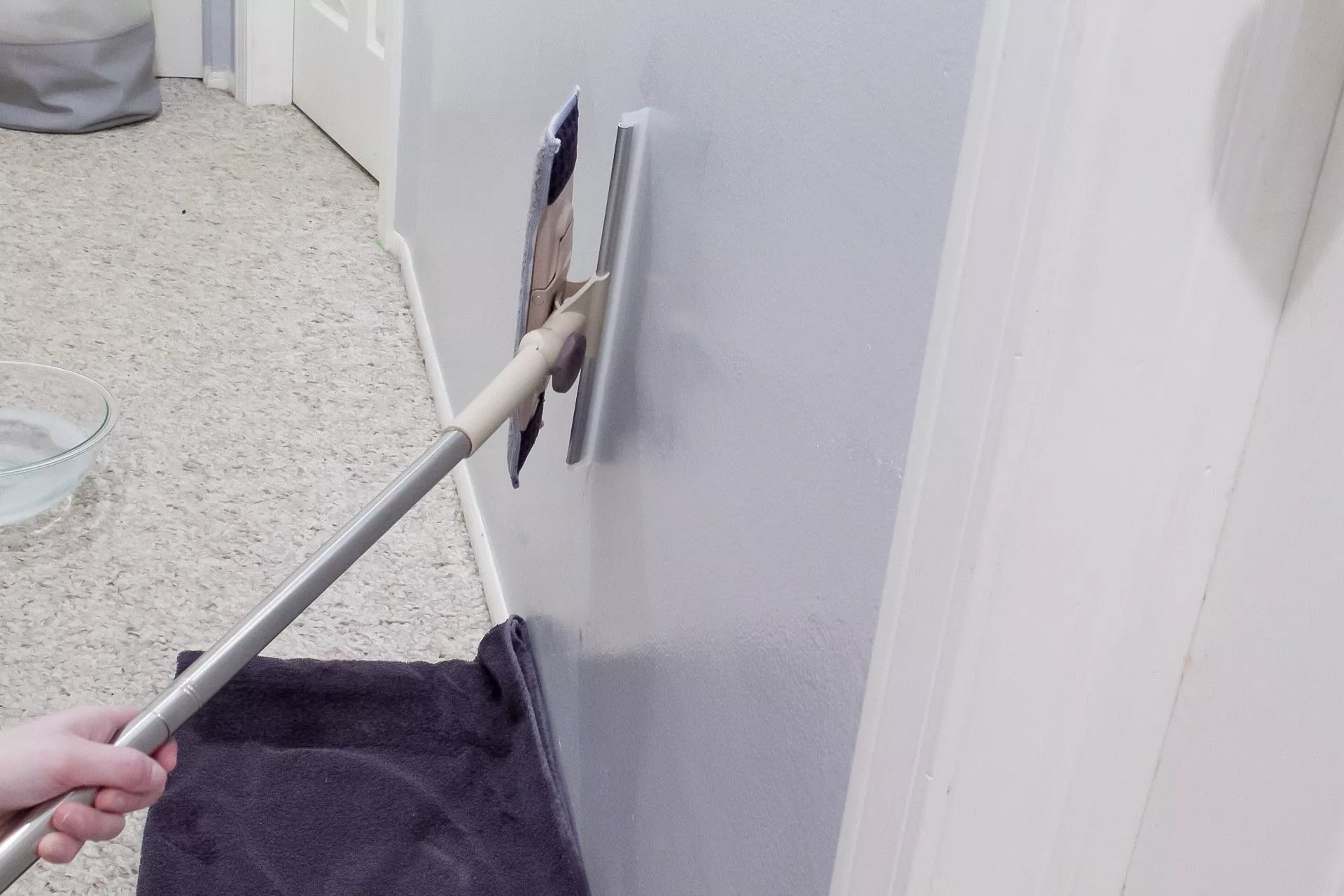
Cleaning walls can seem like a daunting task, but with the right tools and techniques, it can be done with ease and efficiency. Here are some tips to help you clean your walls without much hassle:
1. Gather Your Supplies
Before starting, gather all necessary supplies to avoid interruptions:
- Soft sponge or microfiber cloths
- Bucket of warm water
- Mild dish soap or all-purpose cleaner
- Baking soda (for tougher stains)
- Vinegar and water solution (for light cleaning)
- Extendable duster or mop (for hard-to-reach spots)
- Dry cloths or towels (for drying)
- Step stool or ladder (if needed for high walls)
2. Dust the Walls First
- Use a microfiber cloth or duster: Start by dusting the walls from top to bottom to remove surface dust and cobwebs. You can use an extendable duster or even a broom wrapped with a cloth for high areas.
- Vacuum the baseboards: Use a vacuum with a brush attachment to clean dust along baseboards and in corners where dust tends to accumulate.
3. Test a Small Area
- Spot test: Before cleaning the entire wall, test your cleaning solution on a small, inconspicuous area. This is especially important for painted walls to ensure the cleaner won’t damage the paint or finish.
4. Use Mild Soap for General Cleaning
- Mix warm water and mild dish soap: In a bucket, mix a few drops of dish soap with warm water. This solution is effective for general cleaning without being too harsh on your walls.
- Wring out the sponge: Dip your sponge or cloth into the soapy water, wring it out well so it’s damp, not soaking wet (too much water can damage paint or drywall).
- Start at the bottom: Begin wiping from the bottom of the wall and work your way up to avoid streaking. Clean small sections at a time using circular motions.
- Rinse and dry: Rinse the area with a clean, damp cloth to remove any soap residue, then dry with a towel.
5. Clean Stains with Baking Soda
- Make a paste: For tougher stains (like fingerprints, grease, or scuff marks), make a paste with baking soda and water.
- Gently scrub: Apply the paste to the stain with a soft cloth or sponge, gently scrub the area, and then wipe it clean with a damp cloth.
- Rinse and dry: Ensure you wipe off the baking soda and dry the area afterward to prevent streaks or residue.
6. Use Vinegar for Spot Cleaning
- Vinegar and water solution: Mix equal parts white vinegar and water in a spray bottle for light spot cleaning.
- Spray and wipe: Spray the solution on the stained area and wipe it with a damp cloth. Vinegar works great for removing grime, sticky spots, and odors.
- Dry the wall: Use a dry cloth to wipe the area and avoid water spots.
7. Clean High Walls with an Extendable Mop
- Use a microfiber mop or sponge mop: For high walls, attach a microfiber cloth or sponge to an extendable mop handle.
- Dip in soapy water: Dip the mop in the cleaning solution, wring it out, and clean the high sections of the wall without using a ladder.
- Rinse and dry: Go over the area with clean water and then dry it using a clean cloth or mop attachment.
8. Pay Attention to Painted Walls
- For flat/matte paint: Be extra gentle, as scrubbing too hard can cause paint to come off. Use a soft cloth and mild soap. Avoid harsh chemicals.
- For glossy or semi-gloss paint: These finishes are more durable, so you can use a slightly stronger cleaner or scrubbing if needed. Still, avoid abrasive sponges or harsh chemicals.
- For walls with wallpaper: Use minimal water to avoid damaging the wallpaper. Stick to light dusting or wiping with a damp cloth.
9. Tackle Tough Grease Stains in the Kitchen
- Degreaser or vinegar solution: In the kitchen, where walls can get greasy, use a degreasing cleaner or a vinegar-water solution to break down the grease.
- Scrub with a soft sponge: Apply the cleaner to the grease spots and gently scrub with a sponge. Rinse and dry the area thoroughly.
10. Dry the Walls
- Prevent streaks: After cleaning, go over the walls with a clean, dry cloth or towel to prevent water streaks and marks.
- Open windows or use fans: Allow the walls to dry by opening windows or using fans for better air circulation.
Bonus Tips:
- Clean regularly: Dust or wipe down your walls every few months to prevent buildup.
- Use erasers for marks: For small marks, use a magic eraser or similar product. Just be cautious, as these can sometimes be abrasive on delicate surfaces.
- Protect your walls: Use washable paint in high-traffic areas for easier cleanup in the future.
By following these tips, you can make wall cleaning easy and keep your walls looking fresh and clean year-round!
