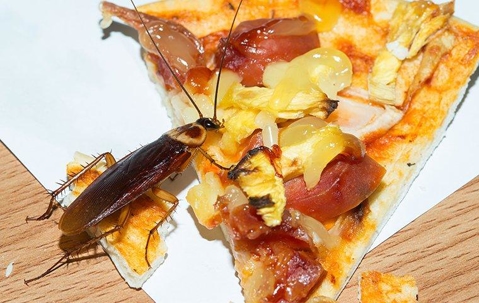
Preventing pests in a restaurant is crucial for maintaining hygiene, ensuring customer satisfaction, and complying with health regulations. Here are some comprehensive tips to help prevent pests in your restaurant:
1. Maintain Cleanliness
- Daily Cleaning: Clean all kitchen surfaces, dining areas, and restrooms daily. Pay special attention to food preparation and storage areas.
- Deep Cleaning: Schedule regular deep cleaning of kitchen equipment, floors, walls, and behind appliances.
- Immediate Cleanup: Clean up spills and crumbs immediately to prevent attracting pests.
2. Proper Food Storage
- Sealed Containers: Store food in airtight, pest-proof containers to prevent access.
- Elevated Storage: Keep food storage off the floor on shelves or pallets to minimize pest access.
- FIFO System: Use the “First In, First Out” system to ensure older products are used before newer ones, reducing the chance of attracting pests with spoiled food.
3. Waste Management
- Tightly Sealed Bins: Use garbage bins with tight-fitting lids and empty them regularly.
- Frequent Disposal: Dispose of waste frequently to prevent odors and pest attraction.
- Clean Bins: Regularly clean and disinfect garbage bins to remove residues that attract pests.
4. Regular Inspections
- Routine Checks: Conduct regular inspections of the entire restaurant, including dining areas, kitchen, storage rooms, and restrooms.
- Professional Inspections: Hire a pest control professional to perform regular inspections and identify potential problems early.
5. Seal Entry Points
- Seal Cracks and Gaps: Inspect and seal cracks, gaps, and holes in walls, floors, doors, and windows to prevent pests from entering.
- Door Sweeps: Install door sweeps on exterior doors to block entry points for pests.
- Window Screens: Ensure windows and vents have intact screens to keep out flying insects.
6. Control Moisture
- Fix Leaks: Repair any leaking pipes, faucets, or appliances to prevent moisture buildup, which attracts pests.
- Proper Drainage: Ensure proper drainage in sinks, floors, and storage areas to avoid standing water.
- Humidity Control: Use dehumidifiers if necessary to control humidity levels, particularly in storage areas.
7. Implement Integrated Pest Management (IPM)
- Identification: Properly identify the type of pests and understand their behavior and habits.
- Monitoring: Use traps and monitoring devices to detect pest presence and activity.
- Prevention: Focus on preventive measures, including sanitation, maintenance, and exclusion techniques.
- Control Methods: Use a combination of biological, mechanical, and chemical control methods as needed.
8. Employee Training
- Educate Staff: Train employees on proper cleaning practices, food storage, and waste management to prevent pest infestations.
- Reporting Protocol: Establish a protocol for staff to report pest sightings or evidence of pest activity promptly.
- Consistent Practices: Ensure all staff members follow consistent procedures to maintain a pest-free environment.
9. Regular Pest Control Services
- Professional Services: Partner with a licensed pest control company to perform regular treatments and provide expert advice.
- Documentation: Keep records of all pest control activities, including inspections, treatments, and identified issues.
10. Landscaping and Exterior Maintenance
- Trim Vegetation: Keep shrubs, trees, and grass well-trimmed and away from the building to reduce pest harborage areas.
- Outdoor Cleanliness: Maintain cleanliness around the exterior of the restaurant, including dumpsters and loading docks.
- Lighting: Use pest-repellent lighting or position outdoor lights away from entrances to reduce attracting flying insects.
By implementing these tips, you can significantly reduce the risk of pest infestations in your restaurant, ensuring a safe and hygienic environment for both customers and staff.
