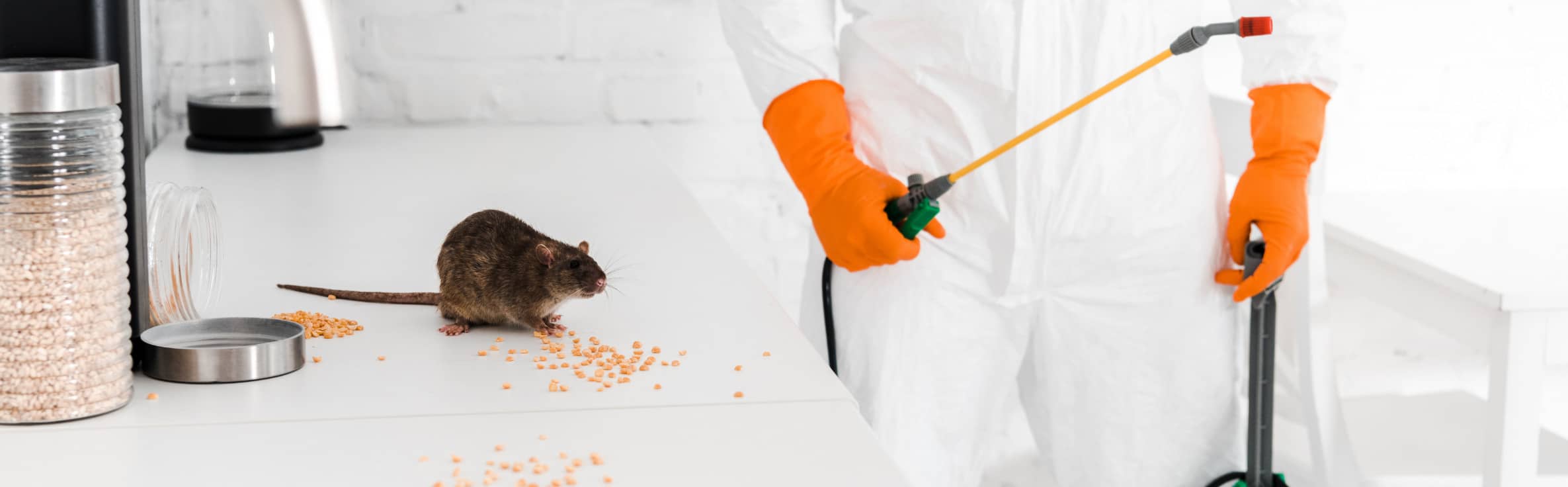
Pest prevention and maintenance are crucial for maintaining a healthy, safe, and hygienic environment in any facility, whether it’s a restaurant, hospital, office, or residential building. Here’s a comprehensive guide to pest prevention and maintenance:
1. Understanding Common Pests
Common Pests and Their Risks
- Rodents (Rats and Mice): Spread diseases, contaminate food, and cause structural damage.
- Insects (Cockroaches, Ants, Flies, Bed Bugs): Spread bacteria, trigger allergies, and damage property.
- Termites: Cause severe structural damage by feeding on wood.
- Birds: Nesting can lead to droppings and noise, which can be health hazards.
- Spiders: While generally not harmful, their presence can indicate other pest issues.
2. Sanitation and Hygiene
Daily Cleaning
- Kitchen and Dining Areas: Clean all surfaces, floors, and equipment to remove food residues.
- Restrooms: Ensure thorough cleaning and disinfection to prevent moisture buildup and odors.
- Common Areas: Regularly vacuum and dust to eliminate crumbs and potential nesting materials.
Waste Management
- Sealed Bins: Use garbage bins with tight-fitting lids to prevent access by pests.
- Frequent Disposal: Dispose of waste regularly to prevent accumulation and odors.
- Clean Bins: Regularly clean and disinfect garbage bins to remove residues.
3. Food Storage and Handling
Proper Storage
- Airtight Containers: Store all food products in airtight, pest-proof containers.
- Elevated Storage: Keep food off the floor and away from walls to reduce access points.
- FIFO System: Implement a “First In, First Out” system to use older products first and prevent spoilage.
4. Structural Maintenance
Sealing Entry Points
- Cracks and Gaps: Inspect and seal cracks and gaps in walls, floors, doors, and windows.
- Door Sweeps and Screens: Install door sweeps and window screens to block entry points.
Moisture Control
- Fix Leaks: Repair leaking pipes, faucets, and appliances promptly.
- Proper Drainage: Ensure proper drainage in sinks, floors, and storage areas to avoid standing water.
- Dehumidifiers: Use dehumidifiers to control humidity levels, especially in basements and storage areas.
5. Regular Inspections
Routine Checks
- Frequent Inspections: Conduct regular inspections of all areas, including kitchens, storage rooms, dining areas, and restrooms.
- Professional Inspections: Schedule regular inspections with a licensed pest control professional to identify and address potential issues early.
6. Pest Monitoring and Traps
Monitoring Devices
- Pheromone Traps: Use traps that attract and capture specific pests for monitoring.
- Sticky Traps: Place sticky traps in strategic locations to monitor pest activity.
Record Keeping
- Maintenance Logs: Keep detailed logs of all pest sightings, treatments, and inspections.
- Inspection Records: Document findings from routine and professional inspections.
7. Integrated Pest Management (IPM)
Identification
- Correct Identification: Properly identify pests to determine the most effective control methods.
Prevention
- Sanitation: Maintain high standards of cleanliness.
- Exclusion: Seal entry points to prevent pest access.
- Habitat Modification: Eliminate conditions that attract pests, such as standing water and food sources.
Control Methods
- Biological Controls: Use natural predators or parasites to control pest populations.
- Mechanical Controls: Employ traps, barriers, and physical removal techniques.
- Chemical Controls: Use pesticides judiciously, following all safety guidelines and regulations.
8. Staff Training and Education
Training Programs
- Employee Training: Train staff on pest prevention, identification, and reporting protocols.
- Ongoing Education: Keep staff updated on new pest control techniques and regulations.
Reporting Protocols
- Encourage Reporting: Encourage staff to report pest sightings or signs of infestation immediately.
- Clear Communication: Establish clear communication channels for reporting and addressing pest issues.
9. Regular Maintenance and Repairs
Building Maintenance
- Routine Maintenance: Regularly inspect and maintain the building’s structure, including roofs, walls, and foundations.
- Prompt Repairs: Address any structural issues or damage promptly to prevent pest access.
10. Professional Pest Control Services
Regular Services
- Scheduled Treatments: Partner with a licensed pest control company for regular treatments and inspections.
- Emergency Services: Ensure you have access to emergency pest control services if needed.
Compliance
- Regulatory Compliance: Ensure all pest control activities comply with local health and safety regulations.
Conclusion
By following this guide, you can create an effective pest prevention and maintenance strategy that protects your facility from infestations, ensures compliance with health regulations, and maintains a safe and hygienic environment. Regular inspections, proper sanitation, staff training, and professional pest control services are key components of a successful pest management program.
