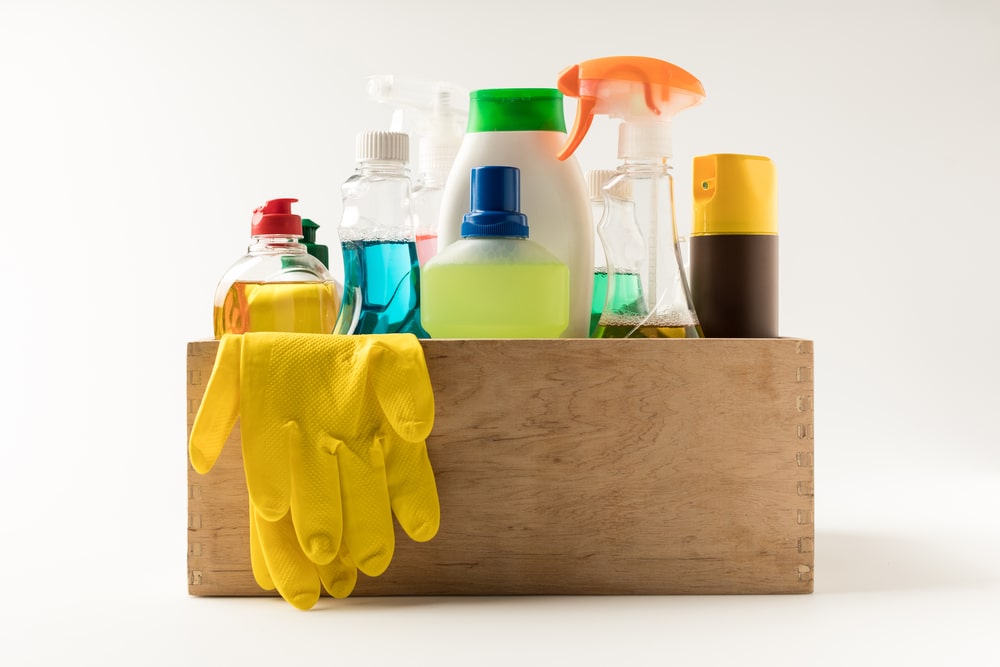
The choice between natural cleaners and chemical cleaners can significantly impact health, safety, and the environment. Understanding the differences, benefits, and potential drawbacks of each type can help you make informed decisions about which products to use. Here’s a comprehensive comparison:
Natural Cleaners
Definition
Natural cleaners are made from ingredients that are naturally derived, biodegradable, and often plant-based. They typically avoid harsh chemicals and synthetic fragrances.
Common Ingredients
- Vinegar: Effective for cleaning glass, removing odors, and disinfecting surfaces.
- Baking Soda: Good for scrubbing, deodorizing, and removing stains.
- Lemon Juice: Natural disinfectant with a pleasant scent; effective against grease.
- Essential Oils: Used for fragrance and added antimicrobial properties (e.g., tea tree oil, lavender oil).
- Castile Soap: Mild soap made from vegetable oils, suitable for various cleaning tasks.
Benefits
- Eco-Friendly: Biodegradable and less harmful to the environment.
- Non-Toxic: Safer for humans and pets; fewer health risks associated with inhalation or skin contact.
- Reduced Allergens: Less likely to cause allergic reactions or respiratory issues.
- Cost-Effective: Many natural ingredients are inexpensive and readily available.
Drawbacks
- Effectiveness: May be less effective against tough stains and heavy-duty cleaning compared to chemical cleaners.
- Shelf Life: Natural products may have a shorter shelf life and can require refrigeration.
- Time and Effort: May require more time and elbow grease to achieve the same results as chemical cleaners.
Chemical Cleaners
Definition
Chemical cleaners are formulated with synthetic compounds and are designed for specific cleaning tasks. They often contain surfactants, solvents, and other chemicals that enhance cleaning efficiency.
Common Ingredients
- Bleach (Sodium Hypochlorite): Powerful disinfectant and stain remover.
- Ammonia: Effective for cutting grease and grime.
- Quaternary Ammonium Compounds (Quats): Common disinfectants used in hospitals and food service.
- Phosphates: Used in detergents for their water-softening properties.
- Synthetic Fragrances: Added to create pleasant scents but can be allergens.
Benefits
- Efficiency: Highly effective at removing tough stains, grease, and disinfecting surfaces.
- Specialization: Formulated for specific cleaning tasks, providing targeted solutions.
- Convenience: Often available in ready-to-use formats, saving time and effort.
- Long Shelf Life: Generally have a longer shelf life than natural cleaners.
Drawbacks
- Toxicity: Can pose health risks such as skin irritation, respiratory problems, and chemical burns.
- Environmental Impact: Often contain non-biodegradable ingredients that can harm the environment.
- Allergens: Synthetic fragrances and preservatives can trigger allergies and sensitivities.
- Residue: May leave harmful residues on surfaces, requiring thorough rinsing.
Comparison
Health and Safety
- Natural Cleaners: Safer for users, with minimal health risks.
- Chemical Cleaners: Can pose significant health hazards if not used properly, requiring precautions such as gloves and masks.
Environmental Impact
- Natural Cleaners: Eco-friendly, biodegradable, and generally safe for aquatic life.
- Chemical Cleaners: Can contribute to pollution and environmental damage, particularly in water sources.
Effectiveness
- Natural Cleaners: Effective for general cleaning and light to moderate tasks.
- Chemical Cleaners: Superior for heavy-duty cleaning, disinfection, and specific stains.
Cost
- Natural Cleaners: Often cheaper, especially if homemade.
- Chemical Cleaners: Can be more expensive due to specialized formulations and branding.
Best Practices
Using Natural Cleaners
- DIY Recipes: Make your own cleaners using common household ingredients.
- Proper Storage: Store in airtight containers and label them clearly.
- Regular Cleaning: Use regularly to prevent buildup that might require stronger chemicals.
Using Chemical Cleaners
- Read Labels: Follow instructions and safety warnings.
- Ventilation: Ensure good ventilation when using to reduce inhalation risks.
- Protective Gear: Use gloves and masks to protect skin and respiratory health.
- Disposal: Dispose of chemical cleaners properly to minimize environmental impact.
Conclusion
Both natural and chemical cleaners have their place in maintaining cleanliness and hygiene. Natural cleaners are ideal for everyday use, promoting a safer and more sustainable environment. Chemical cleaners, on the other hand, are necessary for more demanding cleaning tasks where stronger agents are required. Balancing the use of both, while prioritizing safety and environmental considerations, can help achieve effective and responsible cleaning practices.
