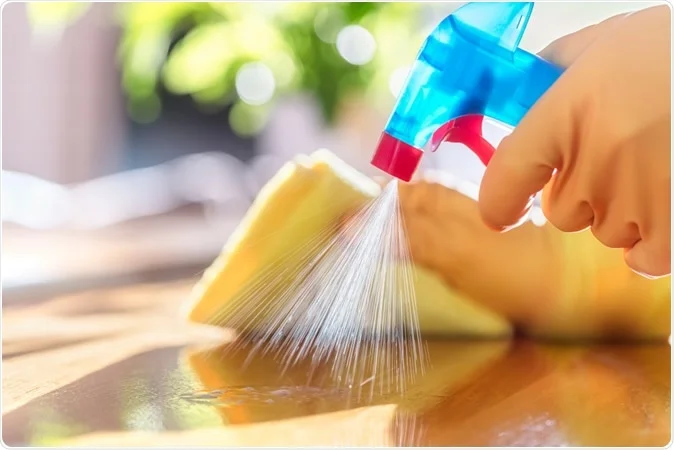
Disinfecting your home properly is crucial for preventing the spread of infections and ensuring a healthy living environment. Here’s a step-by-step guide on how to effectively disinfect your home:
1. Gather Your Supplies
- Disinfectant: Choose a disinfectant that is effective against viruses and bacteria (e.g., EPA-registered disinfectants, bleach solution, or alcohol-based solutions with at least 70% alcohol).
- Cleaning Supplies: Microfiber cloths, sponges, mops, and disposable wipes.
- Gloves: Disposable or reusable rubber gloves.
- Trash Bags: For disposing of used wipes and cleaning materials.
- Ventilation: Open windows or use fans to ensure proper ventilation while cleaning.
2. Clean First, Then Disinfect
- Remove Dirt and Dust: Start by cleaning surfaces with soap and water to remove dirt, dust, and debris. Cleaning first allows disinfectants to work more effectively.
- Focus on High-Touch Areas: Pay special attention to high-touch surfaces such as doorknobs, light switches, countertops, faucets, remote controls, and phones.
3. Disinfecting High-Touch Surfaces
- Apply Disinfectant: Use a disinfectant spray or wipes to thoroughly cover high-touch surfaces. If using a liquid disinfectant, apply it with a microfiber cloth or sponge.
- Follow Contact Time: Allow the disinfectant to sit on the surface for the recommended contact time (usually stated on the product label) to effectively kill germs.
- Wipe Down: After the contact time has passed, wipe the surface with a clean cloth or let it air dry if the disinfectant is designed to dry on its own.
4. Disinfecting Bathrooms
- Toilet: Use a disinfectant cleaner inside the bowl, on the seat, handle, and surrounding areas. Scrub the inside with a toilet brush and wipe the exterior with disinfectant wipes or a cloth.
- Sink and Faucet: Apply disinfectant to the sink, faucet, and surrounding surfaces. Let it sit for the recommended time before wiping clean.
- Shower and Tub: Disinfect the shower and tub, focusing on handles, walls, and any soap or shampoo dispensers.
5. Disinfecting the Kitchen
- Countertops: Wipe down countertops with a disinfectant. Be sure to cover all areas, including under appliances like toasters and microwaves.
- Appliances: Disinfect handles and buttons on appliances such as the refrigerator, microwave, stove, and dishwasher.
- Sink and Faucet: Spray or wipe down the sink and faucet with a disinfectant, allowing it to sit for the required contact time.
6. Disinfecting Electronics
- Turn Off and Unplug: Before cleaning, turn off and unplug electronic devices like phones, tablets, keyboards, and remote controls.
- Use Alcohol-Based Wipes: Gently wipe down electronics with alcohol-based wipes or a cloth dampened with at least 70% alcohol. Avoid getting moisture into any openings.
- Dry with a Soft Cloth: After disinfecting, dry the electronics with a clean, soft cloth.
7. Disinfecting Floors
- Hard Floors: Mop hard floors with a disinfectant solution. Make sure to reach corners and under furniture.
- Carpeted Floors: For carpets, vacuum thoroughly and use a fabric-safe disinfectant spray if needed.
8. Laundry and Soft Surfaces
- Wash Laundry in Hot Water: Wash bedding, towels, and clothing in the warmest water possible, and dry them completely.
- Disinfect Soft Surfaces: For upholstery and curtains, use a fabric-safe disinfectant spray or steam cleaner.
9. Proper Waste Disposal
- Dispose of Cleaning Materials: Dispose of disposable wipes and cloths in a sealed trash bag. Wash reusable cloths in hot water and detergent.
- Wash Hands: After cleaning, wash your hands thoroughly with soap and water for at least 20 seconds.
10. Ventilate Your Home
- Air Out: After disinfecting, ventilate your home by opening windows or using fans to reduce any lingering odors or fumes from cleaning products.
11. Ongoing Maintenance
- Daily Disinfection: Regularly disinfect high-touch surfaces, especially during flu season or if someone in the household is ill.
- Personal Hygiene: Encourage frequent handwashing and the use of hand sanitizer to reduce the spread of germs.
Summary
To properly disinfect your home and prevent infections, clean surfaces first to remove dirt, then apply disinfectants, focusing on high-touch areas. Use appropriate cleaning solutions for different surfaces, ensure proper contact time for disinfectants, and maintain good ventilation throughout the process. Regular disinfection, especially of high-touch surfaces, is key to keeping your home safe and healthy.
