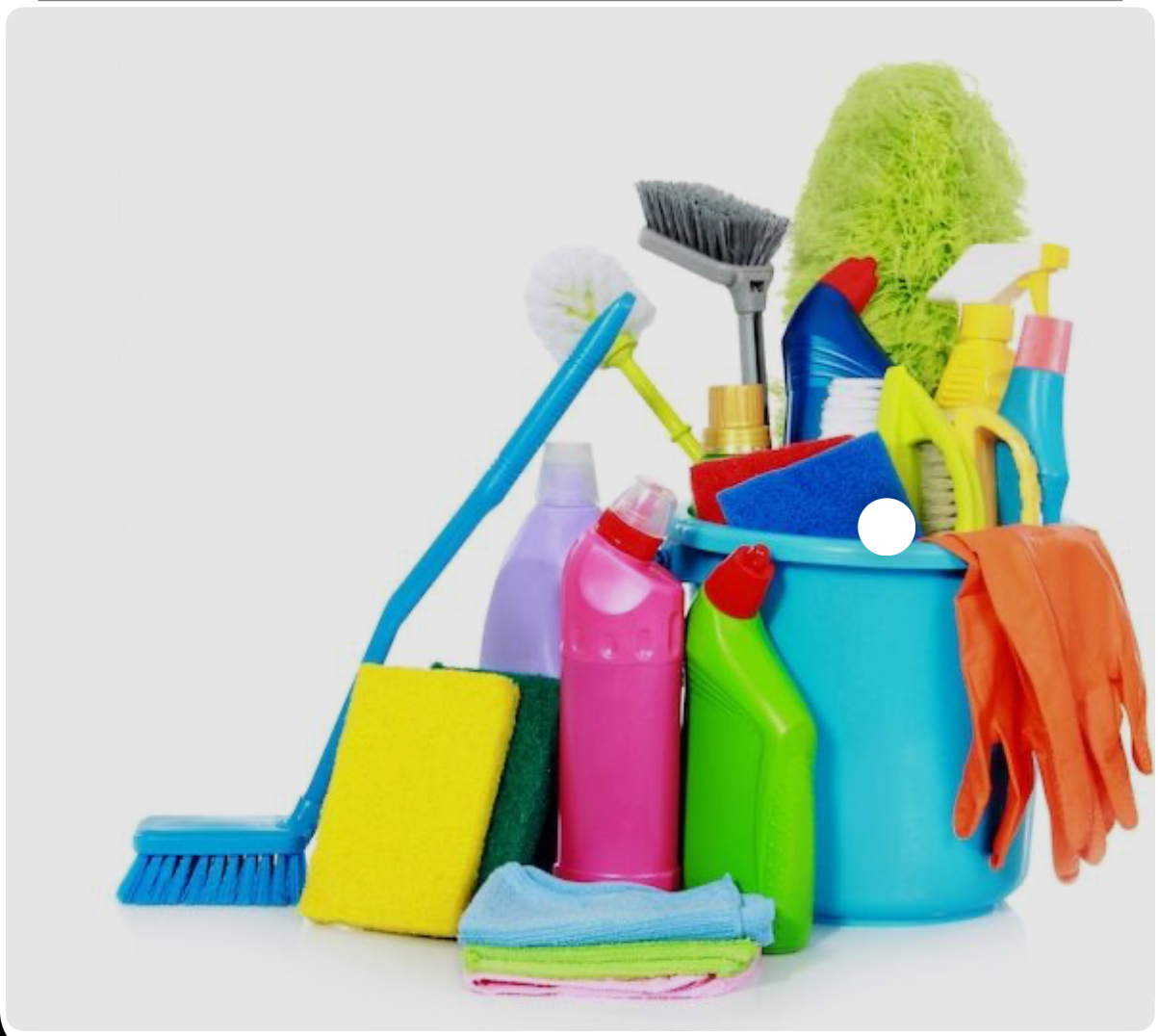
Teaching kids to clean is an important life skill that helps them develop responsibility, organization, and a sense of accomplishment. Here are some strategies to make the process effective and enjoyable for both you and your children:
1. Start Early
- Age-Appropriate Tasks: Begin teaching cleaning habits as soon as your child is able to follow simple instructions. Toddlers can help with basic tasks like putting toys away, while older kids can handle more complex chores like dusting or vacuuming.
- Build a Routine: Establish a regular cleaning routine early on. For example, make it a habit to clean up toys before bedtime or to tidy up after meals. Consistency helps children understand that cleaning is a normal part of daily life.
2. Make It Fun
- Turn Cleaning into a Game: Use games or challenges to make cleaning more engaging. For example, you can set a timer and challenge your child to see how much they can clean up before the timer goes off, or play a “cleaning scavenger hunt” where they find and put away specific items.
- Incorporate Music: Playing upbeat music can make cleaning more enjoyable. Let your kids pick their favorite songs and dance while they clean—it makes the task feel less like a chore.
3. Use Positive Reinforcement
- Praise and Encouragement: Always acknowledge your child’s effort, even if the cleaning isn’t perfect. Positive reinforcement, like saying “Great job putting away your toys!” or “You did such a good job cleaning your room,” will motivate them to keep helping.
- Reward System: Consider using a reward system, like a sticker chart, where kids earn rewards for completing cleaning tasks. Rewards don’t have to be material; they can be extra playtime or a special activity.
4. Teach by Example
- Model Good Habits: Children learn by observing their parents. Show them that you take cleaning seriously by keeping your own space tidy and involving them in your cleaning routine. For example, if you’re making your bed, ask them to help or to make their own bed at the same time.
- Work Together: Cleaning together as a family can make the process more enjoyable and less overwhelming. It also teaches teamwork and cooperation.
5. Break Down Tasks
- Step-by-Step Instructions: Break down larger tasks into smaller, manageable steps. For example, instead of telling your child to “clean the living room,” give specific instructions like “put the pillows on the couch, pick up the toys, and then vacuum the floor.”
- Focus on One Area at a Time: Encourage your child to clean one area or category of items at a time, such as putting away all the books before moving on to toys. This helps them stay focused and see progress more quickly.
6. Teach Responsibility
- Assign Chores: Give each child specific responsibilities that are appropriate for their age. This could be making their bed, setting the table, or cleaning up after meals. Having regular chores helps children understand that everyone contributes to keeping the home clean.
- Explain the Importance of Cleaning: Help your kids understand why cleaning is important. Explain how a clean space can keep everyone healthy, make it easier to find things, and create a more pleasant environment.
7. Be Patient and Flexible
- Allow for Mistakes: Understand that children are still learning and may not clean perfectly. Be patient and use mistakes as teaching moments, gently correcting them and showing the right way to do things.
- Adjust Expectations: Adjust your expectations based on your child’s age and ability. Focus on the effort rather than perfection, and gradually increase the difficulty of tasks as they improve.
8. Provide the Right Tools
- Kid-Sized Cleaning Supplies: Provide child-friendly cleaning tools, like small brooms, dustpans, and easy-to-use cleaning wipes. Having tools that fit their size makes cleaning easier and more accessible.
- Organized Storage: Teach your kids where things belong by creating designated storage areas for toys, books, and other items. Labeling bins or shelves can help younger children learn to put things in the right place.
9. Set Clear Expectations
- Create a Cleaning Chart: A visual cleaning chart can help children understand their responsibilities and keep track of their chores. You can include daily and weekly tasks and let them check off completed chores.
- Consistency is Key: Be consistent with your expectations and the cleaning routine. Over time, cleaning will become a habit, and your child will understand that it’s a regular part of their responsibilities.
10. Celebrate Accomplishments
- Recognize Their Hard Work: Celebrate your child’s cleaning achievements, whether it’s a clean room or consistently completing their chores. You can do this through praise, a small reward, or a special treat.
- Encourage Independence: As your child becomes more proficient at cleaning, encourage them to take on tasks independently. This builds confidence and reinforces the importance of personal responsibility.
By incorporating these strategies, you can help your children develop lifelong cleaning habits while also making the process enjoyable and rewarding.
