When tackling plumbing projects as a DIY enthusiast, safety is crucial to avoid accidents, damage, and potential hazards. Here are essential plumbing safety tips to keep in mind:
1. Turn Off the Water Supply
- Main Supply Shut-Off: Always turn off the main water supply before starting any plumbing work, especially if you’re dealing with pipes, fixtures, or appliances.
- Localized Shut-Off: For smaller jobs (e.g., faucet or toilet repairs), you may only need to turn off the localized water supply to that fixture.
2. Know the Location of Electrical Connections
- Turn Off Power: If your plumbing work is near electrical outlets or involves water heaters, garbage disposals, or other appliances, turn off the power supply to avoid electrical shocks.
- Check for Electrical Wires: Be cautious when drilling or cutting into walls, as hidden electrical wires can be dangerous.
3. Use Proper Tools and Equipment
- Wear Protective Gear: Use safety goggles, gloves, and knee pads to protect your eyes, hands, and joints while working with sharp tools or in tight spaces.
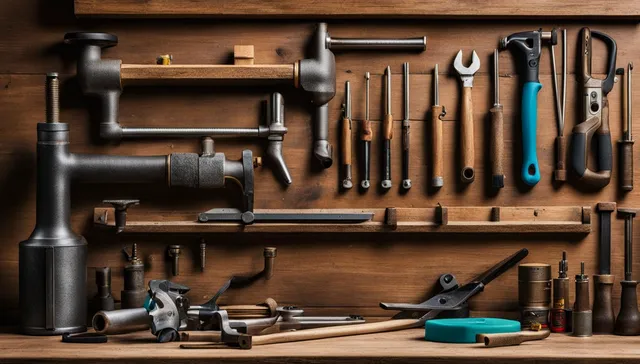
- Choose the Right Tools: Always use the correct plumbing tools for the job, such as pipe wrenches, pliers, or a pipe cutter. Using the wrong tools can lead to accidents or damage.
4. Watch for Gas Lines
- Turn Off the Gas: If you are working near gas lines, like when installing a new water heater or repairing gas pipes, make sure to turn off the gas supply to avoid leaks or explosions.
- Use a Gas Detector: After any gas-related work, use a gas leak detector or soapy water to check for potential leaks before turning the gas back on.
5. Avoid Over-Tightening Connections
- Use Caution: Tightening plumbing connections too much can damage the fittings or cause leaks. Hand-tighten most fittings and use tools only for final adjustments.
- Follow Manufacturer Guidelines: If you’re installing a fixture or appliance, always follow the manufacturer’s torque or tightening instructions.
6. Ensure Proper Ventilation
- Ventilate the Area: If you’re working with chemicals (e.g., drain cleaners or sealants) or in confined spaces, ensure the area is well-ventilated to avoid inhaling fumes.
- Be Aware of Mold and Mildew: If you’re dealing with a leak, mold and mildew may have formed. Wear a mask to avoid inhaling mold spores, which can cause health issues.
7. Be Prepared for Water Spills
- Use Buckets and Towels: Always have buckets, towels, or rags ready to catch water spills when disconnecting pipes or working on fixtures.
- Know Where Drains Are Located: Be mindful of how water will flow and ensure it has a clear path to a drain or collection point to avoid flooding.
8. Test for Water Pressure Before Finalizing
- Check for Leaks: After completing a plumbing task, gradually turn the water back on and check for leaks. Turn off the water immediately if you notice any issues.
- Pressure Test: If you’re working on new pipe installations, do a pressure test to ensure that all joints and connections are properly sealed.
9. Don’t Use Chemical Drain Cleaners
- Use Mechanical Solutions: Avoid using chemical drain cleaners, as they can damage your pipes and create harmful fumes. Opt for a plunger, drain snake, or auger to clear clogs safely.
- Safety Gear: If you must use chemicals, wear gloves, safety goggles, and protective clothing, and follow the instructions carefully.
10. Know When to Call a Professional
- Understand Your Limits: Some jobs, such as dealing with major water lines, sewage systems, or complex gas connections, may require a licensed plumber. Recognize when a task is beyond your skill level and seek professional help to avoid accidents or costly mistakes.
11. Protect Against Burns
- Water Heater Safety: If you’re working on a hot water system, be aware that water temperatures can be scalding. Let the water cool or turn off the water heater before making repairs.
- Use Caution with Blowtorches: If you’re soldering pipes, be extremely cautious with open flames, and ensure the area is clear of flammable materials.
12. Regularly Inspect for Safety Hazards
- Look for Corrosion or Wear: Regularly inspect plumbing fixtures and pipes for signs of corrosion, wear, or potential leaks before starting a project. Fixing minor issues can prevent bigger problems later.
- Check Valves and Fittings: Make sure valves are functioning properly and fittings are secure before you begin any work.
13. Handle Heavy Objects Safely
- Use Proper Lifting Techniques: When installing or moving heavy items like water heaters or sinks, use your legs to lift, not your back, and ask for assistance if necessary.
14. Have Emergency Contacts Handy
- Plumber Contact: Even if you’re confident in your DIY skills, have a plumber’s number on hand in case of emergencies like burst pipes or gas leaks.
- Emergency Shut-Off Knowledge: Know where your water shut-off valve and gas shut-off are located in case of emergencies.
By following these plumbing safety tips, you can take on DIY projects with greater confidence and ensure that you, your home, and your plumbing systems remain safe and functional.
