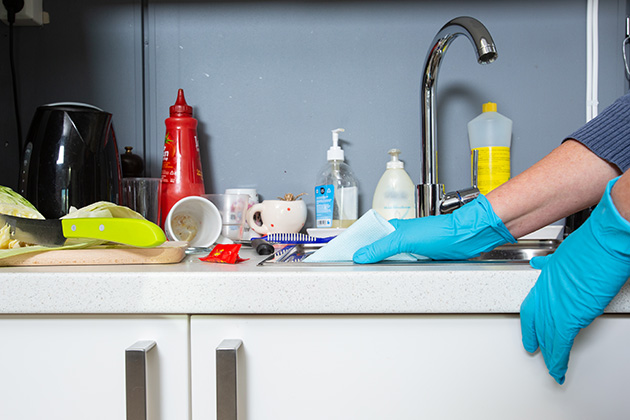
Maintaining proper kitchen hygiene is critical for ensuring food safety and preventing contamination. A clean, safe kitchen reduces the risk of foodborne illnesses and promotes a healthy environment for cooking. Here are essential kitchen hygiene tips to help you keep your kitchen clean and safe:
1. Keep Hands Clean
- Wash your hands: Always wash your hands with soap and warm water before handling food, especially after touching raw meat, poultry, seafood, or eggs.
- Dry your hands: Use a clean towel or disposable paper towel to dry your hands. Avoid using the same towel for multiple purposes, as this can spread bacteria.
2. Clean Surfaces Regularly
- Disinfect countertops and cutting boards: Wipe down all surfaces before and after food preparation with a disinfectant or hot soapy water.
- Separate cutting boards: Use different cutting boards for raw meat and poultry and another for vegetables or fruits to prevent cross-contamination.
- Use food-safe disinfectants: Opt for food-safe cleaners that effectively kill bacteria and viruses without leaving harmful residues.
3. Store Food Properly
- Refrigerate perishables: Keep perishable foods (meats, dairy, and cooked foods) in the fridge at or below 40°F (4°C) to prevent bacterial growth.
- Use airtight containers: Store leftovers and opened food packages in sealed, airtight containers to keep them fresh and prevent contamination.
- Label and date leftovers: Label and date food before storing to avoid using expired or spoiled items.
4. Handle Raw Meat Safely
- Keep raw meat separate: Store raw meat, poultry, and seafood separately from ready-to-eat foods in the fridge to avoid cross-contamination.
- Use separate utensils: Always use different knives, forks, and plates for raw meat and cooked food.
- Cook thoroughly: Ensure meat, poultry, and seafood are cooked to the correct internal temperatures to kill harmful bacteria.
5. Wash Produce Thoroughly
- Rinse fruits and vegetables: Before eating or cooking, rinse fresh produce under running water to remove dirt, pesticides, and bacteria. This is especially important for items eaten raw, like salads.
- Use a brush for firm produce: Use a clean brush to scrub firm vegetables like potatoes or cucumbers to remove dirt.
6. Keep Your Kitchen Tools Clean
- Wash knives, utensils, and cutting boards: Clean these immediately after use, especially if they’ve come into contact with raw meat. Use hot, soapy water or a dishwasher if possible.
- Disinfect sponges and cloths: Replace or disinfect kitchen sponges regularly. You can microwave a damp sponge for 1-2 minutes to kill bacteria, or use disposable paper towels for wiping up raw meat juices.
- Wash dishcloths and towels regularly: Launder dish towels and cloths frequently in hot water, and avoid using them to wipe up raw meat juices.
7. Maintain Fridge and Freezer Hygiene
- Clean your fridge regularly: Wipe down shelves and drawers with a mild detergent or a mixture of vinegar and water every few weeks. Check for expired food and throw it out.
- Avoid overcrowding: Don’t overstuff the fridge, as this can block air circulation and cause uneven cooling, leading to spoilage.
- Defrost freezer: Defrost your freezer periodically to prevent ice buildup and ensure it operates efficiently.
8. Cook at Safe Temperatures
- Use a food thermometer: Always use a thermometer to check the internal temperature of meats and cooked dishes. Safe minimum cooking temperatures include:
- Poultry (chicken, turkey): 165°F (74°C)
- Ground meats (beef, pork, lamb): 160°F (71°C)
- Whole cuts of beef, pork, lamb, and veal: 145°F (63°C), followed by a 3-minute rest.
- Reheat leftovers: Reheat leftovers to at least 165°F (74°C) to ensure they are safe to eat.
9. Manage Garbage Efficiently
- Empty trash bins regularly: Do not let trash pile up in the kitchen. Take out the garbage frequently to prevent odors and pests.
- Use sealed trash bins: Make sure your garbage bin has a lid to prevent pests and bacteria from spreading.
- Disinfect trash cans: Regularly wash and disinfect your trash bins to avoid the growth of bacteria and mold.
10. Avoid Cross-Contamination
- Use different utensils for raw and cooked foods: Always have separate utensils, cutting boards, and plates for raw and cooked food to avoid cross-contamination.
- Don’t reuse marinades: If you’ve marinated raw meat, do not reuse the marinade unless you boil it thoroughly.
11. Keep Floors Clean
- Sweep and mop regularly: Sweep up crumbs and debris from the floor daily and mop with disinfectant at least once a week.
- Clean up spills immediately: Mop up spills as soon as they happen to avoid slips and prevent bacterial growth on the floor.
12. Ventilate the Kitchen
- Use an exhaust fan: Ventilate your kitchen well when cooking, especially when frying or using strong-smelling ingredients. Proper ventilation helps reduce moisture and prevents mold and mildew growth.
- Open windows or use fans: To improve airflow and reduce humidity in your kitchen, which helps in keeping surfaces dry and free from bacteria or mold buildup.
13. Pest Control
- Keep the kitchen dry: Pests like ants, cockroaches, and rodents are attracted to food and water. Clean up food spills promptly and fix leaks to avoid attracting them.
- Seal food properly: Store food in sealed containers to prevent pests from accessing it. Keep dry goods in airtight containers.
- Inspect regularly: Check cabinets, under sinks, and behind appliances for signs of pests, and take preventative measures.
14. Maintain Appliance Hygiene
- Clean the stovetop and oven regularly: Wipe down your stove and oven after cooking, especially after handling greasy foods, to prevent buildup.
- Wipe down appliances: Clean your microwave, blender, and other kitchen appliances regularly to avoid the buildup of food debris.
- Descale the kettle and coffee machine: Periodically descale appliances that deal with water to avoid bacteria growth and improve their efficiency.
15. Wash Dishes Promptly
- Don’t let dirty dishes sit: Wash dishes as soon as possible after use to prevent the growth of bacteria. If you use a dishwasher, make sure it is loaded and run regularly.
- Sanitize sponges and dishcloths: Clean your cleaning tools! Replace sponges regularly, and wash dishcloths daily.
16. Use Safe Food Handling Practices
- Thaw food properly: Thaw frozen food in the fridge, not on the counter, to prevent bacteria from growing. You can also thaw food in the microwave if you plan to cook it immediately.
- Cool leftovers quickly: Store cooked food in shallow containers and refrigerate it promptly to prevent bacterial growth.
By following these essential kitchen hygiene tips, you can create a cleaner, safer environment for food preparation and avoid the risks of contamination or illness.
