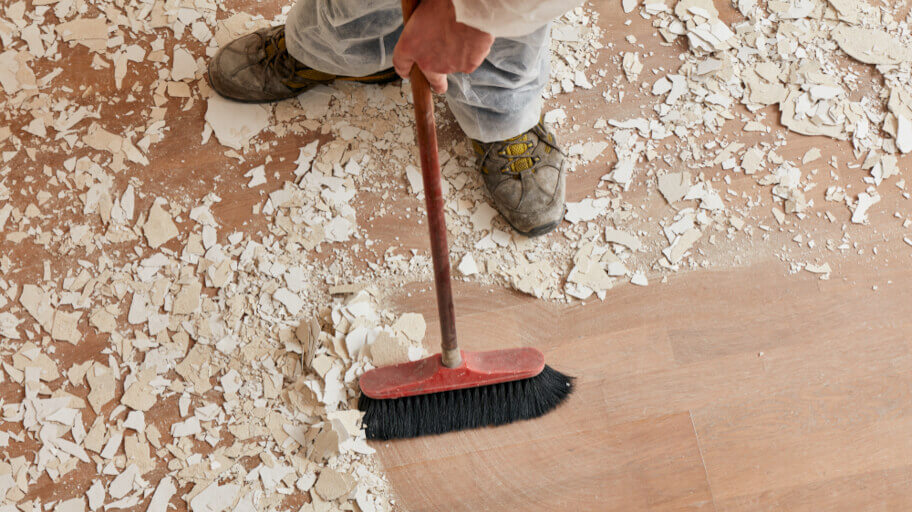
Renovation projects often leave behind a layer of dust and debris that requires thorough cleaning. Here are some effective tips for tackling post-renovation cleanup:
1. Ventilate the Space
- Open windows and doors to allow dust to escape and fresh air to circulate. This also helps speed up the drying process if you’re cleaning with water.
2. Gather the Right Tools
- Use HEPA-filter vacuums for vacuuming fine dust, as regular vacuums may recirculate particles into the air.
- Microfiber cloths and mops are excellent for capturing dust rather than pushing it around.
- A soft-bristle brush or dusting wand is ideal for hard-to-reach areas.
- For tough dirt or adhesive remnants, have scrapers or goo-removal sprays on hand.
3. Start from the Top Down
- Begin with ceilings, light fixtures, and wall tops, then move to furniture, countertops, and floors.
- Clean vents, fans, and light fixtures first, as dust will fall onto lower surfaces as you clean.
4. Vacuum and Dust Walls
- Use a soft brush attachment on your vacuum or a dry microfiber mop to remove dust from walls.
- Be gentle, especially if walls have fresh paint, as they may be delicate.
5. Clean Windows and Window Frames
- Dust off window sills and frames with a microfiber cloth, then vacuum the tracks.
- Clean windows with a glass cleaner or a mix of vinegar and water to remove dust and fingerprints.
6. Wipe Down Surfaces and Furniture
- Use damp microfiber cloths to wipe down countertops, shelves, and other surfaces to trap dust effectively.
- For wood surfaces, consider using a wood-safe cleaner.
7. Clean the Floors Thoroughly
- Vacuum floors first to pick up dust and small debris, focusing on corners and edges.
- After vacuuming, mop the floors using a damp mop for hardwood or tile surfaces. Be sure to rinse and wring frequently to avoid spreading dust around.
8. Wash Fabrics and Linens
- Dust can settle into soft items like curtains, rugs, and upholstery. Launder or vacuum these items to remove embedded dust.
9. Change Air Filters
- Renovation dust can clog up HVAC filters, so it’s a good idea to replace them after cleaning. This prevents dust from recirculating through the system.
10. Consider a Professional Cleaning
- If the dust is excessive or includes hazardous materials like lead paint dust, a professional cleaning service can ensure safety and thoroughness.
Additional Tips:
- Dampen Dust: Lightly mist dust with water before wiping it off surfaces to prevent it from becoming airborne.
- Use Proper Protective Gear: Wear masks and gloves to avoid inhaling dust or irritating skin.
Following these steps can help make post-renovation cleanup faster, safer, and more effective.
