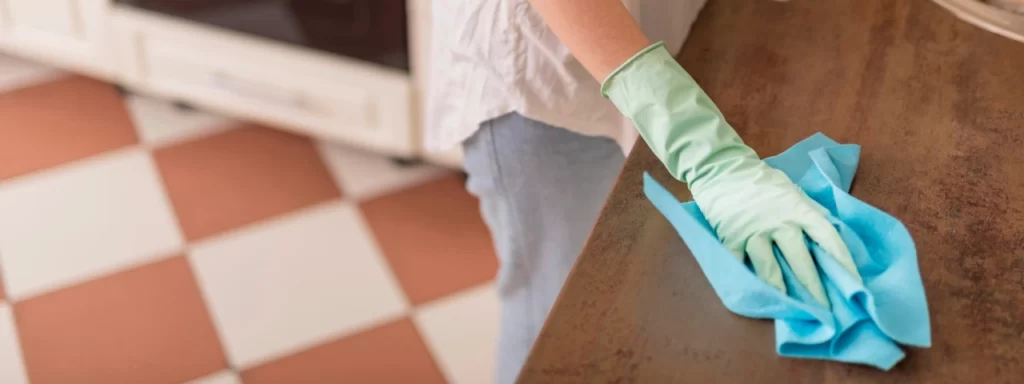
Cleaning procedures are crucial for several reasons, ranging from health and safety to efficiency and consistency. Here’s why they are important:
1. Health and Safety
- Preventing Illness: Proper cleaning procedures help eliminate germs, bacteria, and viruses from surfaces, reducing the risk of illness and infections. This is especially important in environments like hospitals, schools, and food preparation areas.
- Allergen Control: Regular cleaning helps remove allergens such as dust, pollen, and pet dander, improving air quality and reducing allergy symptoms.
- Hazard Prevention: Cleaning procedures often include removing spills, clutter, and debris that could cause accidents, such as slips, trips, and falls.
2. Consistency and Quality
- Standardization: Established cleaning procedures ensure that all tasks are performed consistently, regardless of who is doing the cleaning. This leads to a uniformly clean environment every time.
- Quality Control: Procedures help maintain a high standard of cleanliness, ensuring that nothing is overlooked or done inadequately.
3. Efficiency
- Streamlined Process: Well-defined cleaning procedures outline the most efficient order and methods for completing tasks, saving time and effort.
- Resource Management: Procedures help in using cleaning supplies and equipment effectively, reducing waste and ensuring that resources are used where they are most needed.
4. Compliance with Regulations
- Meeting Standards: Many industries, such as healthcare, food service, and hospitality, have strict regulations for cleanliness. Adhering to cleaning procedures ensures compliance with local, national, or industry-specific standards.
- Avoiding Penalties: Proper procedures help avoid legal issues and penalties that can arise from failing to meet cleanliness standards.
5. Professionalism and Reputation
- Building Trust: For cleaning businesses, following established procedures reflects professionalism and reliability, building trust with clients.
- Positive Perception: A consistently clean environment creates a positive impression, whether it’s in a business, hotel, or home, contributing to a good reputation.
6. Preventing Damage
- Protecting Surfaces: Correct cleaning procedures prevent damage to surfaces and materials by using the appropriate products and methods. For example, using the wrong cleaner on a delicate surface can cause discoloration or deterioration.
- Longevity of Equipment: Regular and proper cleaning of tools and equipment ensures they remain in good working condition, extending their lifespan.
7. Environmental Impact
- Sustainable Practices: Cleaning procedures can incorporate environmentally friendly practices, such as using eco-friendly products and reducing water waste, minimizing the environmental impact of cleaning activities.
- Proper Disposal: Procedures include guidelines for the safe disposal of hazardous materials, preventing pollution and harm to the environment.
8. Employee Training and Safety
- Clear Guidelines: Cleaning procedures serve as a training tool, providing clear guidelines for employees on how to perform their tasks correctly and safely.
- Minimizing Risk: By following procedures, employees are less likely to use chemicals incorrectly or operate equipment unsafely, reducing the risk of accidents and injuries.
9. Customer Satisfaction
- Meeting Expectations: In commercial settings, consistently following cleaning procedures helps meet or exceed customer expectations, leading to higher satisfaction and repeat business.
- Addressing Complaints: Procedures provide a framework for addressing and resolving cleaning-related complaints effectively.
Summary
Cleaning procedures are vital for maintaining health and safety, ensuring consistency and quality, increasing efficiency, complying with regulations, and protecting both the environment and surfaces. They also play a key role in professional reputation, employee safety, and customer satisfaction, making them essential for both residential and commercial cleaning operations.
