Category: Maintenance Service

Category: Maintenance Service

Steps to choose, right office cleaning materials dealer

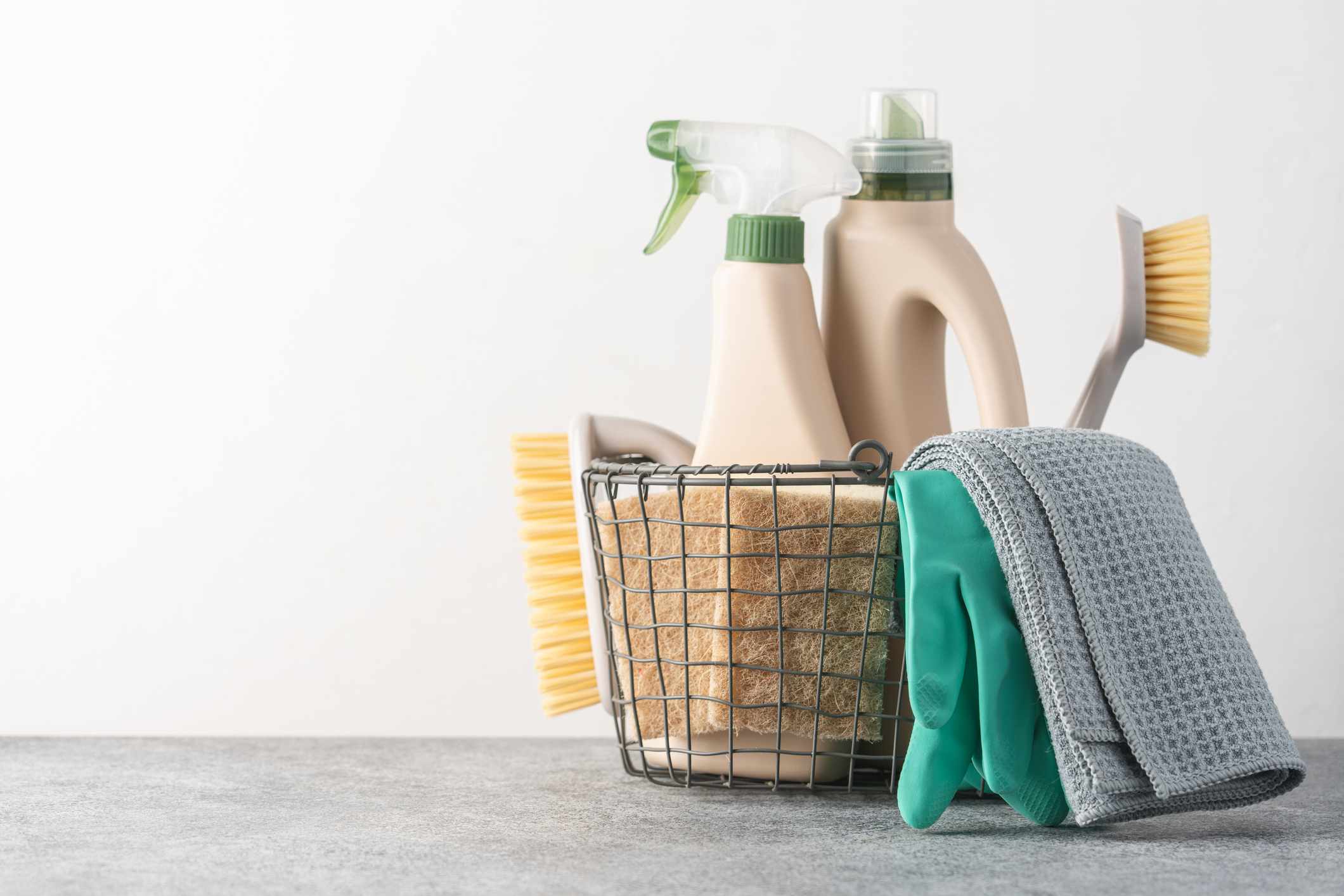
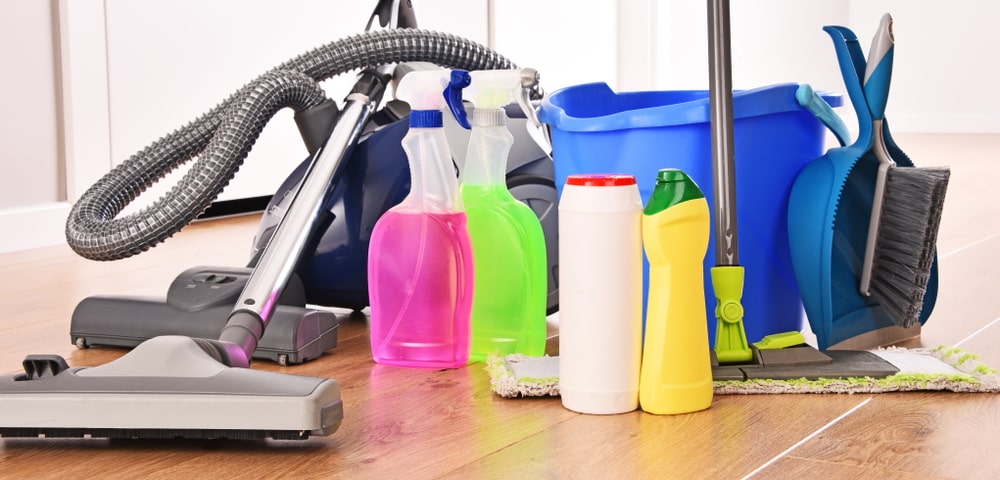
Choosing the right office cleaning materials dealer ensures you get high-quality supplies, competitive pricing, and reliable service. Here’s a step-by-step guide to help you make the best choice:

1. Assess Your Cleaning Needs

Identify the types of cleaning supplies required (e.g., disinfectants, floor cleaners, paper towels, trash bags).
Consider special needs like eco-friendly, hypoallergenic, or industrial-strength products.
Estimate the quantity based on office size and cleaning frequency.

2. Research Potential Dealers

Look for local and online suppliers with good reputations.
Check customer reviews and ratings on platforms like Google, Yelp, or BBB.
Ask other businesses or cleaning professionals for recommendations.

3. Compare Product Quality & Selection

Ensure they stock trusted brands and meet industry standards.
Check for product certifications (e.g., EPA-approved disinfectants, Green Seal for eco-friendly products).
Request samples or test products before making bulk purchases.

4. Evaluate Pricing & Bulk Discounts

Compare prices across multiple dealers to find the best value.
Ask about bulk discounts and long-term contract pricing.
Check for hidden fees (e.g., delivery charges, restocking fees).

5. Check Delivery & Availability

Confirm shipping times and order minimums for delivery.
Ensure they can consistently supply what you need to avoid shortages.
Ask if they offer emergency or same-day delivery options.

6. Review Customer Service & Support

Test their responsiveness by reaching out with questions.
Check if they offer returns, exchanges, or refunds on defective products.
Look for dedicated account managers or support teams for business customers.

7. Verify Compliance & Safety Standards

Make sure their cleaning products comply with OSHA regulations and health safety standards.
If you need disinfectants, check if they are EPA-approved for killing bacteria and viruses.
Review Material Safety Data Sheets (MSDS) for hazardous chemicals.

8. Ask About Sustainability Options

If sustainability is a priority, check if they offer biodegradable, non-toxic, or refillable products.
Look for eco-friendly certifications like LEED-compliant supplies.

9. Request a Trial Order or Contract Terms

If committing to a long-term supplier, ask for a sample order first.
Read the contract carefully, including terms for cancellations or price changes.

10. Choose a Reliable Partner

Select a dealer that offers quality, affordability, and reliable service.
Maintain good communication to ensure smooth orders and deliveries.

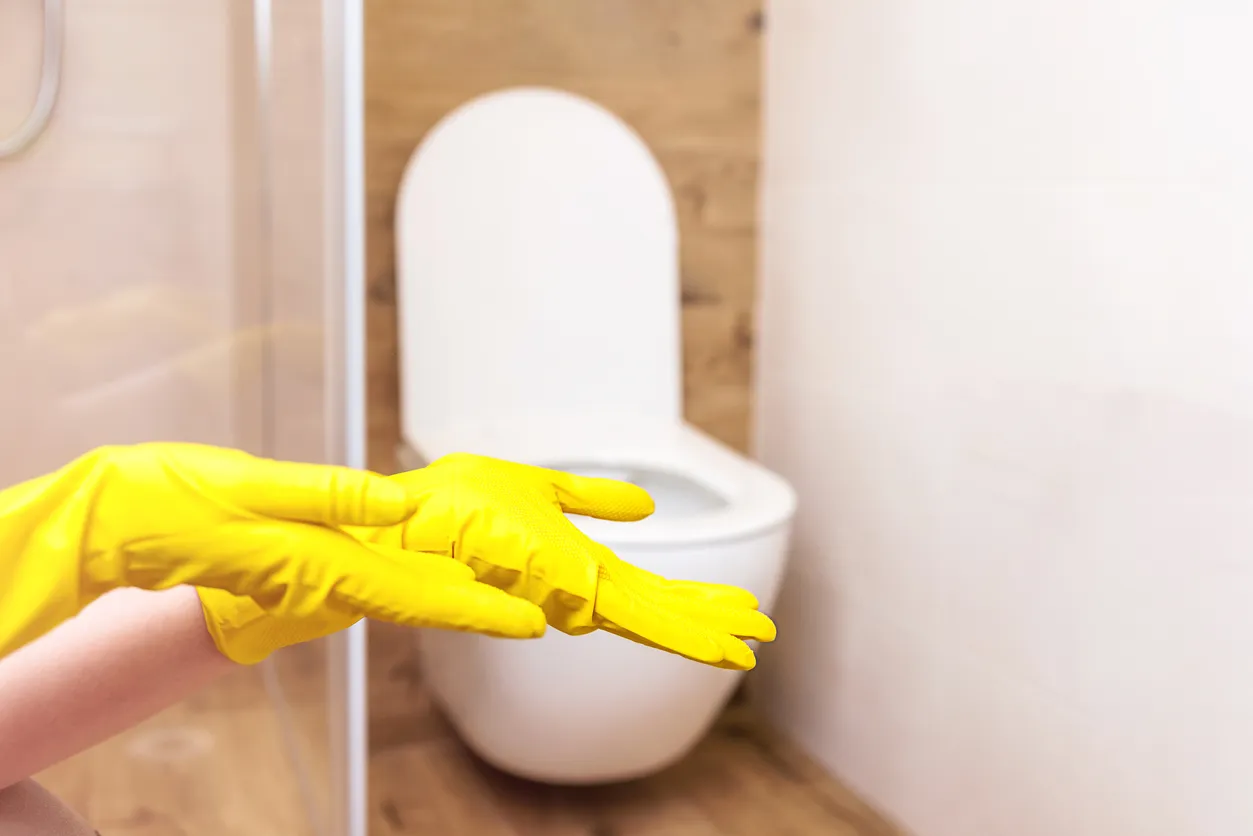
Risks of commercial toilet bowl cleaner, DIY cleaning solution

Both commercial toilet bowl cleaners and DIY cleaning solutions have risks, but understanding them helps you make safer choices.

Risks of Commercial Toilet Bowl Cleaners

  1. Harsh Chemicals – Many contain bleach, hydrochloric acid, or ammonia, which can cause respiratory irritation, skin burns, and eye damage.
  2. Toxic Fumes – Mixing with other cleaners (like vinegar or ammonia) can produce dangerous gases, such as chlorine gas.
  3. Environmental Impact – Many contain phosphates and other chemicals that harm waterways and aquatic life.
  4. Accidental Ingestion – Dangerous for kids and pets if swallowed.
  5. Corrosive Effects – Overuse may damage toilet seals and pipes over time.

Risks of DIY Toilet Bowl Cleaners

  1. Less Disinfecting Power – Natural cleaners like vinegar and baking soda don’t kill all bacteria and viruses, unlike commercial disinfectants.
  2. Ineffective Mixes – Some DIY recipes (like vinegar and baking soda together) neutralize each other and lose cleaning power.
  3. Reaction Risks – Mixing hydrogen peroxide with vinegar creates peracetic acid, which can irritate skin and lungs.

Safer Cleaning Alternatives

For a natural yet effective toilet cleaner:

  • Pour ½ cup of baking soda into the bowl, followed by 1 cup of vinegar. Let it sit for 10–15 minutes before scrubbing.
  • Use hydrogen peroxide (3%) for better disinfecting power.
  • Add a few drops of tea tree oil for extra antimicrobial benefits.

Tips on how to Spring clean kitchens

Spring cleaning your kitchen goes beyond the usual wipe-down—it’s about deep cleaning and organizing every corner. Here’s a step-by-step guide to make your kitchen sparkle:

1. Declutter First

  • Empty cabinets and drawers, then sort through items.
  • Toss expired food, old spices, and broken utensils.
  • Donate or repurpose things you don’t use.

2. Deep Clean Appliances

  • Refrigerator: Remove all items, wipe down shelves with a mix of warm water and baking soda, and vacuum the coils behind it.
  • Oven & Stovetop: Use a baking soda paste to remove grease and burnt-on food. Don’t forget to clean the knobs and vent hood!
  • Microwave: Steam-clean by heating a bowl of water with lemon juice for 5 minutes, then wipe down.
  • Dishwasher: Run a cycle with white vinegar to remove buildup, and clean the filter.
  • Coffee Maker & Toaster: Run vinegar through the coffee maker, and shake out crumbs from the toaster.

3. Tackle Cabinets & Drawers

  • Wipe down doors and handles with warm, soapy water.
  • Use a vacuum or damp cloth to remove crumbs inside drawers.
  • Line shelves with fresh liners.

4. Scrub the Sink & Garbage Disposal

  • Sprinkle baking soda in the sink and scrub with a lemon half.
  • Run ice cubes, baking soda, and lemon peels through the garbage disposal to freshen it.

5. Clean Countertops & Backsplash

  • Use a gentle cleaner for stone countertops.
  • Scrub grout lines on the backsplash with baking soda and a toothbrush.

6. Refresh Small Appliances & Utensils

  • Sanitize cutting boards with vinegar and baking soda.
  • Sharpen knives and oil wooden utensils.

7. Wash & Replace Kitchen Linens

  • Wash dish towels, oven mitts, and aprons in hot water.
  • Replace old sponges and dish scrubbers.

8. Sweep, Mop & Degrease Floors

  • Use a degreasing cleaner for sticky areas near the stove.
  • Mop with warm water and vinegar for a deep clean.

9. Take Out the Trash & Clean Bins

  • Wash trash cans with disinfectant and let them dry completely.
  • Sprinkle baking soda in the bin to neutralize odors.

10. Organize & Restock

  • Use bins and dividers to organize cabinets and drawers.
  • Label pantry items for easy access.
  • Restock essentials like fresh sponges, dish soap, and food storage containers.

Recogning vital roles of Actionstylescleaners

Recognizing the Vital Role of ActionStyles Cleaners

At ActionStyles Cleaners, we go beyond cleaning—we create healthier, more inviting spaces. Our team is committed to excellence, reliability, and customer satisfaction, ensuring every space we touch is refreshed and well-maintained.

Our Vital Roles in Cleaning & Maintenance:

Enhancing Hygiene & Health – Eliminating dust, bacteria, and allergens for a cleaner, safer environment.
Restoring Beauty & Freshness – From sparkling floors to spotless driveways, we bring out the best in every space.
Preserving Property Value – Regular maintenance extends the life of surfaces, carpets, and fixtures.
Boosting Productivity & Comfort – Clean spaces create a positive atmosphere at home and work.
Reliable & Professional Service – Dedicated to delivering top-tier cleaning solutions tailored to your needs.

At ActionStyles Cleaners, we don’t just clean—we transform spaces!
📞 Contact us today and experience the difference!

Say no to dirt get your driveway looking clean

Keeping your driveway clean enhances your home’s curb appeal and prevents damage over time. Here’s how to say no to dirt and get your driveway looking spotless:

1. Sweep Away Loose Dirt & Debris

  • Use a stiff-bristle broom or a leaf blower to remove leaves, dust, and dirt buildup.
  • Do this weekly to prevent dirt from settling.

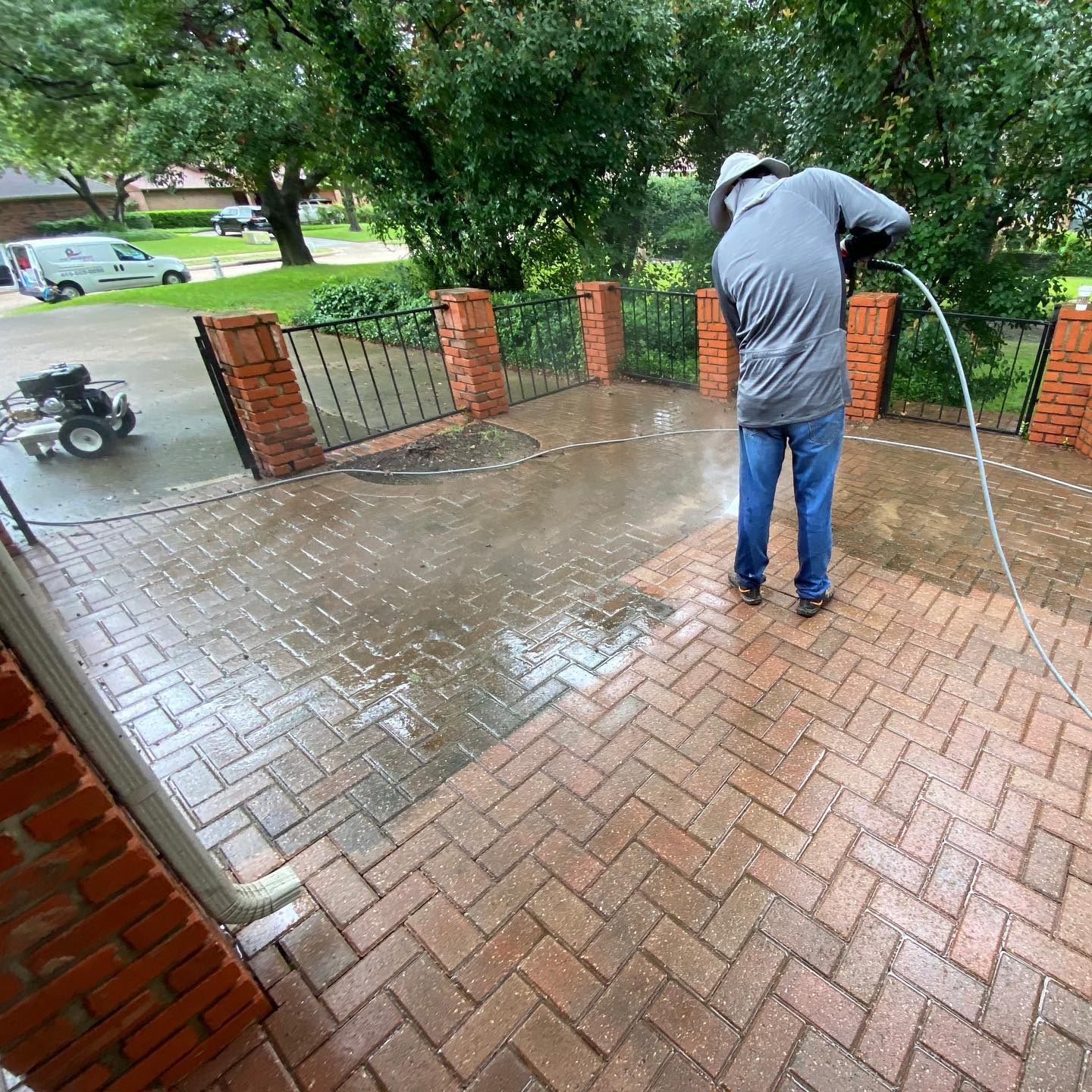
2. Use a Pressure Washer for Deep Cleaning

  • A pressure washer (3000+ PSI) can blast away dirt, oil stains, and mildew.
  • Use a detergent made for driveways to break down grease and grime.
  • Rinse thoroughly to avoid residue buildup.

3. Remove Stubborn Stains

Oil & Grease Stains

  • Sprinkle baking soda or cat litter over the stain, let it sit for an hour, then scrub with a stiff brush.
  • For deep stains, apply dish soap + warm water, scrub, and rinse.

Moss & Algae Growth

  • Mix white vinegar & water (1:1) in a spray bottle and apply to the affected area.
  • Let it sit for 30 minutes, then scrub and rinse.

Rust & Tire Marks

  • Apply hydrogen peroxide or a rust remover, let it sit, and scrub with a brush.

4. Prevent Future Buildup

  • Seal your driveway every 2-3 years to protect against stains and weather damage.
  • Trim nearby trees and bushes to reduce leaf and dirt accumulation.
  • Regularly sweep and rinse to keep it looking fresh.

Tips on how to clean gently but yet powerful

Cleaning effectively without being too harsh on surfaces requires the right techniques and tools. Here are some gentle yet powerful cleaning tips:

1. Use Natural, Non-Abrasive Cleaners

  • White Vinegar & Water – Great for cutting through soap scum and limescale. Mix equal parts in a spray bottle.
  • Baking Soda Paste – Gently scrubs without scratching surfaces. Use with a damp sponge for tough stains.
  • Castile Soap – A mild, plant-based cleaner that works on most surfaces.

2. Choose Soft But Effective Cleaning Tools

  • Microfiber Cloths – Trap dust and dirt without scratching.
  • Soft-Bristle Brushes – Ideal for grout and textured surfaces.
  • Melamine Sponges (Magic Erasers) – Lift stains gently with just water.

3. Steam Cleaning for Deep Cleaning

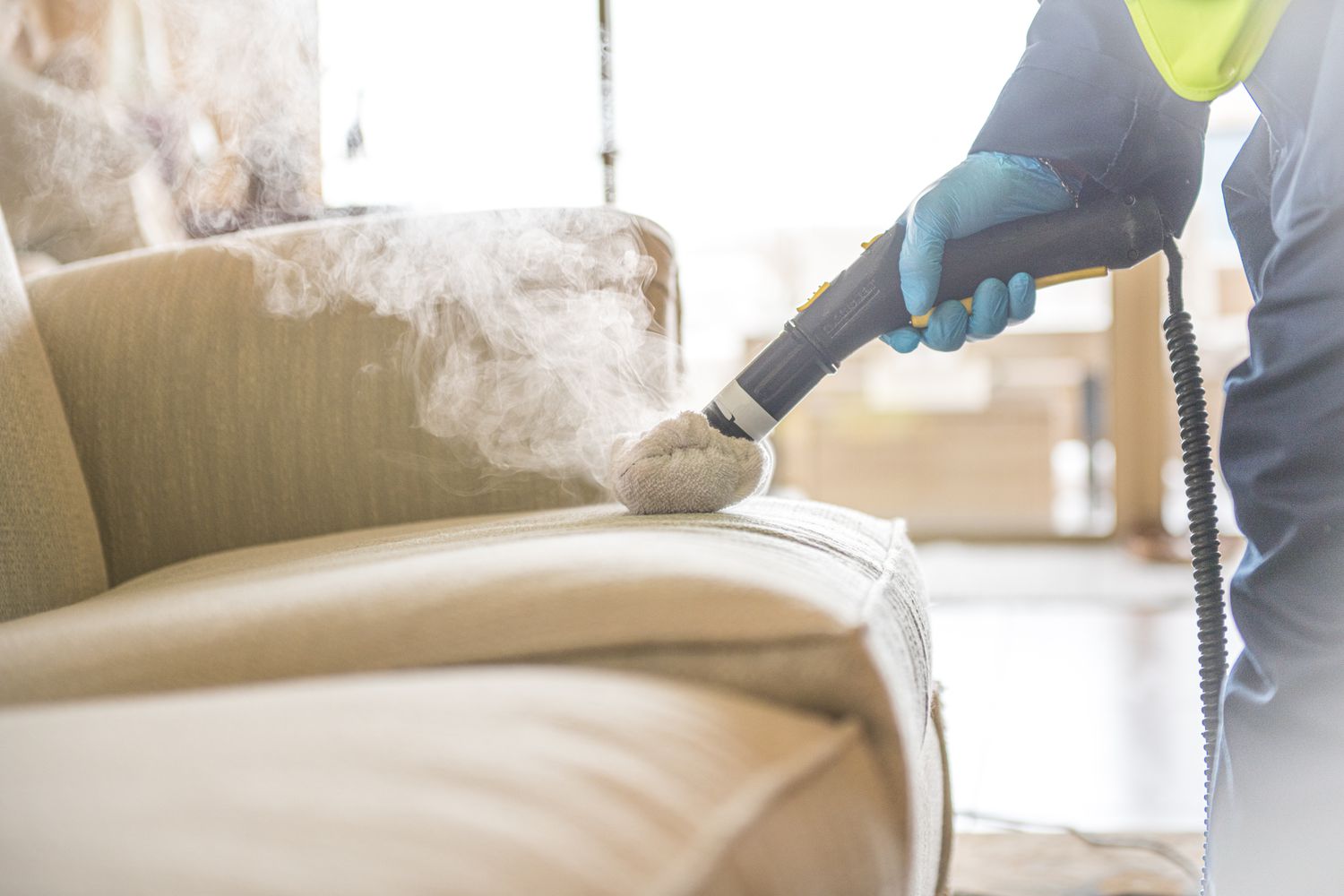
  • A steam cleaner loosens dirt and kills bacteria without harsh chemicals, making it perfect for tiles, grout, and glass.

4. Use Gentle Scrubbing Techniques

  • Apply light circular motions to prevent surface damage.
  • Let cleaning solutions sit for a few minutes before scrubbing for less effort.

5. Disinfect Without Harsh Chemicals

  • Hydrogen peroxide (3%) kills bacteria and brightens surfaces without bleach.
  • Tea tree oil added to water is a natural antimicrobial cleaner.

6. Protect Surfaces After Cleaning

  • Apply a vinegar rinse to prevent water stains.
  • Use beeswax or olive oil on wooden surfaces to keep them polished.
  • Would you like product recommendations or DIY cleaner recipes?

Windows will be streak-free when using 1 natural item, not vinegar

If you want streak-free windows without using vinegar, try cornstarch!

Why Cornstarch?

Gently scrubs away dirt & grease
Prevents streaks by reducing surface tension
Leaves glass sparkling & crystal clear

How to Use Cornstarch for Streak-Free Windows:

  1. Mix the Solution:
    • 2 cups warm water
    • 1 tablespoon cornstarch
    • 1 tablespoon rubbing alcohol (optional for faster drying)
    • Shake well in a spray bottle.
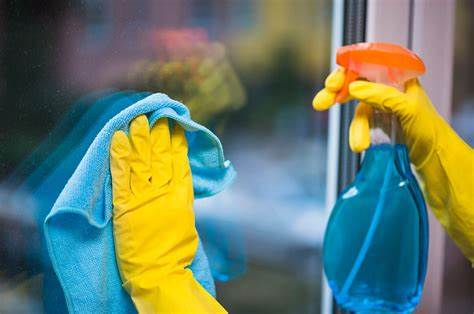
  2. Spray & Wipe:
    • Lightly spray on windows or mirrors.
    • Wipe with a microfiber cloth or newspaper in circular motions.
    • Buff dry with a clean cloth for a streak-free finish.

This quick and natural hack removes smudges, grime, and fingerprints—leaving windows sparkling in under 30 seconds! ✨🪟

Tips on how to Stop using carpet cleaners to remove any stains when 1 natural item works

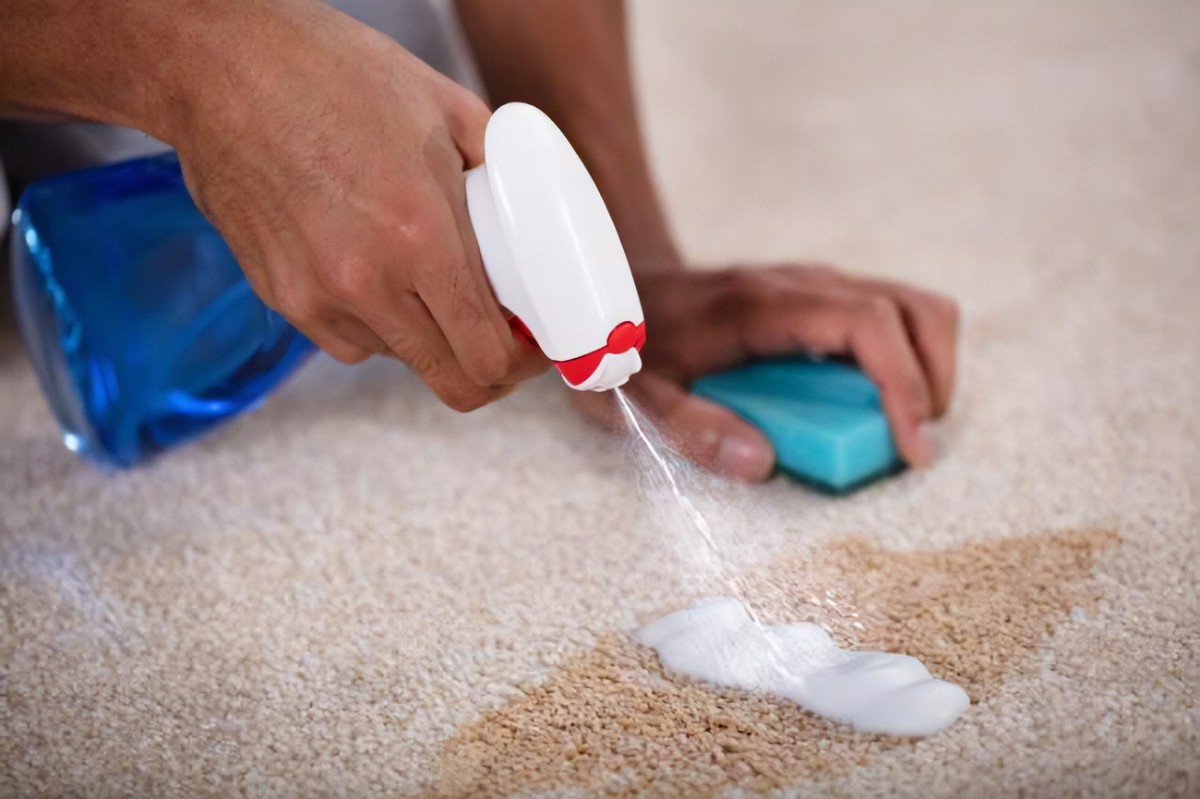
You don’t need commercial carpet cleaners to remove stains—baking soda is a powerful natural alternative that works on most carpet stains!

Why Use Baking Soda?

Absorbs liquids to lift stains easily
Neutralizes odors
Non-toxic & safe for pets and kids

How to Use Baking Soda for Carpet Stains:

  1. For Fresh Stains:
    • Sprinkle baking soda generously over the stain.
    • Let it sit for 10–15 minutes to absorb moisture.
    • Vacuum up the powder.
  2. For Tough Stains (Like Coffee, Wine, or Pet Stains):
    • Sprinkle baking soda over the stain.
    • Spray white vinegar over it (it will fizz to break down the stain).
    • Let it sit for 5–10 minutes, then blot with a clean cloth.
    • Vacuum once dry.

This natural method works better than chemical cleaners, leaving your carpets clean and fresh without residue!

Do Cleaning Supplies Damage Your Septic System? Plumbers Say You Should Skip These Five

Yes, some cleaning products can harm your septic system by killing beneficial bacteria, clogging pipes, or damaging the tank. Here are five types of products plumbers recommend avoiding:

  1. Antibacterial and Disinfectant Cleaners – These contain harsh chemicals like bleach or ammonia that kill the good bacteria necessary for breaking down waste in your septic system.
  2. Chlorine Bleach – While occasional use in small amounts is fine, frequent or excessive use can disrupt the bacterial balance in your septic tank, leading to inefficiencies and potential backups.
  3. Drain Cleaners – Highly corrosive, chemical-based drain cleaners can damage pipes and kill essential microbes in your septic tank. Instead, use a drain snake or enzyme-based cleaner.
  4. Oil-Based or Antibacterial Soaps – Some liquid soaps contain antibacterial agents that hinder bacterial activity in your septic system, while oil-based soaps can contribute to clogs.
  5. Multipurpose Cleaners with Ammonia – Ammonia is toxic to septic bacteria and can cause long-term issues if used frequently. Opt for septic-safe, biodegradable alternatives.

Safe Alternatives

Instead of these harmful products, use vinegar, baking soda, borax, or enzyme-based cleaners to maintain a clean home without harming your septic system.

Steps to Take, Should You Still Choose to Steam Clean

If you still decide to steam clean your mattress, taking the right precautions can help minimize damage and prevent mold growth. Here’s what you should do:

  1. Use Low Heat & Low Moisture Settings

High heat and excessive moisture can damage the mattress materials. Use the lowest effective setting to avoid oversaturating the fabric.

  1. Steam in Small Sections

Work in small areas and keep the steam cleaner moving to prevent over-wetting any single spot.

  1. Allow Maximum Drying Time

Ventilation is key – Place the mattress in a well-ventilated area, turn on fans, and open windows.

If possible, prop the mattress up to allow air to circulate around it.

Give it at least 24-48 hours to dry completely before putting bedding back on.

  1. Avoid Memory Foam & Hybrid Mattresses

Memory foam and hybrid mattresses (which contain coils and foam) are particularly vulnerable to moisture retention and damage. If you have one of these, steam cleaning is not recommended.

  1. Pre-Vacuum & Post-Vacuum

Before steaming, vacuum thoroughly to remove dust and debris.

Once dry, vacuum again to pick up any loosened dirt or allergens.

  1. Spot Test First

Before steaming the entire mattress, test a small, hidden area to ensure it doesn’t cause discoloration or material breakdown.