Category: Aircraft Maintainance

Category: Aircraft Maintainance

Aircraft Maintenance: Ensuring Hygiene & Safety

Aircraft cleaning is a crucial part of maintenance, ensuring passenger safety, comfort, and regulatory compliance. It involves both interior and exterior cleaning using specialized techniques and equipment.

Types of Aircraft Cleaning

  1. Interior Cleaning (Cabin, Cockpit & Cargo Hold)

✅ Basic Cleaning (Turnaround Cleaning) – Quick cleaning between flights, including trash removal, vacuuming, and surface disinfection.
✅ Deep Cleaning – Intensive cleaning of seats, tray tables, windows, lavatories, and galleys.
✅ Disinfection & Sanitization – Uses approved disinfectants to eliminate germs, especially after international or medical flights.
✅ Carpet & Upholstery Cleaning – Shampooing or steam cleaning of carpets and fabric seats.
✅ Leather & Vinyl Treatment – Conditioning and cleaning to maintain seat quality.

  1. Exterior Cleaning (Fuselage, Wings & Engine Areas)

✅ Dry Washing – Eco-friendly cleaning using specialized chemicals to remove dirt without water.
✅ Wet Washing – Uses water and detergents to remove heavy grime and stains.
✅ Degreasing – Cleans oil, grease, and hydraulic fluid buildup from engines and undercarriages.
✅ Brightwork Polishing – Polishing of metal surfaces like engine inlets and leading edges.
✅ De-Icing & Anti-Icing – Essential in cold weather to remove and prevent ice buildup.

Specialized Aircraft Cleaning Services

✔ Lavatory & Waste Tank Cleaning – Ensuring proper hygiene and waste disposal.
✔ HEPA Filter Cleaning & Replacement – Improves air quality by removing airborne particles.
✔ Cockpit Cleaning – Special care for delicate avionics and instrumentation.
✔ Pest Control & Fumigation – Preventing insect or rodent infestations.

Why Professional Aircraft Cleaning Matters?

✈ Enhances Passenger Experience – A clean cabin boosts comfort and satisfaction.
✈ Ensures Health & Safety – Reduces the risk of disease transmission.
✈ Improves Fuel Efficiency – A clean aircraft reduces drag and improves aerodynamics.
✈ Meets Aviation Regulations – Complies with FAA, EASA, and IATA cleanliness standards.
✈ Extends Aircraft Lifespan – Prevents corrosion, dirt buildup, and wear.

Why it’s important to routinely wash airplanes

Regular washing of aircraft is crucial for maintaining safety, performance, aesthetics, and regulatory compliance. Here are the key reasons why aircraft need regular washing:

1. Safety and Performance

  • Clear Visibility: Clean windshields and windows improve pilot visibility, essential for safe navigation.
  • Reduced Weight: Removing dirt, grime, and debris reduces unnecessary weight, enhancing fuel efficiency and flight performance.
  • Prevents Corrosion: Washing removes contaminants like salt, oil, and bird droppings that can corrode the aircraft’s metal surfaces and compromise structural integrity.

2. Compliance with Regulations

  • Aviation Standards: Regulatory bodies require airlines to maintain clean and safe aircraft to ensure operational safety.
  • Inspection Readiness: Regular cleaning allows maintenance crews to inspect surfaces for damage, such as cracks, dents, or corrosion, which might otherwise go unnoticed.

3. Extended Aircraft Lifespan

  • Prevents Material Degradation: Dirt and pollutants can degrade paint, coatings, and other materials, reducing the aircraft’s longevity.
  • Maintains Protective Coatings: Regular washing helps preserve protective layers, such as anti-corrosion coatings.

4. Enhanced Aesthetics and Brand Image

  • Professional Appearance: A clean aircraft reflects positively on the airline’s reputation, projecting professionalism and attention to detail.
  • Customer Experience: Passengers perceive clean aircraft as safer and more reliable, improving their overall experience.

5. Operational Efficiency

  • Improved Aerodynamics: Dirt and residue can disrupt airflow over the aircraft’s surface, affecting fuel efficiency. Regular washing restores smooth surfaces, optimizing aerodynamics.
  • Engine and Equipment Maintenance: Cleaning removes debris from critical areas like engine inlets, landing gear, and control surfaces, ensuring optimal functionality.

6. Environmental Considerations

  • Removal of Pollutants: Aircraft often accumulate pollutants like oil, hydraulic fluid, and de-icing chemicals that need to be cleaned to prevent environmental contamination.
  • Runway Residue Removal: Dirt and debris from runways, such as rubber particles and dust, can adhere to the aircraft and must be cleaned off regularly.

7. Protection Against Extreme Conditions

  • Salt and Humidity Exposure: Aircraft operating near coastal areas are exposed to salt, which accelerates corrosion. Regular washing mitigates this risk.
  • Insect and Bird Residue: Removing insect remains and bird droppings prevents long-term damage to the aircraft’s surface.

Regular aircraft washing is not just about appearance—it’s a critical maintenance practice that supports safety, performance, and cost-efficiency while upholding the airline’s reputation and passenger trust.

Benefits of professional cleaning an aircraft

Professional cleaning of an aircraft offers numerous benefits, ranging from enhancing passenger safety and comfort to maintaining the aircraft’s efficiency and aesthetics. Here’s a breakdown of the key advantages:

1. Enhanced Passenger Experience

  • Improved Comfort: Clean seats, carpets, and restrooms provide a more pleasant environment for travelers.
  • Positive Impression: A spotless cabin reflects the airline’s commitment to quality and professionalism.
  • Reduced Allergens: Regular cleaning removes dust, pollen, and other allergens, creating a healthier cabin environment.

2. Ensures Safety Standards

  • Compliance with Regulations: Professional cleaning ensures adherence to aviation safety and hygiene standards set by regulatory authorities.
  • Clear Windows and Instruments: Clean cockpit windows and instruments enhance visibility and operational accuracy.

3. Prolongs Aircraft Lifespan

  • Protects Interior Materials: Regular cleaning prevents wear and tear on upholstery, carpets, and other interior elements.
  • Reduces Corrosion Risks: Cleaning removes corrosive substances like food spills, salt, and moisture that could damage the aircraft structure.

4. Improves Operational Efficiency

  • Reduces Weight: Removing dirt, debris, and accumulated grime minimizes unnecessary weight, which can improve fuel efficiency.
  • Prevents Equipment Malfunction: Cleaning sensitive areas, like air vents and filtration systems, ensures optimal functioning.

5. Mitigates Health Risks

  • Prevents Disease Spread: Disinfecting surfaces helps limit the spread of bacteria, viruses, and other pathogens, protecting both passengers and crew.
  • Odor Control: Professional cleaning eliminates odors from restrooms, spills, and trash, ensuring a fresher cabin.

6. Boosts Brand Reputation

  • Passenger Trust: A clean and well-maintained aircraft fosters customer confidence in the airline’s reliability and attention to detail.
  • Competitive Advantage: Consistently clean aircraft help attract and retain loyal customers.

7. Tailored Cleaning for Specific Needs

  • Specialized Techniques: Professionals use aviation-approved cleaning products and techniques that are safe for sensitive materials and systems.
  • Comprehensive Cleaning: Services often include both interior and exterior cleaning, such as polishing the fuselage and removing debris from landing gear.

8. Saves Time and Resources

  • Efficient Turnarounds: Professional teams have the tools and expertise to clean quickly and thoroughly, minimizing downtime between flights.
  • Cost-Effective Maintenance: Regular cleaning reduces the need for costly repairs or replacements due to neglect or damage.

Investing in professional aircraft cleaning is not just about aesthetics—it’s essential for operational excellence, passenger satisfaction, and long-term cost savings.

Aircraft essential, deep cleaning

Cleaning an aircraft thoroughly is crucial for both hygiene and safety, ensuring a pleasant and safe experience for passengers and crew. Aircraft undergo both routine cleaning and more intensive deep cleaning, particularly after long-haul flights or during maintenance checks. Here’s a guide to both essential and deep cleaning of an aircraft:

1. Essential (Routine) Aircraft Cleaning

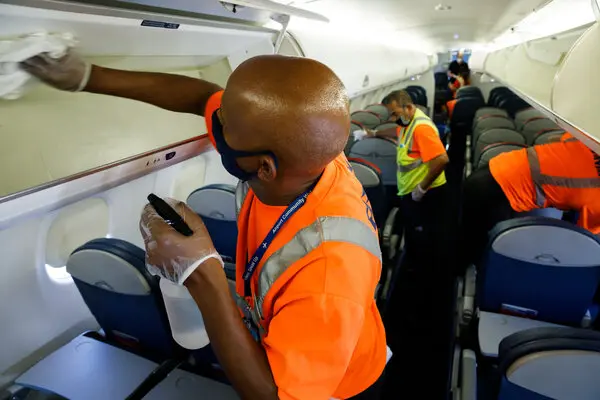
This type of cleaning is performed regularly, often after each flight, and focuses on high-touch surfaces, trash removal, and keeping the cabin and restrooms sanitary.

Supplies Needed:

  • Multipurpose disinfectant cleaner (approved for use in aircraft)
  • Microfiber cloths or disposable wipes
  • HEPA-filtered vacuum cleaner
  • Disposable gloves and masks for cleaning staff
  • Mop and disinfectant solution for floors
  • Trash bags
  • Glass cleaner (for windows and screens)

Key Areas to Clean:

A. Cabin Area

  • Seat Cleaning:
    • Wipe down seat backs, armrests, tray tables, and seat belts with disinfectant wipes.
    • Pay extra attention to seat pockets, removing any trash and wiping down the surfaces.
    • If seat cushions are removable, check and clean beneath them.
  • Tray Tables:
    • Thoroughly disinfect tray tables after each flight to prevent the spread of germs.
  • Seatbelts:
    • Clean and disinfect seatbelt buckles, as they are high-touch areas.
  • Headrests:
    • Wipe down headrests with disinfectant, particularly on longer flights where passengers may use them for resting.

B. Overhead Bins and Luggage Compartments

  • Empty and wipe: Open and wipe down the inside of overhead bins with a disinfectant. These areas can accumulate dust and debris from passengers’ bags.
  • Clean handles: Disinfect the bin handles and latches, which are frequently touched by passengers.

C. Lavatories

  • Disinfect all surfaces: Clean the sink, faucets, toilet seat, flush buttons, door handles, and baby-changing stations with disinfectant.
  • Restock supplies: Make sure that toilet paper, hand towels, and soap dispensers are refilled.
  • Clean mirrors: Use glass cleaner to remove smudges and fingerprints from mirrors.
  • Mop the floor: Use disinfectant to mop the lavatory floor, paying close attention to corners and edges.

D. Windows and Screens

  • Clean passenger windows: Wipe down windows and window shades with a glass cleaner.
  • In-flight entertainment screens: Disinfect touch screens with an approved cleaner that won’t damage electronic components.

E. Aisles and Floor Cleaning

  • Vacuum the carpet: Use a HEPA-filter vacuum to clean aisles and under seats, focusing on removing debris, crumbs, and dust.
  • Mop the galley and lavatory floors: Disinfect hard flooring areas using a mop and cleaning solution.

F. Galley

  • Disinfect counters: Wipe down all food preparation areas and surfaces with a food-safe disinfectant.
  • Clean storage compartments: Wipe down storage compartments where food and utensils are stored, as well as beverage carts.
  • Sanitize coffee makers and equipment: Clean and sanitize coffee machines, water dispensers, and other beverage equipment.

G. Cockpit

  • Wipe down controls: Clean and disinfect frequently touched surfaces such as controls, switches, and displays.
  • Vacuum: Remove dust and debris from the cockpit floor and seat areas.
  • Disinfect seat belts and armrests: As with the passenger cabin, ensure the seats and controls in the cockpit are thoroughly cleaned.

2. Deep Aircraft Cleaning

Deep cleaning is more intensive and typically carried out less frequently, such as during long layovers, scheduled maintenance, or after a flight has been exposed to illness or contamination. This includes cleaning areas that aren’t routinely cleaned between flights.

Supplies Needed:

  • Heavy-duty disinfectants and cleaners
  • Steam cleaning equipment (for upholstery and carpets)
  • High-power vacuum cleaner (with HEPA filters)
  • Personal protective equipment (PPE) for staff
  • Specialty cleaning solutions for specific materials (leather, fabric)
  • Sanitizing foggers or sprayers (optional for large-scale disinfection)

Key Areas for Deep Cleaning:

A. Deep Cleaning of Seats and Upholstery

  • Shampoo fabric seats: Use steam cleaning or shampooing for fabric seats, ensuring that all stains and grime are removed.
  • Clean leather seats: Use leather-safe cleaners to deep clean leather seats, then apply a leather conditioner to keep them soft and prevent cracking.
  • Clean between and under seats: Remove seat cushions (if possible) and clean thoroughly beneath and between the seats.

B. Carpets and Flooring

  • Steam clean carpets: Use a steam cleaner or a deep-cleaning vacuum to remove embedded dirt, stains, and bacteria from the carpets.
  • Disinfect floors: For hard floors, such as in the galley and lavatories, use a stronger disinfectant solution to remove any buildup of grime or stains.

C. Overhead Bins and Storage Areas

  • Clean inside compartments: Open and wipe down the entire interior of overhead bins and storage compartments, removing any built-up dirt or spills.
  • Sanitize handles and latches: Pay extra attention to deep cleaning handles, latches, and other high-touch areas.

D. Lavatories

  • Scrub and disinfect: Use a powerful cleaner to scrub toilet bowls, sinks, faucets, and the floor. Disinfect all surfaces thoroughly, including hard-to-reach areas like corners and the edges of the toilet seat.
  • Descale and disinfect: If necessary, descale faucets and water outlets to remove mineral buildup.

E. Galley Deep Clean

  • Sanitize food preparation areas: Remove any build-up of grime, particularly in areas where food and beverages are prepared. This includes coffee makers, ovens, and storage units.
  • Clean all appliances: Take apart and deep clean all appliances, including beverage machines, ovens, and refrigerators.
  • Disinfect carts and trays: Clean food and beverage carts, paying special attention to handles, latches, and interior surfaces.

F. Cockpit Detailed Cleaning

  • Disinfect controls: Clean every switch, control, and display carefully with disinfectants that won’t harm electronics.
  • Vacuum and wipe down surfaces: Vacuum the cockpit and disinfect seats, armrests, and belts thoroughly.
  • Clean windows and screens: Use appropriate cleaners for instrument screens and cockpit windows, ensuring no streaks or residues are left behind.

G. HVAC System Cleaning

  • Replace air filters: Replace or clean air filters in the aircraft’s HVAC system to improve air quality and ensure optimal airflow.
  • Clean air vents: Wipe down and disinfect all air vents to remove dust and prevent the spread of germs.

H. Sanitizing Fogging (Optional)

  • Fog the cabin: After deep cleaning, some airlines may choose to use a sanitizing fogger or electrostatic sprayer to disinfect the entire cabin, especially after flights where illness has been reported. This ensures all surfaces, even hard-to-reach ones, are disinfected.

3. Safety Measures for Cleaning Staff

  • Wear protective gear: Cleaning staff should wear gloves, masks, and protective clothing to prevent exposure to cleaning chemicals and potentially harmful bacteria or viruses.
  • Follow cleaning guidelines: Use only approved cleaning products that are safe for use in aircraft and follow the manufacturer’s guidelines.
  • Dispose of waste properly: Ensure that trash, used gloves, masks, and cleaning materials are disposed of safely and in compliance with regulations.

4. Frequency of Deep Cleaning

  • Daily essential cleaning: Routine cleaning is performed after each flight or between flights, ensuring that high-touch areas are disinfected.
  • Weekly deep cleaning: In some cases, deep cleaning can be scheduled weekly, depending on the airline’s policies and the frequency of flights.
  • Special circumstances: Deep cleaning may also be required after a medical emergency, passenger illness, or following specific health regulations (such as during a pandemic).

By following these steps, both routine and deep cleaning can ensure the aircraft remains a hygienic, safe environment for all passengers and crew members.

Airport deep cleaning

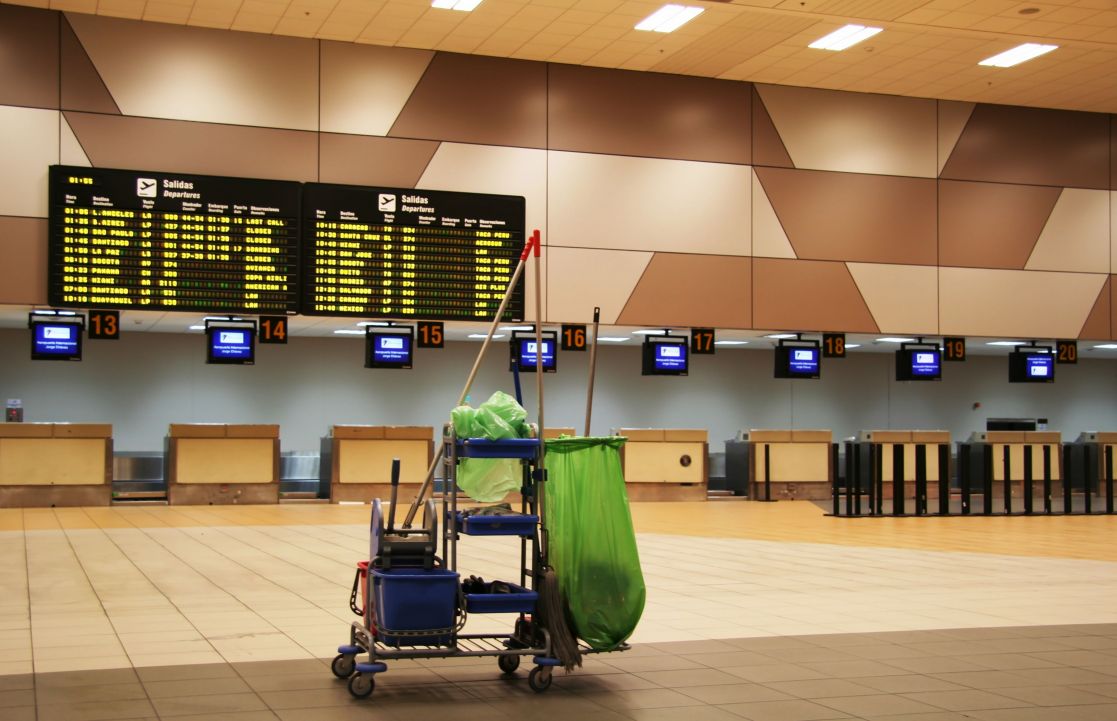
Deep cleaning an airport involves thorough and meticulous cleaning of high-traffic areas, surfaces, and facilities to maintain a hygienic and safe environment. This is particularly important in airports due to the high volume of passengers and staff moving through the space. Here’s a guide to conducting a deep cleaning in an airport, focusing on key areas and safety protocols:

1. Gather Necessary Supplies

Deep cleaning an airport requires a variety of cleaning supplies and equipment, including:

  • Industrial-strength disinfectants (approved for use in public spaces)
  • Microfiber cloths and disposable wipes
  • Mops, buckets, and brooms
  • Vacuum cleaners (preferably with HEPA filters)
  • Floor cleaning machines (auto scrubbers for large areas)
  • Window and glass cleaners
  • Trash bags and bins
  • Personal protective equipment (PPE) for staff (gloves, masks, gowns, face shields)
  • Sanitizing foggers or sprayers (optional, for large areas)

2. Plan the Cleaning Schedule

Since airports operate 24/7, cleaning must be done in phases to avoid disruptions:

  • Schedule cleaning during low-traffic hours: Deep cleaning is best done overnight or during non-peak hours.
  • Divide the airport into sections: Clean areas like terminals, restrooms, baggage claim, and waiting areas systematically to ensure thoroughness.

3. High-Traffic Area Cleaning

These areas require more frequent and intensive cleaning due to constant use by passengers.

A. Terminals and Waiting Areas

  • Disinfect all seating areas: Use disinfectant sprays or wipes to clean seats, armrests, and tables. Pay extra attention to areas where passengers eat or wait for long periods.
  • Vacuum carpets and mop hard floors: Use HEPA-filter vacuums for carpets to capture dust and allergens. Mop all hard surfaces with disinfectant solution to remove dirt and germs.
  • Clean kiosks and counters: Check-in counters, self-service kiosks, and ticketing machines are high-touch points. Wipe them down frequently with disinfectant.
  • Dust and clean: Dust all surfaces, including countertops, ledges, information desks, and signage, and disinfect them.

B. Gate Areas

  • Disinfect gate seating and charging stations: Focus on high-touch surfaces like armrests, charging ports, and screens.
  • Clean boarding pass scanners and gate check-in machines: Disinfect after each flight or on a regular schedule.
  • Mop floors: Clean thoroughly, especially near the boarding gate doors.

C. Baggage Claim Areas

  • Disinfect luggage carousels: These should be wiped down regularly due to constant passenger contact.
  • Clean floors and trash removal: Sweep and mop floors regularly, ensuring that trash bins are emptied frequently and disinfected.
  • Wipe handrails and cart handles: Disinfect the handles of luggage carts and the handrails around baggage claim areas.

4. Restroom Deep Cleaning

Airport restrooms require frequent deep cleaning due to their constant use.

  • Disinfect all surfaces: This includes sinks, countertops, toilet seats, flush handles, door handles, partitions, and paper towel dispensers.
  • Restock supplies: Ensure that soap, toilet paper, paper towels, and hand sanitizer dispensers are always refilled.
  • Mop floors with disinfectant: Pay special attention to floor areas around toilets and sinks, as these are prone to becoming dirty quickly.
  • Clean mirrors and glass surfaces: Use glass cleaner to ensure clear, streak-free mirrors and glass.
  • Empty trash bins frequently: Regularly empty bins and disinfect them to prevent odor and germ buildup.

5. Food Courts and Dining Areas

  • Clean and disinfect tables and chairs: Wipe down all dining surfaces after each use, using disinfectant for thorough cleaning.
  • Disinfect condiment stations and counters: Areas where people frequently touch, like condiment counters and self-serve drink stations, should be cleaned frequently.
  • Sanitize tray returns: Disinfect the areas where people drop off used trays and dishes.
  • Sweep and mop floors: Clean spills immediately and mop the entire floor area with disinfectant regularly.
  • Trash disposal: Ensure trash bins are emptied regularly and wiped down to prevent buildup of bacteria and odors.

6. Security Checkpoints

Security checkpoints are high-contact areas where both passengers and staff come into frequent contact with surfaces.

  • Disinfect trays and belts: Wipe down all trays used in security checks and conveyor belts with disinfectant after every use.
  • Sanitize bins and equipment: Clean the bins and security equipment, including the x-ray machines and metal detectors.
  • Mop and vacuum floors: Clean the floors thoroughly around the checkpoint to remove any debris or dirt that may have accumulated.

7. Elevators, Escalators, and Moving Walkways

  • Disinfect handrails: Wipe down handrails on escalators and moving walkways frequently throughout the day.
  • Clean elevator buttons and walls: Elevator buttons are high-touch areas that need frequent disinfecting.
  • Mop and vacuum: Regularly clean floors on escalators, inside elevators, and on walkways.

8. Offices and Staff Areas

These areas also need to be deep cleaned to maintain hygiene for airport staff.

  • Disinfect desks, keyboards, and phones: Clean frequently touched surfaces like workstations, phones, and equipment.
  • Vacuum and mop floors: Use vacuum cleaners with HEPA filters in office areas and mop hard surfaces with disinfectant.
  • Clean break rooms: Disinfect all surfaces, including tables, chairs, countertops, microwaves, and refrigerators.

9. Window and Glass Cleaning

  • Clean all glass surfaces: Regularly clean windows, doors, and glass partitions using a glass cleaner to remove fingerprints, smudges, and dirt.
  • Wipe down frames and sills: Don’t forget the window frames and sills, which often accumulate dust and dirt.

10. Use of Sanitizing Foggers (Optional)

For large, open spaces or areas that are difficult to clean manually, using a sanitizing fogger or sprayer can help disinfect broad areas quickly. This is especially useful for areas like terminals and baggage claim zones.

11. Final Touches

  • Replace air filters in HVAC systems regularly to ensure clean air circulation.
  • Inspect all areas to ensure nothing has been missed, especially high-touch points like door handles, light switches, and public phones.

12. Staff Safety and Protocols

  • Ensure that all cleaning staff are equipped with proper PPE (gloves, masks, face shields) while cleaning to protect themselves from exposure.
  • Train staff on the correct use of cleaning products, especially disinfectants, to ensure they are used effectively and safely.
  • Encourage regular hand hygiene and the proper disposal of cleaning materials like used gloves and wipes.

By following these detailed steps, airport facilities can maintain a clean, hygienic environment that ensures the safety and comfort of travelers, staff, and crew. Regular deep cleaning, especially in high-traffic areas, is essential for preventing the spread of germs and maintaining operational efficiency.

Comprehensive Airplane Maintenance Solutions

Ensuring the safety, reliability, and efficiency of aircraft operations requires a thorough and systematic approach to maintenance. Comprehensive airplane maintenance solutions encompass a wide range of services designed to meet regulatory requirements, maintain optimal performance, and extend the lifespan of the aircraft. Below are key components of a comprehensive airplane maintenance solution:

  1. Routine Maintenance

A-Checks:

•   Frequency: Approximately every 500–800 flight hours.
•   Tasks: Basic inspections of the aircraft’s structure and systems, including lubrication and minor repairs.

B-Checks:

•   Frequency: Approximately every 6–8 months.
•   Tasks: More detailed inspections than A-Checks, including checks on avionics, hydraulic systems, and flight controls.
  1. Heavy Maintenance

C-Checks:

•   Frequency: Approximately every 18–24 months.
•   Tasks: Extensive inspections of the entire aircraft, including structural inspections and overhauls of major systems.

D-Checks:

•   Frequency: Every 6–12 years.
•   Tasks: Comprehensive inspection and overhaul of the aircraft, often requiring disassembly of the aircraft. The most extensive and time-consuming check.
  1. Line Maintenance • Daily Checks: Pre-flight and post-flight inspections to ensure the aircraft is airworthy.
    • Turnaround Checks: Inspections conducted during aircraft turnaround times to address any immediate issues.
  2. Component Maintenance • Overhaul and Repair: Comprehensive service for engines, landing gear, avionics, and other critical components.
    • Component Exchange Programs: Immediate replacement of faulty components to minimize downtime.
  3. Predictive and Preventive Maintenance • Condition-Based Monitoring: Use of sensors and data analytics to predict failures and perform maintenance before issues arise.
    • Scheduled Preventive Maintenance: Regularly scheduled tasks designed to prevent system failures and prolong the life of components.
  4. Aircraft Modifications and Upgrades • Avionics Upgrades: Installation of modern avionics systems for improved navigation, communication, and safety.
    • Interior Refurbishments: Upgrading cabin interiors for passenger comfort and compliance with current standards.
    • Structural Modifications: Reinforcement or modification of aircraft structures to meet new regulations or extend service life.
  5. Regulatory Compliance • Adherence to Regulations: Ensuring all maintenance activities comply with local and international aviation regulations, such as those set by the FAA, EASA, or other relevant authorities.
    • Record Keeping: Maintaining detailed records of all maintenance activities for compliance and tracking purposes.
  6. Emergency and On-Demand Services • AOG (Aircraft on Ground) Services: Rapid response teams to address unscheduled maintenance and get the aircraft back in service quickly.
    • Mobile Repair Teams: On-site repair services for aircraft grounded at remote locations.
  7. Inventory Management • Parts Supply and Logistics: Efficient management of spare parts inventory to ensure availability of components when needed.
    • Vendor Management: Coordination with suppliers and vendors to streamline the supply chain.
  8. Technical Support and Training • Technical Support: 24/7 support for troubleshooting and resolving technical issues.
    • Training Programs: Ongoing training for maintenance personnel to keep up-to-date with the latest technologies and best practices.
  9. Data Management and Analytics • Maintenance Tracking Systems: Use of software systems to track maintenance schedules, component histories, and compliance records.
    • Data Analytics: Leveraging data to improve maintenance strategies, predict failures, and optimize operations.
  10. Environmental and Safety Standards • Environmental Compliance: Ensuring maintenance practices minimize environmental impact and comply with environmental regulations.
    • Safety Management Systems: Implementing robust safety protocols to protect maintenance personnel and ensure the highest standards of operational safety.

By integrating these components into a comprehensive airplane maintenance solution, aviation companies can ensure their fleets are maintained to the highest standards, enhancing safety, reliability, and efficiency.

Standard Operating Procedures for Cleaning Aircraft Cabins

Routine aircraft cabin cleaning is essential for maintaining hygiene, ensuring passenger comfort, and complying with health and safety regulations. Here are the general procedures for routine aircraft cabin cleaning:

Pre-Cleaning Preparation

  1. Safety First: Ensure that the aircraft is powered down and secured. Crew should wear appropriate personal protective equipment (PPE) such as gloves and masks.
  2. Materials and Equipment: Gather all necessary cleaning materials and equipment, including disinfectants, cleaning cloths, vacuum cleaners, trash bags, and any specialized cleaning tools.
  3. Ventilation: Ensure proper ventilation by opening cabin doors or using aircraft ventilation systems if applicable.

Step-by-Step Cleaning Procedures

1. Waste Collection and Disposal

  • Trash Removal: Collect and remove all trash from seat pockets, floors, and lavatories. Place in sealed trash bags.
  • Segregate Waste: Separate recyclable items from general waste according to airline policies.

2. Seat Area Cleaning

  • Seat Pockets: Empty seat pockets and wipe them clean.
  • Tray Tables: Clean and disinfect tray tables. Ensure they are dry before folding them back up.
  • Seat Belts: Wipe seat belts with disinfectant wipes, ensuring buckles are clean.
  • Seat Cushions and Armrests: Wipe down all seat cushions and armrests with disinfectant.

3. Floor and Carpet Cleaning

  • Vacuuming: Vacuum the entire cabin floor, paying special attention to areas under seats and in aisles.
  • Spot Cleaning: Use appropriate carpet cleaners to spot clean any stains or spills on the carpet.

4. Lavatory Cleaning

  • Sanitizing Fixtures: Clean and disinfect all lavatory surfaces, including sinks, countertops, mirrors, and toilet seats.
  • Restocking Supplies: Ensure that toilet paper, soap, paper towels, and other supplies are replenished.
  • Odor Control: Use air fresheners or deodorizing sprays to maintain a pleasant smell.

5. Galley Cleaning

  • Surface Cleaning: Wipe down all galley surfaces, including countertops, cabinets, and appliances.
  • Equipment Cleaning: Clean and disinfect all equipment such as coffee makers, ovens, and microwaves.
  • Restocking Supplies: Ensure that all supplies are replenished, including napkins, utensils, and beverage stock.

6. Overhead Bins

  • Inspection: Check overhead bins for any forgotten items and remove them.
  • Cleaning: Wipe down the interior and exterior surfaces of the overhead bins.

7. Windows and Shades

  • Wipe Down: Clean windows and window shades with a non-abrasive cleaner.

8. Cabin Walls and Ceilings

  • Spot Cleaning: Wipe down any visible stains or marks on cabin walls and ceilings.

9. Air Vents and Light Fixtures

  • Dust Removal: Clean air vents and light fixtures to remove dust and debris.

10. Passenger Service Units (PSUs)

  • Cleaning: Wipe down PSUs, including light switches, air vents, and call buttons.

11. Final Inspection

  • Thorough Check: Conduct a final walkthrough to ensure all areas are clean and that no trash or cleaning materials are left behind.
  • Report Issues: Report any maintenance issues or damages discovered during cleaning to the appropriate personnel.

Post-Cleaning Procedures

  1. Waste Disposal: Properly dispose of all collected trash and waste according to airline and local regulations.
  2. Equipment Storage: Clean and store all cleaning equipment and materials.
  3. Documentation: Complete any required documentation or checklists to confirm that the cleaning has been completed.

Additional Considerations

  • Disinfection Protocols: Follow enhanced disinfection protocols during times of increased health concerns, such as during a pandemic.
  • Cleaning Frequency: Establish a cleaning schedule that includes routine cleaning between flights and more thorough deep cleaning at regular intervals.
  • Training: Ensure all cleaning staff are properly trained in cleaning procedures, use of cleaning products, and safety protocols.

By following these general procedures, airlines can ensure that the aircraft cabin remains clean, hygienic, and welcoming for passengers, while also meeting regulatory requirements and maintaining operational efficiency.

Cleaning Essential for Aircraft Maintenance

Cleaning during aircraft maintenance is critical for several reasons, including safety, performance, regulatory compliance, and overall operational efficiency. Here are the key aspects of its importance:

1. Safety

  • Preventing Contamination: Regular cleaning removes contaminants such as dirt, grease, and debris that can interfere with the aircraft’s systems and components.
  • Fire Hazard Reduction: Clean surfaces reduce the risk of fire by eliminating flammable residues that can accumulate over time.
  • Ensuring Visibility: Clean windows, lights, and sensors ensure pilots have clear visibility and that navigational aids function properly.

2. Performance

  • Aerodynamic Efficiency: Dirt and debris on the aircraft’s surface can disrupt airflow, increasing drag and reducing fuel efficiency. Cleaning helps maintain optimal aerodynamic performance.
  • Component Longevity: Regular cleaning prevents the buildup of corrosive substances that can damage components, thereby extending their lifespan and ensuring they operate efficiently.

3. Regulatory Compliance

  • Adhering to Standards: Regulatory bodies such as the FAA and EASA have strict cleanliness standards for aircraft. Regular cleaning ensures compliance with these regulations.
  • Inspection Readiness: Clean aircraft are easier to inspect, allowing maintenance personnel to quickly identify and address any issues.

4. Operational Efficiency

  • Ease of Maintenance: Clean components are easier to maintain and repair, reducing downtime during maintenance checks.
  • Early Problem Detection: Regular cleaning allows maintenance staff to detect and address potential issues early, preventing more significant problems down the line.

5. Passenger Experience

  • Comfort and Satisfaction: A clean aircraft enhances passenger comfort and satisfaction, contributing to a positive travel experience.
  • Brand Image: Maintaining cleanliness reflects positively on the airline’s brand and reputation.

6. Corrosion Prevention

  • Protecting Metal Surfaces: Regular cleaning removes corrosive elements such as salt, moisture, and industrial pollutants that can lead to metal corrosion.
  • Extending Aircraft Life: Preventing corrosion helps extend the aircraft’s operational life and reduces the need for costly repairs or replacements.

7. Health and Hygiene

  • Preventing Disease Spread: Thorough cleaning, especially of the cabin, reduces the risk of spreading infectious diseases among passengers and crew.
  • Maintaining Air Quality: Clean air filters and ventilation systems ensure good air quality within the cabin, contributing to the health and comfort of passengers and crew.

8. Environmental Considerations

  • Proper Waste Management: Ensuring that cleaning processes are environmentally friendly by using appropriate cleaning agents and disposing of waste properly.
  • Compliance with Environmental Regulations: Adhering to environmental regulations regarding the use and disposal of cleaning chemicals.

Key Areas of Focus During Cleaning

Exterior Cleaning

  • Fuselage and Wings: Removing dirt, grease, and contaminants to maintain aerodynamic efficiency and prevent corrosion.
  • Landing Gear: Cleaning to ensure proper operation and to detect any signs of wear or damage.

Interior Cleaning

  • Cabin: Thoroughly cleaning seats, carpets, tray tables, and lavatories to ensure passenger comfort and hygiene.
  • Cockpit: Ensuring that all instruments and controls are clean and free of obstructions for safe operation.

Engine Cleaning

  • Debris Removal: Cleaning the engine to remove dirt, dust, and other contaminants that can affect performance.
  • Inspection Facilitation: Ensuring that the engine is clean for easier inspection and maintenance.

Conclusion

Cleaning during aircraft maintenance is an essential practice that supports safety, efficiency, regulatory compliance, and passenger satisfaction. By maintaining rigorous cleaning standards, airlines and maintenance crews can ensure the longevity and reliability of the aircraft while enhancing the overall travel experience for passengers.

Airport maintenance successful tips

Maintaining an airport involves a multitude of tasks to ensure safety, efficiency, and a pleasant experience for passengers. Here are some successful tips for effective airport maintenance:

  1. Preventative Maintenance • Regular Inspections: Conduct routine inspections of all airport facilities, including runways, taxiways, terminals, and parking lots, to identify and address potential issues early.
    • Scheduled Servicing: Implement a schedule for regular servicing of mechanical systems (e.g., HVAC, escalators, elevators), electrical systems, and plumbing to prevent breakdowns.
  2. Effective Communication and Coordination • Communication Systems: Use reliable communication systems to coordinate maintenance activities and respond to issues quickly.
    • Collaboration: Foster collaboration between maintenance teams, airport operations, security, and external contractors to ensure seamless operations.
  3. Training and Staffing • Skilled Workforce: Hire and retain skilled maintenance personnel. Provide ongoing training to keep them updated on the latest technologies and best practices.
    • Safety Training: Ensure all staff are trained in safety procedures and emergency response protocols.
  4. Technology and Automation • Maintenance Management Software: Use Computerized Maintenance Management Systems (CMMS) to track maintenance tasks, schedule inspections, and manage work orders efficiently.
    • IoT and Sensors: Deploy IoT devices and sensors to monitor critical infrastructure and equipment in real-time, enabling proactive maintenance.
  5. Sustainability and Environmental Considerations • Energy Efficiency: Implement energy-efficient systems and practices, such as LED lighting, energy management systems, and solar panels, to reduce operational costs and environmental impact.
    • Waste Management: Develop a comprehensive waste management program, including recycling and proper disposal of hazardous materials.
  6. Facility Upkeep • Cleanliness: Maintain high standards of cleanliness in all areas, including terminals, restrooms, and waiting areas. Regularly clean and disinfect high-touch surfaces.
    • Landscaping: Keep outdoor areas, such as gardens and parking lots, well-maintained to enhance the airport’s aesthetic appeal.
  7. Emergency Preparedness • Emergency Plans: Develop and regularly update emergency response plans for various scenarios, including equipment failure, natural disasters, and security threats.
    • Drills and Simulations: Conduct regular drills and simulations to ensure staff are prepared to handle emergencies efficiently.
  8. Passenger Experience • Wayfinding: Ensure clear and effective signage throughout the airport to help passengers navigate easily.
    • Comfort and Amenities: Regularly maintain passenger amenities such as seating, restrooms, and charging stations to ensure comfort and convenience.
  9. Infrastructure Maintenance • Runway and Taxiway Maintenance: Regularly inspect and repair runways and taxiways to ensure they are in excellent condition, free from debris, and meet safety standards.
    • Building Maintenance: Keep terminal buildings, hangars, and other structures in good repair, addressing any structural issues promptly.
  10. Feedback and Continuous Improvement • Passenger Feedback: Encourage and collect feedback from passengers regarding the airport’s condition and services. Use this information to make improvements.
    • Benchmarking: Compare maintenance practices and performance with other airports to identify areas for improvement and implement best practices.
  11. Vendor and Contractor Management • Reliable Partners: Work with reputable vendors and contractors who can provide quality services and products.
    • Contracts and SLAs: Establish clear contracts and service level agreements (SLAs) to ensure accountability and high standards of service.

By implementing these tips, airport management can ensure that the facility operates smoothly, safely, and efficiently, providing a positive experience for passengers and staff alike.

Pest control in an airport

Pest control in an airport is crucial due to the high volume of passengers, food services, and the potential for pests to spread diseases. Implementing an effective pest control program in an airport involves several key components:

  1. Assessment and Inspection • Regular Inspections: Conduct thorough and regular inspections of all airport areas, including terminals, baggage claim, food courts, restrooms, and external areas.
    • Identification: Identify common pests (e.g., rodents, insects, birds) and potential infestation sites.
    • Monitoring: Use monitoring devices such as traps and bait stations to detect and track pest activity.
  2. Preventative Measures • Sanitation: Maintain high standards of cleanliness in all areas. Ensure food waste is promptly disposed of and trash bins are regularly emptied and cleaned.
    • Exclusion: Seal cracks, crevices, and entry points to prevent pests from entering buildings. Install door sweeps, screens, and other barriers.
    • Landscaping: Keep vegetation trimmed and remove standing water to reduce pest harborage areas outside the airport.
  3. Pest Control Strategies • Chemical Controls: Use approved insecticides, rodenticides, and other chemical treatments as needed. Apply these substances according to safety regulations and guidelines.
    • Biological Controls: Utilize natural predators or biological agents to manage pest populations.
    • Mechanical Controls: Employ traps, bait stations, and other mechanical devices to capture or deter pests.
  4. Special Considerations for Sensitive Areas • Food Preparation and Dining Areas: Implement stringent sanitation practices. Store food properly, clean spills immediately, and maintain pest-proof storage areas.
    • Baggage and Cargo Areas: Regularly inspect incoming luggage and cargo for pests. Use traps and monitoring devices to detect any infestations.
    • Aircraft: Ensure thorough cleaning and pest inspection of aircraft interiors. Collaborate with airlines for in-flight pest control measures.
  5. Documentation and Reporting • Record Keeping: Maintain detailed records of inspections, pest sightings, treatments, and follow-up actions. This helps in tracking pest trends and the effectiveness of control measures.
    • Incident Reporting: Establish a system for airport staff and passengers to report pest sightings.
  6. Staff Training and Awareness • Education: Train airport staff on pest identification, reporting procedures, and the importance of maintaining cleanliness and sanitation.
    • Awareness Campaigns: Inform passengers and airport personnel about pest control measures and encourage cooperation.
  7. Compliance and Safety • Regulations: Ensure compliance with local, state, and federal pest control regulations and guidelines.
    • Safety Protocols: Implement safety protocols to protect passengers, staff, and wildlife from potential hazards associated with pest control measures.
  8. Regular Review and Adaptation • Program Evaluation: Regularly review the pest control program’s effectiveness and make necessary adjustments.
    • Continuous Improvement: Stay updated with the latest pest control technologies and practices to continually improve the program.

By following these steps, airports can effectively manage pest control, ensuring a safe and pleasant environment for passengers and staff.