Month: June 2024

Month: June 2024

Difficulties in Industrial Cleaning

Industrial cleaning poses several unique challenges due to the nature of the environments, the scale of operations, and the types of contaminants involved. Here are some of the key challenges:

  1. Complexity of the Environment

Large and Varied Spaces

• Industrial facilities often have large and complex layouts with diverse areas such as production floors, storage areas, offices, and restrooms, each requiring different cleaning methods and equipment.

Hard-to-Reach Areas

• Cleaning and maintaining areas that are difficult to access, such as high ceilings, behind machinery, or confined spaces, require specialized tools and techniques.

  1. Type of Contaminants

Heavy Soiling

• Industrial settings frequently deal with heavy dirt, grease, oil, and other stubborn contaminants that are more challenging to clean compared to typical commercial environments.

Hazardous Materials

• The presence of hazardous materials, including chemicals, biological agents, and radioactive substances, necessitates stringent cleaning protocols and specialized handling.

  1. Health and Safety Concerns

Risk of Exposure

• Workers face potential exposure to hazardous substances, requiring strict adherence to safety protocols and use of personal protective equipment (PPE).

Physical Strain

• Industrial cleaning can be physically demanding, involving heavy lifting, prolonged standing, and repetitive motions, which can lead to injuries and strain.

  1. Regulatory Compliance

OSHA and EPA Regulations

• Compliance with regulations set by the Occupational Safety and Health Administration (OSHA) and the Environmental Protection Agency (EPA) is mandatory, requiring constant monitoring and updating of cleaning practices.

Industry-Specific Standards

• Different industries (e.g., food processing, pharmaceuticals) have specific cleaning and sanitation standards that must be met, adding to the complexity of the cleaning process.

  1. Operational Disruptions

Downtime

• Cleaning operations can disrupt regular production activities, leading to potential downtime and loss of productivity. Scheduling cleaning activities to minimize disruption is a major logistical challenge.

Coordination

• Coordinating cleaning schedules with various departments and shifts within the facility to ensure minimal impact on operations can be difficult.

  1. Resource Management

Cost of Equipment and Supplies

• Investing in high-quality cleaning equipment and supplies can be expensive, and maintaining them requires ongoing financial resources.

Training and Retention

• Ensuring that cleaning staff are adequately trained in the use of equipment, safety protocols, and effective cleaning techniques is essential but can be time-consuming and costly. Retaining skilled workers in a demanding job can also be challenging.

  1. Environmental Impact

Sustainable Practices

• Implementing green cleaning practices and reducing the environmental footprint of cleaning activities require careful selection of eco-friendly products and methods, which may be more costly and less readily available.

Waste Management

• Proper disposal of waste, including hazardous materials, is critical to prevent environmental contamination and comply with regulations.

  1. Technological Challenges

Integration of Advanced Technologies

• While advanced cleaning technologies like robotic cleaners, UV-C disinfection, and electrostatic sprayers can enhance efficiency, integrating these technologies into existing operations requires significant investment and training.

Maintenance of Equipment

• Regular maintenance and calibration of advanced cleaning equipment are necessary to ensure optimal performance, adding to operational costs and complexity.

  1. Quality Control

Ensuring Consistency

• Maintaining consistent cleaning standards across large and varied industrial spaces can be difficult, requiring regular inspections and quality assurance processes.

Feedback and Improvement

• Collecting and acting on feedback to continuously improve cleaning processes and address any issues promptly is essential but can be logistically challenging.

Conclusion

Industrial cleaning involves overcoming numerous challenges related to the complexity of environments, types of contaminants, health and safety concerns, regulatory compliance, operational disruptions, resource management, environmental impact, technological integration, and quality control. Addressing these challenges requires a systematic approach, investment in training and equipment, and adherence to best practices and regulations. By effectively managing these challenges, industrial facilities can maintain a clean, safe, and efficient working environment.

Techniques for sanitizing industrial spaces

Disinfecting industrial areas is crucial for maintaining a safe and healthy environment for workers and ensuring compliance with health and safety regulations. Here’s a comprehensive guide on how to effectively disinfect industrial areas:

  1. Assessment and Planning

Identify Areas to Disinfect

• Determine high-touch areas (e.g., door handles, machinery controls, handrails). • Identify high-traffic zones (e.g., break rooms, restrooms, common areas).

Choose Appropriate Disinfectants

• Select EPA-approved disinfectants effective against the pathogens of concern. • Ensure the chosen disinfectants are suitable for the surfaces and materials in your facility.

Develop a Disinfection Plan

• Create a schedule for regular disinfection (daily, weekly, monthly). • Outline procedures for routine cleaning and deep disinfection. • Designate trained personnel responsible for disinfection tasks.

  1. Preparation

Gather Supplies and Equipment

• Disinfectants: EPA-approved and suitable for the environment. • Cleaning Tools: Mops, buckets, microfiber cloths, brushes. • Personal Protective Equipment (PPE): Gloves, masks, goggles, protective suits. • Specialized Equipment: Electrostatic sprayers, foggers, UV-C light devices.

Prepare the Area

• Remove or cover items that might be sensitive to disinfectants. • Ensure proper ventilation to reduce inhalation risks and improve drying times.

  1. Cleaning and Disinfecting Procedures

Surface Cleaning

• Dust and Debris Removal: Start by dusting and sweeping to remove loose dirt and debris. • Initial Cleaning: Use a detergent solution to clean surfaces. This helps remove grime and organic matter that could interfere with the effectiveness of disinfectants.

Disinfection Process

• Application: Apply disinfectant according to the manufacturer’s instructions. Ensure complete coverage of the surface. • Dwell Time: Allow the disinfectant to remain on the surface for the recommended contact time to ensure effectiveness. • Wiping and Rinsing: For surfaces that come into contact with food or sensitive materials, rinse with clean water after disinfection to remove any chemical residues.

  1. Special Considerations for Different Areas

Machinery and Equipment

• Turn Off and Unplug: Ensure machinery is turned off and unplugged before cleaning. • Non-Abrasive Cleaners: Use non-abrasive cleaners to avoid damaging sensitive components. • Detailed Attention: Focus on high-touch areas like control panels, buttons, and handles.

Floors

• Sweeping and Mopping: Sweep floors to remove debris before mopping with a disinfectant solution. • Floor Scrubbers: Use industrial floor scrubbers for large areas to ensure thorough cleaning and disinfection.

HVAC Systems

• Regular Maintenance: Clean and disinfect HVAC filters and ducts regularly to prevent the spread of airborne contaminants. • Professional Services: Consider professional HVAC cleaning services for comprehensive disinfection.

Restrooms and Break Rooms

• High-Frequency Disinfection: Frequently disinfect high-touch surfaces such as faucets, door handles, countertops, and dispensers. • Sanitizing Stations: Install hand sanitizing stations to encourage regular hand hygiene.

  1. Safety and Compliance

PPE Usage

• Ensure all cleaning personnel wear appropriate PPE to protect against chemical exposure and contamination.

Training

• Provide training on the correct use of disinfectants, cleaning techniques, and safety protocols. • Train staff on emergency procedures in case of accidental exposure or spills.

Documentation

• Maintain records of disinfection activities, including dates, areas cleaned, and products used. • Regularly review and update disinfection protocols to comply with health and safety regulations.

  1. Advanced Disinfection Methods

Electrostatic Spraying

• Uses an electrostatic charge to ensure even coverage of disinfectant on surfaces, reaching hard-to-access areas.

Fogging

• Disperses disinfectant in a fine mist to cover large areas quickly and effectively.

UV-C Light Disinfection

• Uses ultraviolet light to kill bacteria and viruses on surfaces and in the air. Ensure safety measures to protect workers from UV exposure.

  1. Post-Disinfection Monitoring

Inspection

• Conduct regular inspections to ensure the effectiveness of disinfection efforts.

Feedback

• Collect feedback from workers to identify areas needing more attention or improvement in disinfection practices.

Continuous Improvement

• Stay updated with the latest disinfection technologies and methods. • Adjust disinfection protocols based on feedback and inspection results.

Conclusion

Disinfecting industrial areas requires a systematic approach, combining thorough cleaning, proper use of disinfectants, and adherence to safety protocols. Regular assessment, planning, and training are crucial for maintaining a clean and safe industrial environment. Implementing advanced disinfection methods and continuously monitoring the effectiveness of your protocols will ensure ongoing protection against pathogens and contaminants.

Comprehensive guide to building maintenance

Building cleaning is essential for maintaining a healthy and pleasant environment for occupants. Here’s a comprehensive guide to building cleaning:

  1. Planning and Preparation

Assess Cleaning Needs

• Determine the type and frequency of cleaning required for different areas. • Identify high-traffic areas needing more frequent attention.

Create a Cleaning Schedule

• Develop a regular cleaning schedule (daily, weekly, monthly). • Allocate tasks to specific days and times.

Gather Supplies and Equipment

• Cleaning agents: all-purpose cleaner, disinfectants, glass cleaner, floor cleaner. • Tools: mops, brooms, vacuum cleaners, microfiber cloths, sponges, brushes. • Safety gear: gloves, masks, goggles.

  1. Daily Cleaning Tasks

Entryways and Common Areas

• Sweep and mop floors. • Clean and disinfect door handles, railings, and light switches. • Empty and sanitize trash bins. • Dust furniture and surfaces.

Restrooms

Kitchens and Break Rooms

• Clean and disinfect toilets, sinks, and countertops. • Refill soap dispensers and paper products. • Sweep and mop floors. • Empty trash bins and replace liners.

• Clean and disinfect countertops, tables, and chairs. • Wipe down appliances (microwave, refrigerator, etc.). • Sweep and mop floors. • Empty and sanitize trash bins.

  1. Weekly Cleaning Tasks

Floors

• Vacuum carpets and rugs. • Mop all hard surface floors thoroughly. • Spot-clean any stains or spills on carpets.

Windows and Glass Surfaces

• Clean windows inside and out. • Wipe down mirrors and glass partitions.

Furniture and Fixtures

• Dust and polish furniture. • Clean light fixtures and ceiling fans.

  1. Monthly Cleaning Tasks

Deep Cleaning

Storage Areas

• Shampoo carpets and rugs. • Strip and wax hard surface floors. • Clean and disinfect HVAC vents and filters. • Wash walls and baseboards.

• Organize and clean storage rooms. • Dispose of unnecessary items and clutter.

  1. Specialized Cleaning

Elevators

• Clean and disinfect buttons and panels. • Sweep and mop elevator floors. • Polish stainless steel surfaces.

Stairwells

• Sweep and mop steps and landings. • Clean and disinfect handrails.

Exterior Cleaning

• Sweep and power wash sidewalks and entryways. • Clean exterior windows and doors. • Maintain landscaping and remove any debris.

  1. Green Cleaning Practices

Eco-Friendly Products

• Use biodegradable and non-toxic cleaning agents. • Avoid products with harsh chemicals.

Water and Energy Conservation

• Use water-efficient cleaning methods. • Turn off lights and equipment when not in use.

Waste Reduction

• Recycle paper, plastic, and glass materials. • Properly dispose of hazardous waste.

  1. Safety and Training

Employee Training

• Train staff on proper cleaning techniques and product usage. • Provide training on safety protocols and emergency procedures.

Safety Measures

• Use appropriate personal protective equipment (PPE). • Clearly label all cleaning products and store them safely. • Ensure proper ventilation in cleaning areas.

  1. Quality Control

Inspection and Feedback

• Regularly inspect cleaning quality and address any issues. • Encourage feedback from building occupants.

Continuous Improvement

• Update cleaning protocols based on feedback and new standards. • Invest in advanced cleaning technologies and equipment.

Conclusion

A comprehensive building cleaning plan ensures a safe, clean, and pleasant environment for everyone. Regular maintenance, attention to detail, and adherence to safety standards are key to effective building cleaning.Comprehensive guide to building maintenance

Information about industrial cleaning

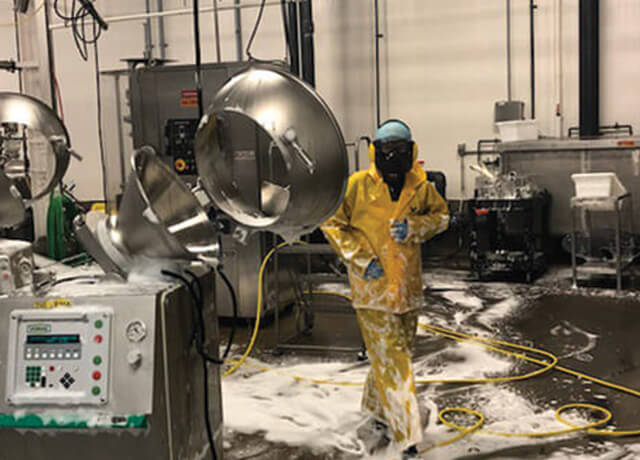
Industrial cleaning involves the cleaning and maintenance of industrial facilities such as factories, warehouses, and manufacturing plants. Here are some key facts about industrial cleaning:

Scope and Importance • Critical for Safety: Industrial cleaning helps maintain a safe working environment by reducing the risk of accidents, exposure to harmful substances, and contamination.
• Regulatory Compliance: Industries must adhere to strict cleaning and hygiene standards set by regulatory bodies such as OSHA (Occupational Safety and Health Administration) and EPA (Environmental Protection Agency).
• Enhances Productivity: A clean workplace can improve employee morale and productivity, as well as maintain the efficiency of machinery and equipment.

Specialized Techniques and Equipment • High-Pressure Cleaning: Uses high-pressure water jets to remove stubborn grime, grease, and debris from surfaces.
• Cryogenic Cleaning: Also known as dry ice blasting, it uses dry ice pellets to clean surfaces without leaving residue.
• Ultrasonic Cleaning: Employs high-frequency sound waves to clean delicate parts and equipment.
• Vacuum Systems: Industrial vacuum cleaners are used to remove dust, debris, and hazardous materials from large areas.

Common Industrial Cleaning Services • Floor Cleaning: Includes sweeping, scrubbing, and polishing industrial floors, which can be made of concrete, epoxy, or other durable materials.
• Machine and Equipment Cleaning: Regular cleaning of machinery to prevent malfunction and extend lifespan.
• Tank and Silo Cleaning: Ensuring storage units for liquids and bulk materials are clean and free from contamination.
• Ventilation and Duct Cleaning: Removing dust, debris, and contaminants from HVAC systems to ensure clean air circulation.
• Hazardous Material Cleanup: Safe removal and disposal of hazardous materials such as chemicals, oils, and toxic substances.

Safety and Training • PPE Requirements: Workers must use personal protective equipment (PPE) such as gloves, masks, goggles, and protective suits.
• Training: Employees receive specialized training on handling hazardous materials, using cleaning equipment, and following safety protocols.
• Emergency Preparedness: Industrial cleaners are trained to handle emergency situations, such as chemical spills or equipment malfunctions.

Environmental Considerations • Green Cleaning: Many industrial cleaning companies use eco-friendly products and methods to minimize environmental impact.
• Waste Management: Proper disposal of industrial waste, including recycling and handling hazardous waste, is crucial to prevent environmental contamination.
• Water Conservation: Implementing water-efficient cleaning practices to reduce water usage in industrial cleaning processes.

Challenges in Industrial Cleaning • Complexity and Scale: Industrial facilities are often large and complex, requiring specialized knowledge and equipment.
• Access and Reach: Cleaning hard-to-reach areas such as high ceilings, confined spaces, and complex machinery can be challenging.
• Contamination Control: Preventing cross-contamination and managing biohazards or chemical residues is critical in many industrial settings.
• Regulatory Compliance: Adhering to various local, state, and federal regulations can be complex and requires constant monitoring and updating of practices.

Innovations and Technology • Automation and Robotics: Use of robotic cleaners and automated systems to clean large areas and complex machinery efficiently.
• Smart Sensors: Monitoring cleanliness levels and identifying areas needing attention through advanced sensor technology.
• Advanced Chemicals: Development of more effective and environmentally friendly cleaning agents to enhance cleaning efficiency and safety.

Conclusion

Industrial cleaning is a vital aspect of maintaining safe, productive, and compliant industrial facilities. It involves specialized techniques, equipment, and trained personnel to address the unique challenges of industrial environments. Continuous advancements in technology and an emphasis on environmental sustainability are shaping the future of industrial cleaning practices.

What I should know about cleaning commercial buildings

Commercial building cleaning involves maintaining the cleanliness and hygiene of commercial spaces such as offices, retail stores, hotels, and other business premises. Here’s what you need to know about commercial building cleaning:

Types of Commercial Spaces • Offices: Regular cleaning of workspaces, common areas, restrooms, and kitchens.
• Retail Stores: Ensuring clean floors, shelves, fitting rooms, and restrooms.
• Hotels: Daily cleaning of guest rooms, lobbies, restaurants, and conference rooms.
• Healthcare Facilities: High standards of cleanliness and sanitation for patient rooms, operating rooms, and common areas.
• Educational Institutions: Classrooms, restrooms, gyms, and cafeterias require frequent cleaning.

Scope of Cleaning Services • General Cleaning: Dusting, vacuuming, mopping, and emptying trash bins.
• Restroom Sanitation: Cleaning toilets, sinks, and replenishing supplies like soap and toilet paper.
• Floor Maintenance: Sweeping, mopping, waxing, and carpet cleaning.
• Window Cleaning: Both interior and exterior window cleaning to maintain clear and streak-free glass.
• Kitchen/Breakroom Cleaning: Cleaning countertops, appliances, and dining areas.
• Specialized Cleaning: Deep cleaning, disinfecting high-touch areas, and cleaning HVAC systems.

Frequency of Cleaning • Daily: High-traffic areas, restrooms, kitchens, and common areas.
• Weekly: Detailed cleaning of offices, conference rooms, and less frequently used areas.
• Monthly/Quarterly: Deep cleaning, carpet cleaning, window washing, and HVAC maintenance.

Essential Equipment and Supplies • Cleaning Agents: All-purpose cleaners, disinfectants, glass cleaners, and specialized floor cleaners.
• Cleaning Tools: Mops, brooms, vacuum cleaners, microfiber cloths, sponges, brushes, and duster.
• Protective Gear: Gloves, masks, and sometimes protective clothing.
• Advanced Equipment: Floor scrubbers, carpet extractors, pressure washers, and window cleaning tools.

Health and Safety Considerations • Use of Non-Toxic Products: Prefer eco-friendly and non-toxic cleaning agents to ensure the safety of occupants and cleaners.
• PPE for Cleaners: Personal protective equipment to safeguard against exposure to chemicals and contaminants.
• Ventilation: Ensure good airflow during and after cleaning to dissipate fumes and improve indoor air quality.
• Emergency Procedures: Have protocols in place for handling chemical spills and other cleaning-related emergencies.

Regulatory Compliance • OSHA Standards: Compliance with Occupational Safety and Health Administration (OSHA) regulations for workplace safety.
• EPA Guidelines: Following Environmental Protection Agency (EPA) guidelines for the use of cleaning agents and disposal of waste.
• Industry-Specific Standards: Adhering to cleanliness standards specific to industries like healthcare, food service, and education.

Green Cleaning Practices • Eco-Friendly Products: Use biodegradable and environmentally safe cleaning products.
• Sustainable Practices: Implementing practices that reduce water and energy usage.
• Waste Reduction: Recycling and proper disposal of cleaning waste.

Quality Control and Management • Regular Inspections: Conducting regular inspections to ensure cleaning standards are met.
• Feedback Mechanisms: Implementing systems for receiving and addressing feedback from building occupants.
• Continuous Training: Ongoing training for cleaning staff to keep them updated on best practices and new technologies.

Choosing a Commercial Cleaning Service • Reputation and Experience: Look for companies with a good reputation and extensive experience in commercial cleaning.
• Customized Plans: Choose a service that offers customized cleaning plans tailored to your specific needs.
• Insurance and Certifications: Ensure the cleaning company is insured and holds necessary certifications.
• Reliability and Flexibility: The company should be reliable and flexible to accommodate your schedule and special requests.

Conclusion

Commercial building cleaning is essential for maintaining a professional and healthy environment for employees, clients, and visitors. It involves a wide range of tasks, specialized equipment, and adherence to health and safety standards. By understanding the scope, frequency, and best practices of commercial cleaning, businesses can ensure their premises remain clean, safe, and welcoming.

How to set up a business providing commercial cleaning services

Starting a commercial cleaning business can be a lucrative venture if approached correctly. Here is a step-by-step guide to help you get started:

  1. Research and Planning

Market Research

• Identify Target Market: Determine which types of commercial properties you will target (e.g., offices, retail stores, hotels, healthcare facilities). • Analyze Competitors: Study existing cleaning businesses in your area to understand their services, pricing, and customer base. • Understand Industry Trends: Stay informed about industry standards, innovations, and customer preferences.

Create a Business Plan

• Business Objectives: Define your short-term and long-term goals. • Services Offered: List the cleaning services you will provide. • Pricing Strategy: Develop a pricing model based on market research and cost analysis. • Marketing Plan: Outline strategies for attracting and retaining clients. • Financial Projections: Estimate startup costs, operating expenses, and revenue projections.

  1. Legal and Administrative Setup

Choose a Business Structure

• Options include sole proprietorship, partnership, limited liability company (LLC), or corporation. Consult with a legal advisor to determine the best structure for your business.

Register Your Business

• Register your business name with the appropriate government authority.

Obtain Necessary Licenses and Permits

• Research local, state, and federal requirements for business licenses and permits.

Get Insurance

• Acquire general liability insurance, workers’ compensation insurance, and any other relevant coverage to protect your business and employees.

  1. Setting Up Operations

Purchase Equipment and Supplies

• Cleaning Equipment: Vacuum cleaners, floor scrubbers, mops, brooms, dusters, etc. • Cleaning Supplies: All-purpose cleaners, disinfectants, glass cleaners, floor cleaners, etc. • Protective Gear: Gloves, masks, and other safety equipment.

Hire and Train Staff

• Recruit reliable and trustworthy employees. • Provide thorough training on cleaning techniques, safety protocols, and customer service.

  1. Marketing and Sales

Branding

• Develop a professional logo and business cards. • Create a website with detailed information about your services, pricing, and contact details.

Online Presence

• Utilize social media platforms to promote your business. • List your business on online directories and review sites like Google My Business and Yelp.

Networking

• Attend local business events and join professional organizations to build connections. • Partner with property managers and real estate agents to gain referrals.

Advertising

• Use local advertising methods such as flyers, newspaper ads, and radio spots. • Offer introductory discounts or special promotions to attract new clients.

  1. Client Acquisition and Management

Proposal and Contract Development

• Create detailed proposals outlining the scope of work, pricing, and terms of service. • Use contracts to formalize agreements with clients.

Customer Relationship Management (CRM)

• Implement a CRM system to manage client interactions and track service delivery. • Regularly communicate with clients to ensure satisfaction and address any issues promptly.

  1. Operational Efficiency

Scheduling and Time Management

• Use scheduling software to organize and assign cleaning tasks. • Ensure that employees are punctual and efficient in their work.

Quality Control

• Conduct regular inspections to ensure high standards of cleanliness. • Solicit feedback from clients and make necessary improvements.

  1. Financial Management

Accounting and Bookkeeping

• Use accounting software to track income, expenses, and profits. • Maintain accurate records for tax purposes.

Budgeting

• Create a budget to manage cash flow and plan for future growth.

  1. Scaling Your Business

Expand Services

• Introduce additional services such as window cleaning, carpet cleaning, or specialized industrial cleaning.

Increase Coverage Area

• Gradually expand your service area to reach more clients.

Invest in Technology

• Use advanced cleaning equipment and management software to improve efficiency and service quality.

Conclusion

Starting a commercial cleaning business requires careful planning, legal compliance, effective marketing, and strong operational management. By following these steps and focusing on providing high-quality services, you can build a successful and profitable cleaning business.

Particular Aspects to Consider When Cleaning

Here are some special cleaning considerations for various scenarios and environments:

Allergy-Prone Households

• HEPA Filters: Use vacuums and air purifiers with HEPA filters to trap allergens. • Dust Mites: Wash bedding in hot water weekly and use dust-mite-proof covers on mattresses and pillows. • Non-Toxic Cleaners: Opt for fragrance-free and hypoallergenic cleaning products to avoid triggering allergies.

Pet-Friendly Homes

• Pet Hair: Use a rubber broom or squeegee on carpets and furniture to collect pet hair effectively. • Odors: Sprinkle baking soda on carpets and let it sit for 15 minutes before vacuuming to neutralize odors. • Accidents: Use enzymatic cleaners to break down organic stains and odors from pet accidents.

Homes with Hard Water

• Descaling: Regularly descale faucets, showerheads, and appliances like kettles and coffee makers with vinegar. • Softening: Consider installing a water softener system to reduce mineral buildup.

Kitchen Cleaning

• Grease Removal: Use a mixture of baking soda and water or vinegar to cut through grease on stovetops and range hoods. • Sanitizing: Regularly sanitize cutting boards and countertops with a solution of one tablespoon bleach to one gallon of water. • Oven Cleaning: Use a paste of baking soda and water to coat the inside of the oven, let it sit overnight, and then wipe clean.

Bathroom Cleaning

• Mold and Mildew: Use a mixture of vinegar and tea tree oil to clean and prevent mold and mildew in the bathroom. • Soap Scum: Apply a mixture of vinegar and dish soap to remove soap scum from shower doors and tiles. • Toilet Cleaning: Pour a cup of baking soda and a cup of vinegar into the toilet bowl, let it sit for 10 minutes, and then scrub with a toilet brush.

Hardwood Floors

• Gentle Cleaners: Use a damp (not wet) microfiber mop and a cleaner specifically designed for hardwood floors to avoid damaging the finish. • Protecting Finish: Place mats at entrances and felt pads under furniture legs to protect the floor from scratches.

Upholstery and Carpets

• Spot Cleaning: Blot (don’t rub) spills immediately with a clean cloth. Use a carpet or upholstery cleaner as directed. • Deep Cleaning: Steam clean carpets and upholstery periodically to remove deep-seated dirt and allergens.

High-Touch Surfaces

• Frequent Disinfection: Regularly disinfect high-touch surfaces like doorknobs, light switches, remote controls, and phones using an EPA-approved disinfectant.
• Electronics: Use alcohol wipes or a cloth dampened with a mixture of 70% isopropyl alcohol and water to clean electronics.

Outdoor Spaces

• Pressure Washing: Use a pressure washer to clean patios, decks, driveways, and siding. • Grill Cleaning: Burn off residue by heating the grill on high for 15 minutes, then scrub grates with a wire brush.

Special considerations like these ensure thorough, effective cleaning tailored to specific needs and environments.

Secrets About Cleaning That Only Experts Know

Here are some professional cleaning secrets that can help you achieve a sparkling home:

1. Use Microfiber Cloths: These are more effective than regular cloths because they trap dust and dirt rather than spreading them around. 2. Clean Top to Bottom: Always start cleaning from the highest point in the room and work your way down. This ensures you don’t end up cleaning the same area twice. 3. The Power of Vinegar and Baking Soda: These two household items can tackle a wide range of cleaning tasks. Vinegar is great for glass and surfaces, while baking soda works wonders on tough stains and odors. 4. Lemon for Stains and Odors: Lemon juice is a natural bleaching agent and deodorizer. Use it on stains or to freshen up garbage disposals. 5. Use a Toothbrush for Small Areas: An old toothbrush is perfect for cleaning small, hard-to-reach areas, such as grout lines and faucet bases. 6. Vacuum Efficiently: Move in a methodical pattern (such as east-west and then north-south) to ensure you pick up all dirt and dust. Empty the vacuum bag or canister frequently to maintain suction. 7. Steam Clean: Steam cleaners are excellent for deep cleaning carpets, upholstery, and even hard surfaces. They sanitize without the need for harsh chemicals. 8. Dryer Sheets for Dusting: Used dryer sheets are great for dusting blinds, baseboards, and other surfaces. They also help repel dust after cleaning. 9. Clean with the Right Tools: Use the right tools for each task. For example, a squeegee is ideal for windows, while a mop with a microfiber head works best on floors. 10. Let Cleaning Solutions Sit: Apply cleaning solutions and let them sit for a few minutes to break down grime before scrubbing. This makes the cleaning process much more efficient. 11. Keep a Schedule: Regular maintenance is easier than sporadic deep cleans. Set a cleaning schedule to keep your home consistently clean. 12. Remove Clutter: Clutter-free surfaces are easier to clean. Keep things organized and put items away after use to reduce the time spent cleaning.

Things Not to Do When Cleaning

When cleaning, it’s important to avoid certain practices to prevent damage to surfaces, ensure safety, and achieve effective results. Here are some key things to avoid:

General Cleaning

1. Mixing Cleaning Products: Never mix bleach with ammonia or other household cleaners, as this can create dangerous fumes. 2. Using Abrasive Tools on Delicate Surfaces: Avoid using steel wool or rough scrubbing pads on delicate surfaces like glass, stainless steel, or non-stick cookware. 3. Overwetting Surfaces: Excess water can damage wood, laminate, and even some upholstery. Use damp, not wet, cloths and mops. 4. Skipping Patch Tests: Always test a new cleaning product on a small, inconspicuous area to ensure it doesn’t damage the surface. 5. Using the Wrong Cleaner: Ensure you’re using the appropriate cleaner for the surface or material to avoid damage (e.g., using acidic cleaners on marble or granite can cause etching).

Kitchen

1. Using Bleach on Stainless Steel: Bleach can cause corrosion and damage the finish of stainless steel appliances and sinks. 2. Not Unplugging Appliances: Always unplug small appliances before cleaning to avoid electric shock. 3. Ignoring Appliance Instructions: Follow manufacturer guidelines for cleaning kitchen appliances to avoid voiding warranties or causing damage.

Bathroom

1. Using Abrasive Cleaners on Fixtures: Harsh, abrasive cleaners can scratch and dull the finish on fixtures and tiles. 2. Neglecting Ventilation: Always ventilate the bathroom while cleaning to avoid inhaling fumes from cleaning products. 3. Overusing Bleach: Overuse of bleach can damage grout and tiles over time. Use it sparingly and rinse thoroughly.

Floors

1. Using Excess Water on Hardwood Floors: Water can seep into the seams and cause warping or staining of wood floors. 2. Skipping Sweeping or Vacuuming: Always sweep or vacuum before mopping to avoid spreading dirt around. 3. Using Vinegar on Stone Floors: Acidic cleaners like vinegar can damage natural stone surfaces such as marble and limestone.

Upholstery and Carpets

1. Using Too Much Water: Excessive moisture can lead to mold and mildew growth in carpets and upholstery. 2. Rubbing Stains: Rubbing can push stains deeper into the fabric or carpet fibers. Blot stains gently instead. 3. Using Hot Water on Protein Stains: Hot water can set protein-based stains (like blood or eggs), making them harder to remove.

Windows and Glass

1. Cleaning on Sunny Days: Sunlight can cause cleaning solutions to dry too quickly, leading to streaks. Clean windows on cloudy days or in the early morning/evening. 2. Using Paper Towels: Paper towels can leave lint and streaks on glass. Use a microfiber cloth or squeegee instead.

Electronics

1. Using Excess Liquid: Too much liquid can seep into electronics and cause damage. Use a lightly dampened cloth. 2. Spraying Directly on Screens: Spray cleaning solutions onto a cloth, not directly on screens, to avoid damage.

Safety

1. Ignoring Safety Gear: Wear gloves, masks, and eye protection when using harsh chemicals or working in dusty environments. 2. Not Reading Labels: Always read and follow the instructions on cleaning product labels for safe and effective use. 3. Improper Storage: Store cleaning products out of reach of children and pets, and never store them in food containers.

Avoiding these common mistakes can help ensure safe, effective, and damage-free cleaning.

Greatest Housekeeping Advice Our Grandmothers Taught Us

Here are some timeless cleaning tips passed down from our grandmothers, many of which are still effective today:

General Cleaning

1. Use Natural Ingredients: Vinegar, baking soda, and lemon are powerful natural cleaners that can tackle a variety of tasks. 2. Reuse Old Clothes: Cut up old T-shirts and towels to use as cleaning rags. They’re great for dusting, polishing, and scrubbing. 3. Clean as You Go: Don’t let messes accumulate. Clean up spills and messes immediately to prevent them from becoming bigger problems later.

Kitchen

1. Lemon for Stains and Odors: Use lemon juice to remove stains from cutting boards and to freshen up garbage disposals. 2. Baking Soda for Tough Stains: Sprinkle baking soda on tough stains in pots and pans, let it sit, then scrub with a damp sponge. 3. Boil Water for Stovetop Grime: Boil a pot of water on the stovetop to loosen grease and grime, making it easier to wipe away.

Bathroom

1. Vinegar for Showerheads: Soak a showerhead in a bag of vinegar overnight to remove mineral deposits and improve water flow. 2. Baking Soda for Grout: Make a paste of baking soda and water, apply it to grout lines, and scrub with an old toothbrush to whiten grout. 3. Peroxide for Mold: Use hydrogen peroxide to kill mold and mildew on bathroom tiles and caulking.

Floors

1. Tea for Wood Floors: Use black tea to clean and shine wood floors. Brew a few tea bags, let it cool, and use the tea to mop the floors. 2. Baking Soda for Carpet Odors: Sprinkle baking soda on carpets, let it sit for 15 minutes, then vacuum to neutralize odors.

Windows and Mirrors

1. Vinegar and Newspaper: Clean windows with a mixture of vinegar and water, then wipe them down with crumpled newspaper for a streak-free shine. 2. Cornstarch for Mirrors: Add a tablespoon of cornstarch to your glass cleaner to help remove streaks from mirrors.

Laundry

1. Line Drying: Whenever possible, hang clothes outside to dry. The sun naturally whitens and disinfects fabrics. 2. Baking Soda in Laundry: Add baking soda to your laundry to boost detergent effectiveness and soften clothes. 3. Lemon Juice for Whites: Add a cup of lemon juice to the wash cycle to brighten white clothes.

Miscellaneous

1. Salt for Cast Iron: Use coarse salt and a cloth to scrub cast iron pans, preserving their seasoning while cleaning them. 2. Olive Oil for Polishing: Use a small amount of olive oil to polish wooden furniture and stainless steel appliances. 3. Essential Oils for Freshness: Add a few drops of your favorite essential oil to cleaning solutions for a pleasant, natural fragrance.

Safety and Practicality

1. Ventilation: Always keep windows open when cleaning to ensure proper ventilation and reduce inhalation of fumes. 2. Declutter Regularly: Keep your space tidy by regularly decluttering and organizing, making cleaning easier and more efficient. 3. Routine Maintenance: Stick to a regular cleaning schedule to prevent dirt and grime from building up and becoming harder to clean.

These classic tips not only utilize simple, natural ingredients but also emphasize practicality and efficiency, making them valuable for modern cleaning routines.