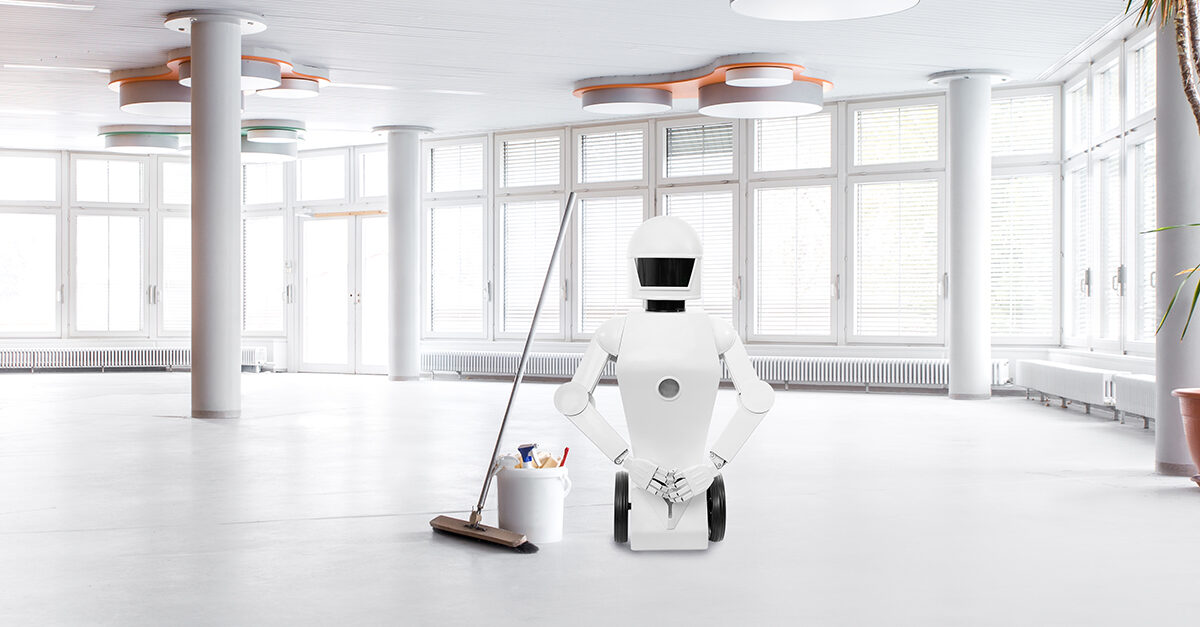
New technologies are rapidly transforming the cleaning industry, making it more efficient, sustainable, and effective. Here are some ways new technologies may change cleaning:
1. Robotics and Automation
- Autonomous Cleaning Robots: Robotic vacuum cleaners, mops, and window cleaners are becoming more advanced. These devices can navigate spaces independently, adapting to different surfaces and obstacles.
- Commercial Cleaning Robots: In larger spaces like airports and shopping malls, robotic floor cleaners can operate continuously, reducing the need for human intervention.
2. Smart Cleaning Devices
- IoT Integration: Smart cleaning devices connected to the Internet of Things (IoT) can be controlled remotely via smartphones. They can schedule cleaning tasks, monitor cleanliness levels, and even order supplies automatically when they run low.
- Sensors and AI: Smart vacuums and other cleaning devices are increasingly equipped with sensors and AI that enable them to detect dirt levels, map rooms, and avoid obstacles more effectively.
3. Advanced Cleaning Materials
- Self-Cleaning Surfaces: Innovations in materials science have led to the development of surfaces that are easier to clean or even self-cleaning. For example, certain coatings can repel dirt or break down organic materials through exposure to light.
- Antimicrobial and Virus-Killing Materials: New cleaning products and coatings can actively kill bacteria, viruses, and other pathogens, reducing the need for constant disinfection.
4. Green Cleaning Technologies
- Eco-Friendly Cleaning Agents: Biodegradable and non-toxic cleaning agents are being developed to reduce the environmental impact of cleaning. These agents are often derived from natural sources and are safer for both users and the environment.
- Water-Based Cleaning Systems: Technologies like electrolyzed water systems can clean and disinfect surfaces without the use of traditional chemical cleaners, making the process more sustainable.
5. UV-C and Electrostatic Disinfection
- UV-C Light Disinfection: UV-C light has been increasingly used for its ability to kill germs on surfaces and in the air. Portable UV-C devices can disinfect spaces quickly and without chemicals.
- Electrostatic Sprayers: These devices charge cleaning solutions so they adhere better to surfaces, ensuring even coverage and more effective disinfection, particularly in large or complex spaces.
6. Artificial Intelligence and Data Analytics
- Predictive Maintenance: AI can analyze data from cleaning machines and sensors to predict when maintenance is needed, reducing downtime and improving efficiency.
- Customized Cleaning Plans: AI can help create customized cleaning schedules based on the specific needs of a space, optimizing the use of resources and ensuring consistent cleanliness.
7. Virtual and Augmented Reality
- Training and Simulation: VR and AR can be used to train cleaning staff more effectively by simulating different cleaning scenarios, helping workers learn proper techniques without wasting materials or exposing themselves to hazards.
- Visual Guides: AR can provide visual overlays for workers, guiding them in real-time as they clean, ensuring that they don’t miss spots or use incorrect methods.
8. Waste Reduction Technologies
- Recycling and Waste Sorting Robots: In facilities where large amounts of waste are produced, robots can help sort recyclables from trash, reducing waste and improving sustainability.
- Efficient Resource Use: Smart systems can monitor the usage of water, energy, and cleaning products to reduce waste and improve efficiency.
These advancements are likely to make cleaning processes faster, safer, more efficient, and more environmentally friendly, transforming the way both residential and commercial cleaning is conducted.
