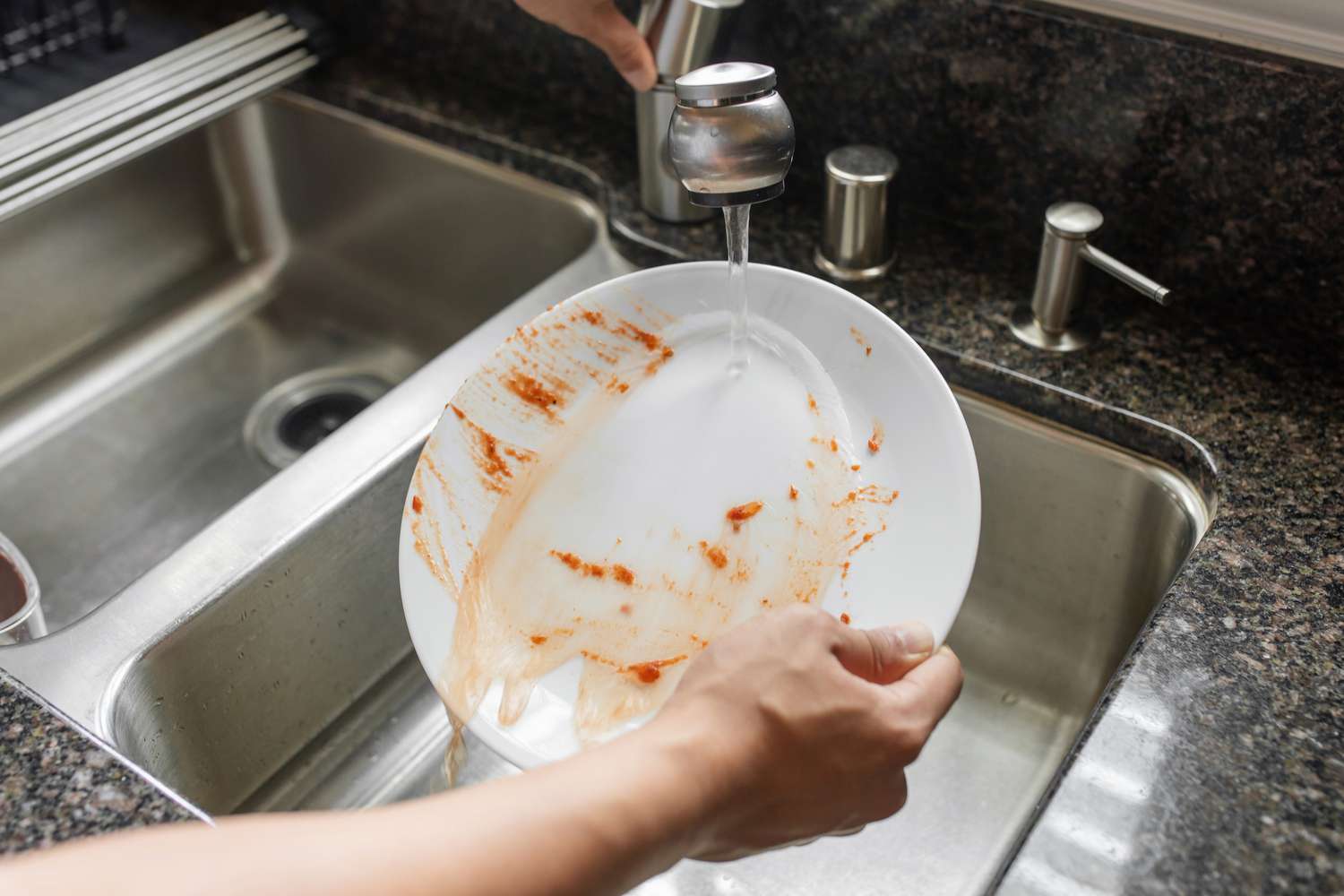
Washing dishes by hand seems straightforward, but there are a few mistakes that can affect hygiene, dishware longevity, and your health. Here are things you should never do when washing dishes by hand:
1. Never Use Cold Water for Greasy Dishes
- Cold water can cause grease to solidify, making it harder to remove and less effective at cleaning. Always use hot, soapy water to cut through grease and thoroughly clean your dishes.
2. Never Use a Dirty Sponge or Dishcloth
- Sponges and dishcloths can harbor bacteria if not cleaned and replaced regularly. Never use an old, dirty sponge as it can spread bacteria onto your clean dishes.
- Replace sponges every 1-2 weeks, and disinfect them between uses by microwaving them for a minute or soaking them in bleach water.
3. Never Skip Rinsing Dishes Before Washing
- Failing to rinse dishes before washing allows food particles to mix with the soap and water, which can make the cleaning process less effective and leave residues.
- Scrape off large food debris and give dishes a quick rinse to remove loose bits.
4. Never Use Too Much Soap
- Using too much dish soap can make it difficult to rinse off completely, leaving soap residue on your dishes. This can affect the taste of food and may even irritate sensitive stomachs.
- A small amount of dish soap is often enough. If the water isn’t getting sudsy, it’s usually a sign that the water is too dirty rather than a lack of soap.
5. Never Overload the Sink
- Overloading your sink with too many dishes at once can make it harder to clean each item properly and may lead to scratches or breakages. Dishes can also trap food particles, which float around and re-contaminate other items.
- Wash dishes in smaller batches to give each item the attention it needs.
6. Never Leave Knives Loose in Soapy Water
- Leaving sharp knives submerged in soapy water is dangerous because you might not see them and could cut yourself. Always wash sharp knives separately and immediately after use, or lay them safely on the counter.
7. Never Use the Same Water for Everything
- Dirty dishwater quickly becomes contaminated with food particles and grease. Reusing the same water for all your dishes can spread bacteria and leave your plates and utensils less than clean.
- Change the water when it becomes greasy or full of food debris, and make sure you’re using fresh soapy water for every load.
8. Never Forget to Rinse Off All Soap
- Leaving soap residue on dishes can be harmful if ingested and can also leave an unpleasant soapy taste. Make sure you thoroughly rinse every item with clean water before drying.
9. Never Mix Cleaning Chemicals
- Avoid combining cleaning products like bleach and ammonia, as this can create toxic fumes that are dangerous to inhale.
- Stick to dish soap, and if you need to sanitize your sink or sponges with bleach, use it in a diluted solution with water.
10. Never Wash Nonstick or Cast Iron Cookware Harshly
- Using abrasive sponges or steel wool on nonstick pans or cast iron cookware can damage the surface. Nonstick pans should be washed with gentle sponges to avoid scratching, while cast iron pans should not be soaked in water to prevent rusting.
- Clean cast iron with a stiff brush and a small amount of soap if necessary, and always dry it immediately to avoid rust.
11. Never Let Dishes Air-Dry on a Wet Towel or Surface
- Leaving clean dishes to air-dry on a wet or dirty towel or surface can cause bacteria to grow and undo your hard work. Make sure you place dishes on a clean, dry drying rack or use a clean towel for drying.
12. Never Leave Wooden Utensils and Cutting Boards Soaking
- Wooden items like spoons, cutting boards, and bowls should not be left soaking in water, as this can cause them to warp, crack, or grow mold.
- Wash wooden items quickly, rinse thoroughly, and dry them immediately with a towel to prolong their lifespan.
13. Never Use Harsh Cleaners on Delicate Glassware
- Fragile glassware like wine glasses can easily scratch or break if washed with harsh, abrasive cleaners or scrubbers. Use a soft sponge or cloth and wash these items separately from heavier dishes to avoid damage.
14. Never Forget to Clean the Sink After Dishwashing
- A dirty sink can breed bacteria, even if it looks clean. After washing dishes, disinfect the sink with hot water and a cleaner (such as vinegar, baking soda, or bleach) to ensure that it remains sanitary.
15. Never Leave Dishes Sitting in Water Too Long
- Soaking dishes for too long, especially in lukewarm or cold water, allows bacteria to grow. Soaking is useful for stubborn, stuck-on food, but don’t let dishes sit overnight in dirty water.
- Try to wash dishes soon after meals, or rinse and stack them for later cleaning in a more hygienic way.
16. Never Wash Crystal, Silverware, or Fine China with Regular Dish Soap
- Fine crystal, silverware, and china should be treated carefully. Regular dish soap and harsh scrubbing can damage delicate materials. Use a mild detergent specifically designed for these items, and wash them by hand, not in the dishwasher.
By avoiding these common mistakes, you can keep your dishes not only clean but also in good condition for longer, while ensuring proper hygiene in your kitchen.
