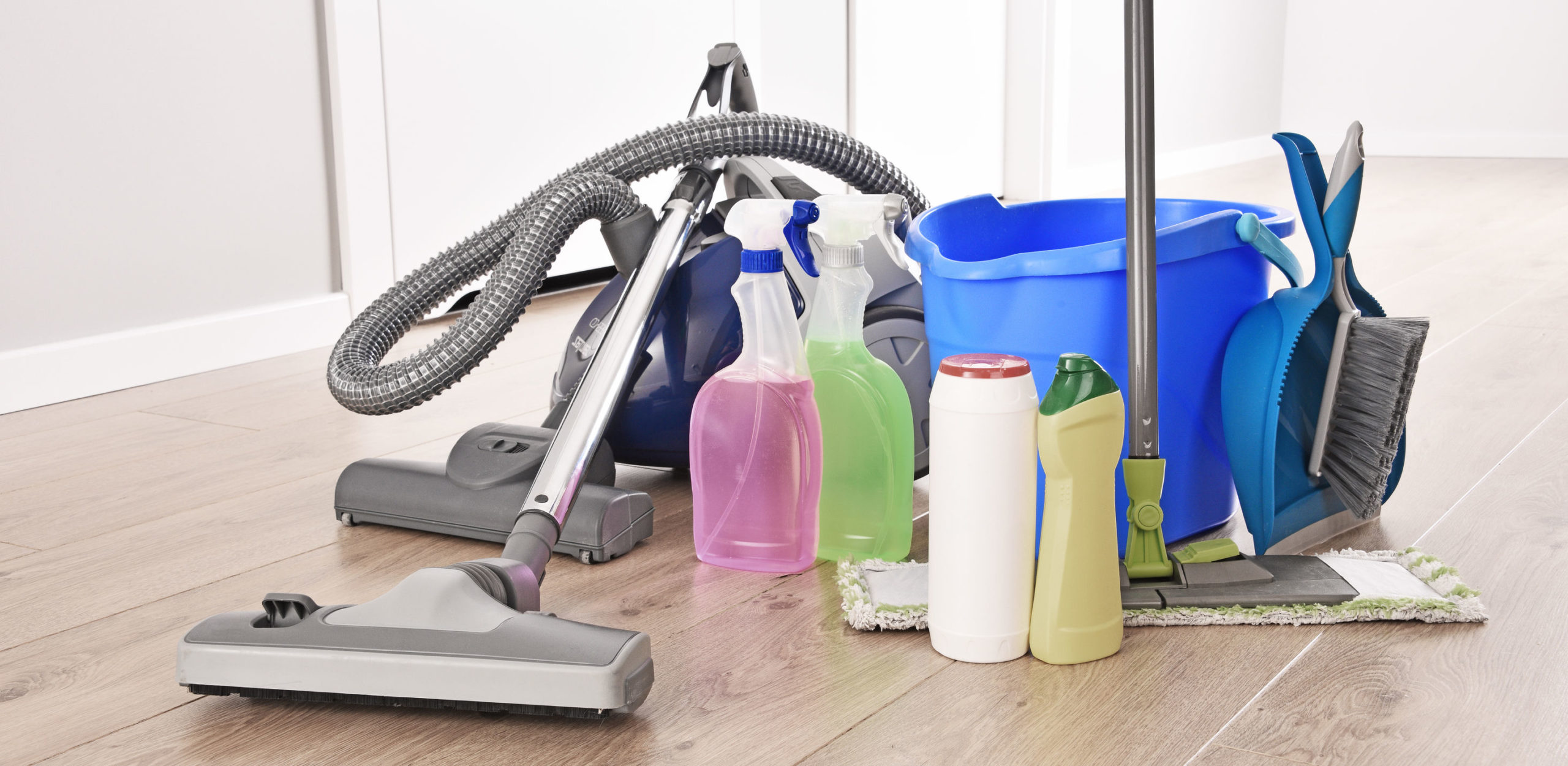
Running a cleaning business requires the right tools and equipment to ensure efficient operations, high-quality service, and customer satisfaction. Here’s a list of essential tools and resources for managing and growing your cleaning business:
1. Cleaning Equipment and Supplies
General Cleaning Tools:
- Vacuum Cleaners: Commercial-grade vacuums with powerful suction for carpets, hard floors, and upholstery. Consider backpack vacuums for easier movement in large spaces.
- Mops and Buckets: Heavy-duty mop systems, including microfiber flat mops, spin mops, and string mops for different floor types.
- Brooms and Dustpans: High-quality brooms and dustpans for sweeping hard surfaces.
- Dust Mops: Large mops for dry dusting floors in commercial or residential spaces.
- Cleaning Cloths and Sponges: Microfiber cloths, non-abrasive sponges, and scrubbing pads for wiping down surfaces.
- Squeegees: For cleaning windows, mirrors, and shower doors without leaving streaks.
- Scrub Brushes: Soft and stiff-bristle brushes for scrubbing tough stains on tiles, grout, and other surfaces.
- Toilet Brushes and Bowl Cleaners: Essential for bathroom cleaning.
Floor Cleaning Equipment:
- Floor Scrubbers: For large commercial or industrial spaces that require more intensive floor cleaning.
- Carpet Cleaners/Extractors: Portable machines for deep cleaning carpets and removing stains.
- Pressure Washers: For outdoor cleaning, such as patios, driveways, or building exteriors.
Chemical Cleaning Products:
- All-Purpose Cleaners: Suitable for a variety of surfaces (countertops, walls, floors, etc.).
- Glass Cleaners: For streak-free window and mirror cleaning.
- Disinfectants: For high-touch areas, especially in bathrooms, kitchens, and healthcare facilities.
- Floor Cleaners: Products specific to the types of flooring (wood, tile, laminate, etc.) you’re cleaning.
- Degreasers: For heavy-duty kitchen cleaning and removing grease from surfaces.
- Stain Removers: For treating carpet, upholstery, and fabric stains.
- Toilet and Bathroom Cleaners: Specialized cleaners for cleaning and disinfecting toilets, showers, and sinks.
Protective Gear:
- Gloves: Nitrile or latex gloves to protect hands from chemicals.
- Masks and Goggles: For protection when working with strong cleaning chemicals.
- Aprons or Coveralls: To protect clothing while cleaning.
2. Operational Tools
Cleaning Scheduling Software:
- Job Scheduling and Booking Systems: Tools like Jobber, Housecall Pro, or ZenMaid help automate the process of scheduling cleaning jobs, managing appointments, and sending reminders.
- Online Booking: Set up online booking through your website or use platforms like Booksy to let customers book services online.
Invoicing and Payment Tools:
- Billing Software: Software like QuickBooks, FreshBooks, or Wave makes it easy to send invoices, track payments, and manage accounting for your cleaning business.
- Mobile Payment Systems: Accept payments on the go using tools like Square, PayPal Here, or Stripe.
- Recurring Billing: Set up automated billing for clients who have regular cleaning services.
CRM (Customer Relationship Management) Tools:
- Client Management: Use a CRM system like HubSpot or Zoho to keep track of customer information, preferences, and service history. This helps with personalized service and follow-ups.
- Marketing Automation: CRM tools can help automate email marketing campaigns, loyalty programs, and promotional offers to engage your clients.
3. Marketing and Branding Tools
Website and Online Presence:
- Website Builder: Platforms like Wix, Squarespace, or WordPress make it easy to create a professional website for your cleaning business. Make sure to include service descriptions, pricing, testimonials, and a booking system.
- SEO Tools: Use tools like Moz or SEMrush to optimize your website for search engines, so potential customers can find your services easily.
- Google My Business: Set up a Google My Business profile to improve local search visibility and attract nearby clients. Include your hours, location, and reviews.
Social Media Management:
- Social Media Tools: Use platforms like Buffer or Hootsuite to schedule and manage your social media posts on Facebook, Instagram, or LinkedIn, promoting your services, tips, and before/after cleaning shots.
- Paid Ads: Run targeted Google Ads, Facebook Ads, or Instagram Ads to reach potential customers in your local area.
4. Transportation and Logistics
- Reliable Vehicle: A van or small truck to transport cleaning equipment and supplies. Consider branding it with your company logo and contact information for additional advertising.
- GPS and Route Planning: Use tools like Google Maps or Waze for route planning to optimize travel time between cleaning jobs.
- Storage Solutions: Use bins, shelves, or storage racks in your vehicle to organize and secure your cleaning supplies and equipment.
5. Staff Management Tools
Time Tracking and Payroll:
- Employee Scheduling Software: Tools like Deputy, TSheets, or Sling make it easy to schedule your staff, track their hours, and manage time-off requests.
- Payroll Systems: Use payroll tools like Gusto or ADP to handle employee payments, taxes, and compliance.
Training and Documentation:
- Standard Operating Procedures (SOPs): Develop cleaning checklists and training manuals to ensure consistency and quality control across jobs.
- Online Training Resources: Provide access to training videos, webinars, or certification programs (like OSHA) to improve skills and knowledge.
6. Legal and Compliance Tools
Insurance:
- Business Insurance: Ensure your cleaning business has general liability insurance and workers’ compensation coverage. Providers like Hiscox or Next Insurance specialize in small business policies.
- Bonding: Consider getting your business bonded to provide extra trust and security for clients.
Licensing and Permits:
- Business Licenses: Make sure your cleaning business is properly licensed based on your state or city requirements.
- Contracts and Legal Documents: Use templates from platforms like Rocket Lawyer or LegalZoom to draft client contracts, service agreements, and liability waivers.
7. Miscellaneous Essentials
- Janitorial Carts: For commercial cleaning, use carts to carry all your supplies and tools efficiently around large spaces.
- Ladders or Step Stools: To reach high places, such as windows, fans, and light fixtures.
- Trash Bags and Liners: For waste removal during cleanups, especially when offering janitorial or commercial cleaning services.
By equipping your cleaning business with the right tools and resources, you can ensure efficient operations, offer superior service, and enhance customer satisfaction.
