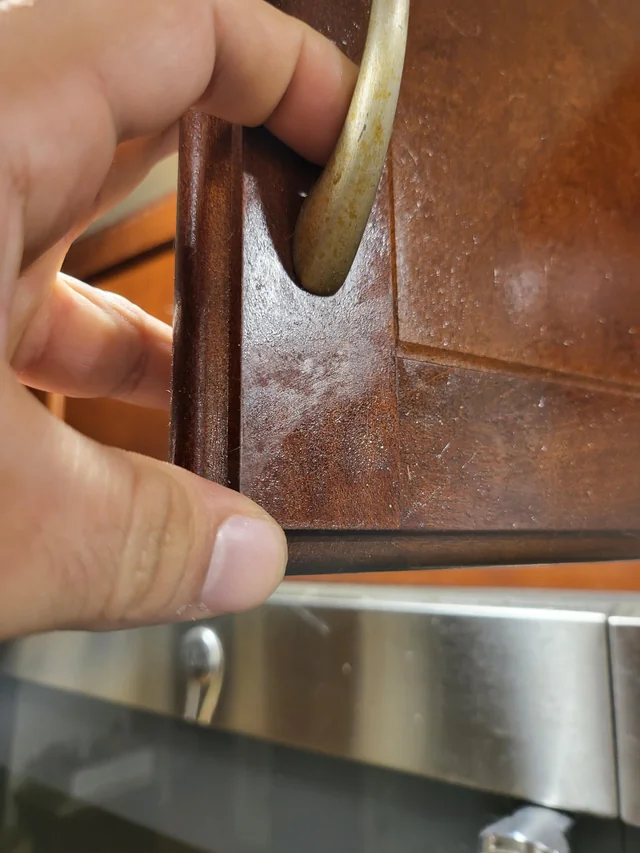
Grease buildup on kitchen cabinets can be tough to clean, especially near cooking areas. Here’s a step-by-step guide on how to effectively remove grease from your kitchen cabinets using common household products.
Materials Needed:
- Dish soap (preferably one that cuts grease, like Dawn)
- Baking soda
- White vinegar
- Warm water
- Soft sponge or microfiber cloth
- Scrub brush (optional for tougher stains)
- Spray bottle (optional)
- Toothbrush (for hard-to-reach areas)
- Dry microfiber cloth or paper towels
- Vegetable oil (optional for finishing)
Step-by-Step Guide to Remove Grease from Kitchen Cabinets:
1. Prepare a Dish Soap Solution
- Mix Dish Soap and Warm Water: In a bowl or bucket, combine a few drops of grease-cutting dish soap with warm water. Dish soap is effective in breaking down grease without damaging the cabinet surface.
- Dampen a Sponge or Cloth: Dip a soft sponge or microfiber cloth into the soapy water, wring it out to avoid excess water, and wipe down the cabinets.
Pro Tip: Avoid soaking the cabinets with too much water, especially if they are wood, to prevent warping.
2. Scrub the Greasy Areas
- Gently Scrub the Cabinets: Using the damp sponge, gently scrub the cabinet doors, handles, and any greasy spots. Focus on areas near the stove or where grease splatters are common.
- Use a Toothbrush for Crevices: For grooves, corners, or around cabinet hardware, use an old toothbrush dipped in the dish soap solution to reach those tight spots.
3. Tackle Tough Grease with Baking Soda
- Create a Baking Soda Paste: For stubborn grease spots, mix baking soda with a small amount of water to create a paste. Baking soda acts as a gentle abrasive to help scrub away grease without scratching surfaces.
- Apply and Scrub: Apply the baking soda paste to the greasy area and gently scrub using a soft sponge or brush. Let the paste sit for a few minutes before scrubbing if the grease is thick.
- Wipe Clean: After scrubbing, wipe away the paste with a damp cloth and rinse the area with clean water.
Pro Tip: Baking soda is especially useful for older grease buildup or sticky residue that has been there for a long time.
4. Use Vinegar for Extra Cleaning Power
- Spray Vinegar Solution: If you prefer a natural cleaner, mix equal parts of white vinegar and warm water in a spray bottle. Spray this solution directly onto the greasy areas.
- Wipe Down with a Sponge: Use a sponge or cloth to wipe down the cabinets. Vinegar helps cut through grease and leaves the surface clean.
- Rinse and Dry: Rinse the cabinets with a cloth dampened in clean water and then dry with a microfiber cloth.
Pro Tip: Vinegar is great for cutting through grease and disinfecting at the same time. However, avoid using vinegar on unsealed wood or stone surfaces, as it can damage the finish.
5. Buff with Vegetable Oil (Optional)
- Apply a Small Amount of Oil: If you’re cleaning wood cabinets and want to restore their shine, you can apply a small amount of vegetable oil or mineral oil after cleaning. Simply apply a few drops to a cloth and buff the cabinets in the direction of the grain.
- Wipe Off Excess: Use a clean cloth to remove any excess oil. This will help protect the wood and give it a nice sheen, as well as repel future grease buildup.
Pro Tip: Use oil sparingly to avoid a greasy residue. This is especially helpful for older wood cabinets.
6. Final Rinse and Dry
- Wipe Down with Clean Water: Once all the grease is removed, use a damp cloth soaked in clean water to remove any leftover soap, baking soda, or vinegar.
- Dry with a Microfiber Cloth: Dry the cabinets thoroughly to prevent water spots and to protect the cabinet finish.
Additional Tips for Grease Removal:
- Regular Maintenance: Wipe down your cabinets regularly to prevent grease buildup. A simple wipe with a damp cloth and dish soap once a week can help avoid heavy grease accumulation.
- Use Cabinet Liners: Consider placing liners on the inside of cabinets to protect the surfaces from grease and spills.
- Avoid Harsh Chemicals: Stay away from harsh chemicals like bleach or ammonia, especially on wood cabinets, as they can damage the finish.
- Test a Small Area: Before using any cleaner, especially on wooden or painted cabinets, test a small, inconspicuous area to ensure the cleaner won’t damage the surface.
By following these steps, you can effectively remove grease and maintain the cleanliness and longevity of your kitchen cabinets.
