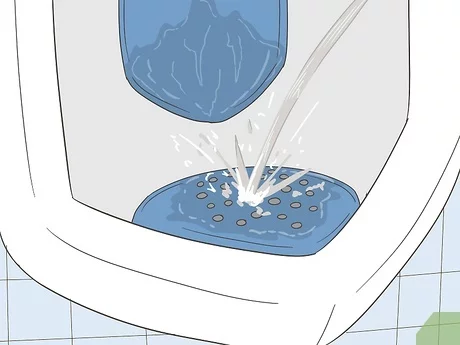
Urine splashes can be unpleasant to deal with, but with the right techniques and tools, you can effectively clean up and prevent stains or odors. Here are some practical tips for handling urine splashes in the bathroom:
1. Clean Up Quickly
- Act fast: The quicker you clean up the urine splash, the easier it is to prevent stains and odors from setting in.
- Use paper towels: Start by blotting the area with paper towels or a cloth to soak up as much of the urine as possible.
2. Use a Disinfectant Cleaner
- Choose the right cleaner: Use a disinfectant cleaner specifically designed for bathrooms, or make a homemade cleaner with ingredients you likely already have.
- Homemade cleaner: Mix equal parts water and white vinegar, which works well on urine because vinegar neutralizes the ammonia.
- Wipe and scrub: After spraying the cleaner on the affected area, use a sponge or cloth to wipe it away. Make sure to scrub around the toilet base, seat, and floor where splashes tend to occur.
3. Target Lingering Odors
- Baking soda for odors: Sprinkle baking soda on the affected area after cleaning if you notice lingering odors. Leave it on for 10-15 minutes, then wipe or vacuum it up. Baking soda is a natural deodorizer.
- Vinegar spray: After cleaning, mist the area with a vinegar spray to neutralize any remaining odor. Let it air dry.
4. Clean Grout and Tile Seams
- Scrub the grout: If the urine splash lands on tiled floors or walls, the grout can absorb urine and hold odors. Use an old toothbrush or a small scrub brush with a mixture of vinegar and baking soda to scrub grout lines.
5. Clean the Toilet Thoroughly
- Under the seat and hinges: Remove the toilet seat if necessary to clean around the hinges and underside. These areas often trap urine splashes.
- Disinfect the base: Don’t forget to clean the base of the toilet, as urine can splash and collect there over time.
6. Use Enzyme Cleaners for Tough Odors
- Enzyme-based cleaners: These cleaners are particularly effective for breaking down urine proteins and eliminating odors at the source. They are often used for pet accidents but work just as well for human urine.
- How to use: Spray the enzyme cleaner on the urine splash area and let it sit for at least 10-15 minutes before wiping it up.
7. Regular Maintenance
- Daily wipe-down: Consider doing a quick wipe-down of the toilet and surrounding areas daily or every few days to prevent urine buildup. Keep disinfectant wipes handy for easy, frequent cleaning.
- Mop floors regularly: Mop the bathroom floor with a disinfectant cleaner weekly, focusing on areas near the toilet where splashes occur.
8. Use Toilet Splash Guards or Mats
- Toilet splash guard: You can purchase splash guards that fit onto the toilet bowl, reducing splashes and helping to keep the floor and toilet base clean.
- Toilet mats: Consider placing washable, absorbent mats around the base of the toilet. These can catch any accidental splashes and can be easily washed.
9. Prevent Future Splashing
- Educate household members: Encourage everyone in the household to aim carefully and clean up after themselves. For small children, consider using toilet training aids to reduce splashes.
- Lower the seat: Remind male users to lower the toilet seat to avoid splashes outside the bowl.
10. Deep Clean Weekly
- Deep clean at least once a week: Make sure to do a thorough cleaning of the entire bathroom once a week to prevent any urine splash buildup.
- Focus on areas around the toilet, the floor, and even nearby walls that may have caught tiny splashes.
By using these tips and maintaining a regular cleaning schedule, you can keep urine splashes under control, eliminate odors, and maintain a fresh, hygienic bathroom.
