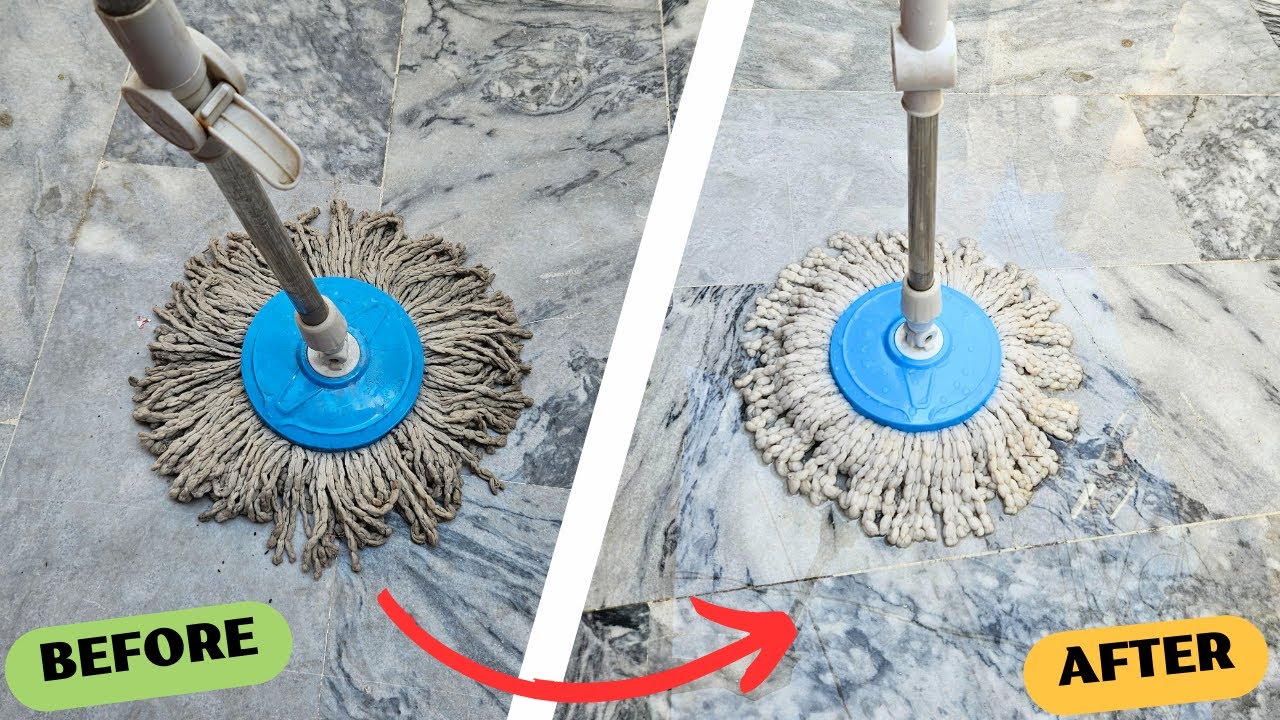
Keeping your mop clean is essential for ensuring that it works effectively and doesn’t spread dirt or bacteria around your floors. Here are some tips on how to clean and maintain your mop properly:
1. Rinse Immediately After Use
- Rinse the mop head: After every use, thoroughly rinse the mop head under hot running water. This helps remove dirt, grime, and cleaning solution.
- Wring it out: Squeeze out as much water as possible to prevent mildew growth.
2. Wash with Soap or Detergent
- Soak the mop: Fill a bucket or sink with hot water and add a small amount of dish soap or laundry detergent. Soak the mop head for 10-15 minutes to help break down any built-up dirt.
- Agitate gently: Swirl the mop head in the water to loosen any stuck debris or grime.
3. Use a Disinfectant
- Disinfect the mop: Soak the mop in a disinfectant solution (such as diluted bleach or vinegar) to kill any bacteria or germs. A mixture of 1 cup of bleach per gallon of water or a solution of equal parts vinegar and water will work well.
- Let it soak: Let the mop sit in the solution for 10-15 minutes to ensure it is properly disinfected.
4. Machine Wash (for Removable Mop Heads)
- Check if it’s machine washable: Many mops with removable heads can be machine-washed. Check the manufacturer’s label to confirm.
- Use a gentle cycle: If it’s safe for the washing machine, wash the mop head on a gentle cycle with hot water and a mild detergent. You can also add a small amount of bleach for extra disinfection.
- Avoid fabric softeners: Skip fabric softeners, as they can leave a residue that affects the mop’s absorbency.
5. Rinse Thoroughly
- After washing, rinse the mop head thoroughly to remove any remaining soap, detergent, or disinfectant. This prevents sticky residue from being left on your floors during the next use.
6. Dry Completely
- Air dry the mop: After cleaning, wring out as much water as possible and hang the mop head to air dry completely. Drying it in a well-ventilated area (preferably outside in the sun) will help prevent the growth of mold and mildew.
- Avoid storing damp: Never store a wet or damp mop, as this can lead to bad odors, bacteria growth, and damage to the fibers.
7. Replace When Necessary
- Replace the mop head: Even with regular cleaning, mop heads wear out over time. Replace your mop head regularly (every 2-3 months or sooner if it’s showing signs of wear, shedding, or smells bad despite cleaning).
Additional Tips:
- Store the mop properly: Store your mop in a dry, ventilated area with the mop head facing upwards to prevent mildew growth.
- Rinse during use: If you’re mopping a large area, rinse and wring out the mop frequently to prevent spreading dirt around.
- Clean the bucket: Don’t forget to clean and disinfect the bucket after every use to ensure it stays sanitary for the next cleaning session.
By following these tips, your mop will stay cleaner and more effective, helping you maintain a hygienic home.
