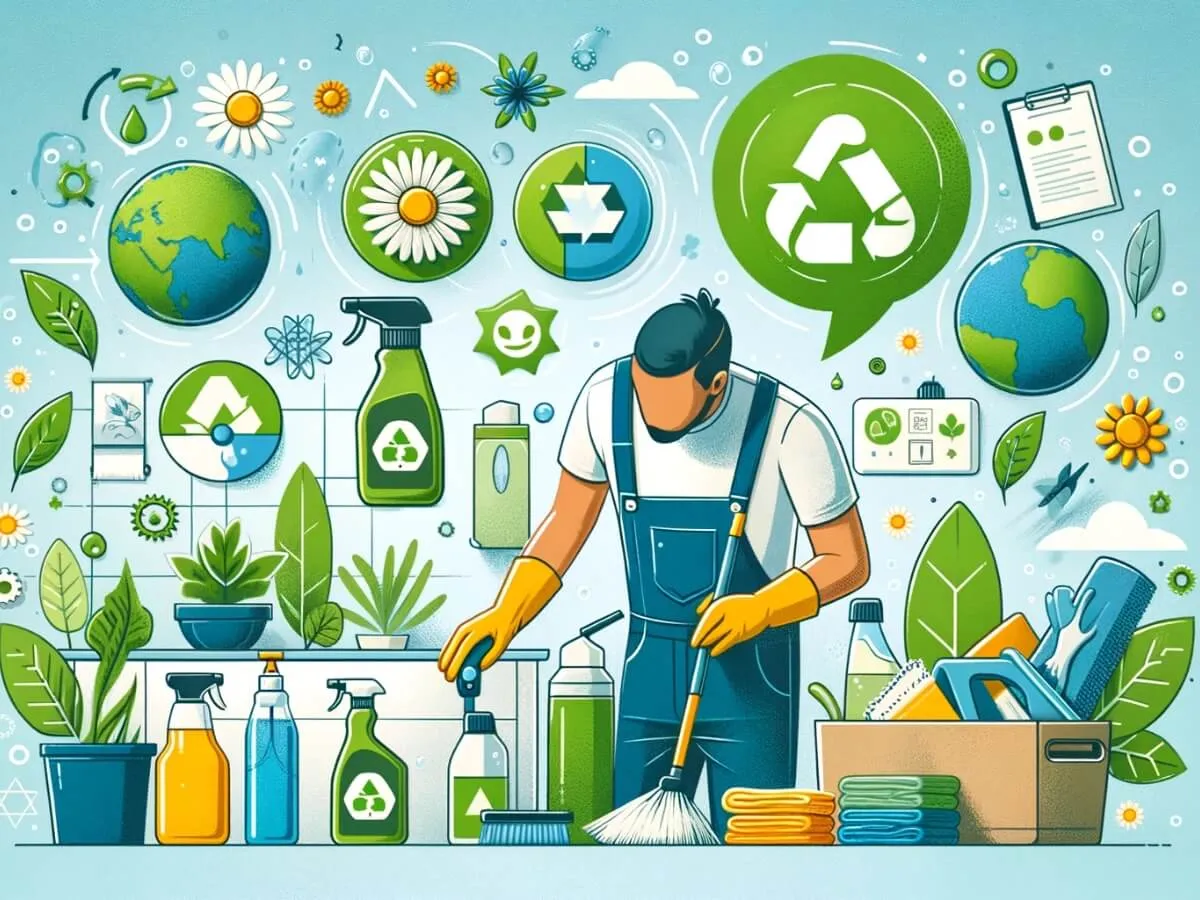
Green cleaning and sustainability in aircraft maintenance involve using environmentally friendly products, practices, and procedures to reduce the environmental impact of cleaning operations while maintaining high standards of hygiene and safety. Here are key strategies and best practices for implementing green cleaning and sustainability in aircraft maintenance:
1. Use of Eco-Friendly Cleaning Products
Characteristics of Green Cleaning Products
- Biodegradable: Products that break down naturally and do not persist in the environment.
- Non-Toxic: Free from harmful chemicals that can pose health risks to humans and wildlife.
- Low-VOC (Volatile Organic Compounds): Products that emit fewer pollutants into the air, improving air quality.
Examples
- Plant-Based Cleaners: Use cleaners derived from natural ingredients like citrus, vinegar, and essential oils.
- Enzyme-Based Cleaners: Employ enzymes to break down organic matter effectively without harsh chemicals.
- Eco-Certified Products: Choose products certified by recognized eco-labels such as Green Seal, EcoLogo, or Safer Choice.
2. Efficient Use of Resources
Water Conservation
- Low-Flow Devices: Install low-flow faucets and hose nozzles to reduce water consumption.
- Water Recycling Systems: Use systems that recycle and filter water for reuse in cleaning operations.
- Dry Cleaning Methods: Employ dry or minimal-water cleaning methods where appropriate.
Energy Efficiency
- Energy-Efficient Equipment: Use energy-efficient vacuum cleaners and other electrical cleaning equipment.
- Scheduled Cleaning: Plan cleaning operations during off-peak hours to reduce energy demand.
3. Waste Reduction
Minimizing Waste
- Bulk Purchasing: Buy cleaning products in bulk to reduce packaging waste.
- Reusable Supplies: Use reusable cleaning cloths, mop heads, and other supplies instead of disposable ones.
- Proper Disposal: Dispose of cleaning chemicals and waste according to local environmental regulations to prevent pollution.
Recycling Programs
- Separate Waste Streams: Implement recycling programs for paper, plastic, glass, and metal waste generated during cleaning.
- Compost Organic Waste: Compost biodegradable waste where possible.
4. Sustainable Cleaning Practices
Training and Education
- Staff Training: Educate cleaning staff on green cleaning techniques and the proper use of eco-friendly products.
- Sustainability Awareness: Promote a culture of sustainability among all staff members.
Cleaning Techniques
- Microfiber Cloths: Use microfiber cloths that require less water and chemicals than traditional cleaning cloths.
- Spot Cleaning: Focus on spot cleaning to address specific areas rather than cleaning the entire area unnecessarily.
- Preventive Maintenance: Implement preventive maintenance to reduce the need for intensive cleaning and repairs.
5. Indoor Air Quality
Air Quality Improvement
- Non-Aerosol Products: Use non-aerosol cleaning products to reduce airborne pollutants.
- Ventilation: Ensure proper ventilation during and after cleaning to disperse any residual chemicals and improve air quality.
6. Sustainable Procurement
Green Procurement Policies
- Eco-Friendly Vendors: Source products from vendors committed to sustainability and environmental responsibility.
- Product Life Cycle: Consider the entire life cycle of cleaning products, from production to disposal, to minimize environmental impact.
7. Certifications and Standards
Green Certifications
- LEED (Leadership in Energy and Environmental Design): Aim for LEED certification for your facilities by meeting green building standards.
- ISO 14001: Implement an Environmental Management System (EMS) according to ISO 14001 standards.
8. Continuous Improvement
Monitoring and Evaluation
- Track Progress: Monitor the effectiveness of green cleaning practices and make adjustments as needed.
- Feedback Loop: Solicit feedback from cleaning staff and passengers to identify areas for improvement.
Innovation
- Stay Updated: Keep abreast of new developments in green cleaning technologies and practices.
- Adopt Innovations: Implement new technologies and methods that enhance sustainability and efficiency.
Conclusion
Adopting green cleaning and sustainability practices in aircraft maintenance not only helps protect the environment but also promotes a healthier workplace, reduces operational costs, and enhances the overall passenger experience. By using eco-friendly products, conserving resources, reducing waste, and maintaining high indoor air quality, airlines can achieve their sustainability goals while maintaining the cleanliness and safety of their aircraft.
