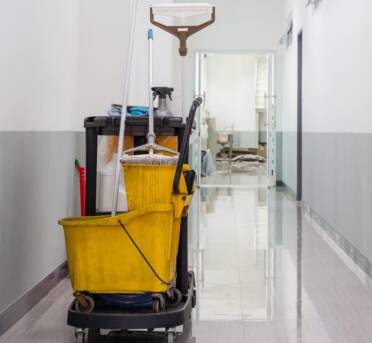
Maintaining cleanliness in a hotel is crucial for guest satisfaction and overall hygiene. Here are some common practices that hotels employ to ensure cleanliness:
1. Daily Housekeeping Services
Room Cleaning
- Bed Making: Housekeeping staff change linens, make beds, and ensure pillows and blankets are properly arranged.
- Dusting and Wiping: Dust all surfaces, including furniture, lamps, and decor. Wipe down all surfaces with disinfectant.
- Bathroom Cleaning: Thoroughly clean and disinfect toilets, sinks, showers, and bathtubs. Replace used towels with fresh ones and replenish toiletries.
- Vacuuming and Mopping: Vacuum carpets and rugs; sweep and mop hard floors.
- Trash Removal: Empty trash cans and replace liners.
2. Deep Cleaning Protocols
Regular Deep Cleaning
- Carpet Cleaning: Schedule regular deep carpet cleaning to remove dirt and stains.
- Upholstery Cleaning: Clean upholstered furniture to remove dust, stains, and odors.
- Curtains and Drapes: Clean or launder curtains and drapes periodically.
- Window Cleaning: Ensure windows and glass doors are regularly cleaned inside and out.
3. Public Areas Maintenance
Lobby and Common Areas
- Frequent Cleaning: Regularly clean and disinfect high-traffic areas, including lobbies, corridors, elevators, and staircases.
- Floor Maintenance: Sweep, mop, or vacuum floors multiple times a day.
- Sanitizing High-Touch Surfaces: Wipe down door handles, elevator buttons, handrails, and reception counters frequently.
- Furniture Arrangement: Ensure furniture in common areas is clean and arranged neatly.
Restrooms
- Regular Checks: Inspect restrooms frequently to ensure cleanliness and replenish supplies such as soap, paper towels, and toilet paper.
- Disinfection: Clean and disinfect toilets, sinks, mirrors, and floors regularly throughout the day.
4. Kitchen and Dining Area Hygiene
Kitchen Cleaning
- Daily Cleaning: Clean and sanitize all surfaces, utensils, and equipment used in food preparation. Mop floors and clean sinks after each shift.
- Refrigeration: Regularly clean refrigerators and freezers and check for expired items.
- Waste Management: Properly dispose of food waste and ensure trash bins are emptied and cleaned regularly.
Dining Area
- Table and Chair Cleaning: Wipe down tables and chairs after each guest.
- Floor Maintenance: Sweep and mop dining area floors regularly.
- Buffet Hygiene: Clean and sanitize buffet areas frequently, and ensure food is covered and utensils are clean.
5. Laundry Services
Linen and Towel Cleaning
- Regular Laundry: Wash bed linens, towels, and bathrobes after each guest’s stay. Ensure high-temperature washing to kill bacteria.
- Stain Removal: Treat and remove stains before laundering.
Uniforms and Staff Attire
- Clean Uniforms: Ensure staff uniforms are laundered regularly to maintain a professional appearance and hygiene.
6. Pest Control Measures
Regular Inspections
- Scheduled Pest Control: Conduct regular pest control inspections and treatments to prevent infestations.
- Immediate Action: Address any signs of pests immediately to avoid spread.
7. Proper Ventilation and Air Quality
Air Filter Maintenance
- Regular Filter Changes: Replace air filters in HVAC systems regularly to ensure clean air circulation.
- Odor Control: Use air purifiers and odor control products to keep rooms smelling fresh.
8. Guest Involvement and Communication
Housekeeping Preferences
- Towel and Linen Reuse Programs: Encourage guests to participate in eco-friendly practices by reusing towels and linens, reducing the laundry load.
- Feedback Forms: Provide guests with the option to give feedback on cleanliness, allowing the hotel to address any concerns promptly.
9. Staff Training and Supervision
Ongoing Training
- Cleaning Protocols: Train staff on the latest cleaning techniques, products, and safety procedures.
- Health and Safety: Educate staff on proper hygiene practices, such as handwashing and wearing gloves and masks where necessary.
Supervision and Quality Control
- Inspections: Supervisors should regularly inspect rooms and public areas to ensure cleaning standards are met.
- Checklists: Use checklists to ensure all tasks are completed during each cleaning session.
10. Use of Technology
Automated Cleaning
- Cleaning Robots: Utilize robotic vacuum cleaners and automated floor scrubbers for large areas.
- UV Light Sanitizers: Implement UV light technology for sanitizing high-touch surfaces and areas.
Summary
Maintaining cleanliness in a hotel involves a combination of daily housekeeping, deep cleaning, attention to public areas, kitchen hygiene, laundry services, pest control, and staff training. By implementing these practices, hotels can ensure a clean and welcoming environment for guests, enhancing their overall experience and satisfaction.
