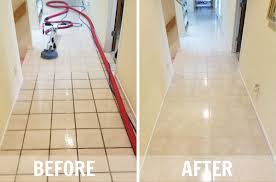
Grout, the material used to fill the spaces between tiles, can become dirty over time due to several factors:
1. Porous Nature: Grout is often made from cement, which is porous. This means it can absorb liquids and dirt easily. When spills or dirty water come into contact with grout, they can seep into the material, leading to stains. 2. Mold and Mildew: In damp environments like bathrooms and kitchens, grout can become a breeding ground for mold and mildew. This can cause dark spots and discoloration, especially in areas with poor ventilation. 3. Soap Scum and Residue: In showers and bathrooms, soap scum and cleaning product residues can accumulate on grout over time, making it look dingy and discolored. 4. Dust and Dirt: In high-traffic areas, dirt and dust can settle into the grout lines, especially if the floor isn’t cleaned regularly. This can cause the grout to darken and look dirty. 5. Improper Cleaning: Using harsh or incorrect cleaning products can damage the grout, making it more susceptible to dirt. Additionally, if grout isn’t sealed properly after installation, it’s more likely to absorb stains. 6. Wear and Tear: Over time, grout can wear down, crack, and become rough, which can trap more dirt and grime, making it look dirty.
