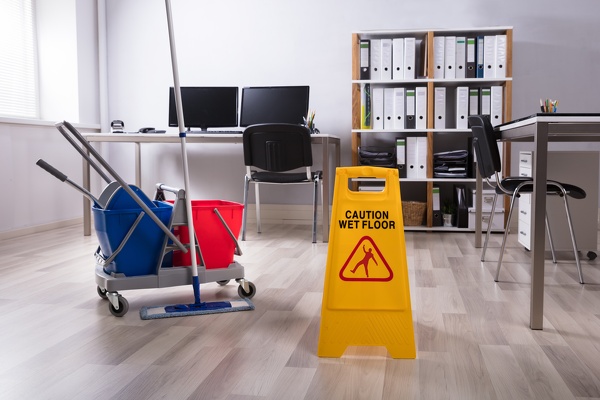
Building cleaning, also known as commercial or facility cleaning, is a comprehensive service that involves maintaining the cleanliness and hygiene of commercial, industrial, and residential buildings. This process is critical for ensuring a safe, healthy, and productive environment for occupants. Here’s a deep dive into the key aspects of building cleaning:
1. Scope of Building Cleaning
- Interior Cleaning: This involves cleaning all indoor areas of a building, including offices, lobbies, restrooms, kitchens, hallways, and other common spaces. The tasks typically include dusting, vacuuming, mopping, disinfecting surfaces, cleaning windows, and maintaining floors.
- Exterior Cleaning: Exterior building cleaning involves maintaining the cleanliness of the building’s facade, windows, entrances, parking lots, and surrounding grounds. This can include pressure washing, window cleaning, graffiti removal, and litter collection.
- Specialized Cleaning: Certain areas require specialized cleaning services, such as deep cleaning for kitchens, cleaning of medical or laboratory spaces, and industrial cleaning for manufacturing plants. This may involve using specialized equipment and cleaning agents.
2. Types of Cleaning Services
- Routine Cleaning: Regular cleaning tasks performed daily, weekly, or bi-weekly to maintain general cleanliness. This includes tasks like emptying trash, cleaning restrooms, vacuuming carpets, and wiping down surfaces.
- Deep Cleaning: A more thorough cleaning process typically done quarterly or bi-annually. Deep cleaning involves more detailed work, such as cleaning behind appliances, washing windows, scrubbing grout, and sanitizing all surfaces.
- Post-Construction Cleaning: After a building has been renovated or constructed, post-construction cleaning removes dust, debris, and construction materials to make the space safe and ready for use.
- Move-In/Move-Out Cleaning: This service is provided when tenants or businesses move in or out of a space, ensuring it’s thoroughly cleaned and sanitized.
- Green Cleaning: This involves using environmentally friendly cleaning products and practices that minimize the environmental impact. Green cleaning is becoming increasingly popular in response to the demand for sustainable practices.
3. Key Areas of Focus
- Restrooms: Restrooms are a primary focus due to their high usage and the potential for spreading germs. Cleaning tasks include disinfecting toilets, sinks, floors, and high-touch surfaces, as well as replenishing supplies like soap and paper towels.
- Common Areas: Lobbies, hallways, and break rooms require regular attention to ensure they are welcoming and safe. Tasks include dusting, vacuuming, mopping, and disinfecting surfaces.
- Workspaces: Office areas need regular cleaning to maintain a hygienic environment. This includes dusting desks, cleaning electronics, vacuuming carpets, and emptying trash.
- Windows and Glass: Clean windows and glass surfaces enhance the appearance of a building. Regular cleaning prevents the buildup of dirt and smudges, ensuring clear visibility and a polished look.
- Floors: Different types of flooring (carpet, tile, hardwood) require specific cleaning methods. Regular vacuuming, mopping, and occasionally, deep cleaning or waxing are essential to maintain the floors’ appearance and durability.
4. Equipment and Techniques
- Vacuum Cleaners: High-efficiency particulate air (HEPA) vacuums are used to trap dust and allergens, making them essential for maintaining indoor air quality.
- Mops and Brooms: Microfiber mops and brooms are commonly used for their efficiency in picking up dirt and debris. Wet mopping is essential for deep cleaning floors.
- Disinfectants: Various disinfectants are used to sanitize surfaces, especially in high-touch areas like door handles, light switches, and restrooms.
- Pressure Washers: For exterior cleaning, pressure washers are used to remove dirt, grime, and mildew from building exteriors, sidewalks, and parking areas.
- Green Cleaning Products: Eco-friendly cleaning agents that are biodegradable and free of harsh chemicals are increasingly used to reduce environmental impact and protect occupant health.
5. Importance of Cleaning Schedules
- Regular Cleaning Schedules: Establishing a regular cleaning schedule is crucial for maintaining a consistently clean environment. This can be daily, weekly, or monthly, depending on the facility’s needs.
- Tailored Plans: Cleaning plans should be customized based on the building’s size, usage patterns, and specific needs. For example, high-traffic areas may require more frequent cleaning.
- Seasonal Cleaning: Certain cleaning tasks are seasonal, such as window washing in the spring or fall, and deep cleaning before or after major holidays.
6. Health and Safety Considerations
- Disinfection Protocols: In light of the COVID-19 pandemic, disinfection protocols have become more rigorous, focusing on high-touch areas to prevent the spread of viruses and bacteria.
- Indoor Air Quality: Regular cleaning helps improve indoor air quality by reducing dust, allergens, and pollutants. Using HEPA filters and green cleaning products also contributes to better air quality.
- Slip and Fall Prevention: Proper cleaning of floors, including immediate cleanup of spills and using the correct cleaning methods, is essential to prevent slips and falls.
- Pest Control: Regular cleaning and proper waste disposal are critical in preventing infestations of pests such as rodents and insects.
7. Challenges in Building Cleaning
- High-Traffic Areas: Maintaining cleanliness in high-traffic areas like lobbies, restrooms, and stairwells can be challenging due to the constant use and dirt accumulation.
- Large Spaces: Cleaning large buildings, such as office complexes or industrial facilities, requires strategic planning, sufficient staffing, and specialized equipment.
- Compliance with Regulations: Commercial cleaning services must adhere to health and safety regulations, particularly in sectors like healthcare, food service, and manufacturing.
- Sustainability: Balancing effective cleaning with environmentally friendly practices can be challenging, especially in facilities with stringent cleanliness standards.
8. Trends in Building Cleaning
- Automation and Robotics: The use of automated cleaning equipment, such as robotic vacuums and floor scrubbers, is on the rise, enhancing efficiency and consistency in large facilities.
- Smart Cleaning: Integration of technology, such as IoT devices, to monitor cleaning needs in real-time and optimize cleaning schedules based on occupancy and usage patterns.
- Focus on Sustainability: Increasing demand for green cleaning services, with a focus on using sustainable products, reducing water usage, and minimizing waste.
9. Choosing a Building Cleaning Service
- Reputation and Experience: Select a cleaning service with a strong reputation and experience in the specific type of building or facility you manage.
- Certifications and Training: Ensure the cleaning staff is trained and certified, especially for specialized cleaning tasks. Look for certifications like the Cleaning Industry Management Standard (CIMS).
- Customizable Services: Choose a service provider that offers customizable cleaning plans tailored to your building’s needs.
- Quality Assurance: A reliable cleaning service should have quality assurance programs in place to consistently deliver high standards of cleanliness.
Building cleaning is a complex and essential service that requires a strategic approach, specialized knowledge, and the right tools and techniques to maintain a clean, safe, and healthy environment for all occupants.
