Tag: Building Cleaning

Tag: Building Cleaning

Deep dive into building cleaning

Building cleaning, also known as commercial or facility cleaning, is a comprehensive service that involves maintaining the cleanliness and hygiene of commercial, industrial, and residential buildings. This process is critical for ensuring a safe, healthy, and productive environment for occupants. Here’s a deep dive into the key aspects of building cleaning:

1. Scope of Building Cleaning

  • Interior Cleaning: This involves cleaning all indoor areas of a building, including offices, lobbies, restrooms, kitchens, hallways, and other common spaces. The tasks typically include dusting, vacuuming, mopping, disinfecting surfaces, cleaning windows, and maintaining floors.
  • Exterior Cleaning: Exterior building cleaning involves maintaining the cleanliness of the building’s facade, windows, entrances, parking lots, and surrounding grounds. This can include pressure washing, window cleaning, graffiti removal, and litter collection.
  • Specialized Cleaning: Certain areas require specialized cleaning services, such as deep cleaning for kitchens, cleaning of medical or laboratory spaces, and industrial cleaning for manufacturing plants. This may involve using specialized equipment and cleaning agents.

2. Types of Cleaning Services

  • Routine Cleaning: Regular cleaning tasks performed daily, weekly, or bi-weekly to maintain general cleanliness. This includes tasks like emptying trash, cleaning restrooms, vacuuming carpets, and wiping down surfaces.
  • Deep Cleaning: A more thorough cleaning process typically done quarterly or bi-annually. Deep cleaning involves more detailed work, such as cleaning behind appliances, washing windows, scrubbing grout, and sanitizing all surfaces.
  • Post-Construction Cleaning: After a building has been renovated or constructed, post-construction cleaning removes dust, debris, and construction materials to make the space safe and ready for use.
  • Move-In/Move-Out Cleaning: This service is provided when tenants or businesses move in or out of a space, ensuring it’s thoroughly cleaned and sanitized.
  • Green Cleaning: This involves using environmentally friendly cleaning products and practices that minimize the environmental impact. Green cleaning is becoming increasingly popular in response to the demand for sustainable practices.

3. Key Areas of Focus

  • Restrooms: Restrooms are a primary focus due to their high usage and the potential for spreading germs. Cleaning tasks include disinfecting toilets, sinks, floors, and high-touch surfaces, as well as replenishing supplies like soap and paper towels.
  • Common Areas: Lobbies, hallways, and break rooms require regular attention to ensure they are welcoming and safe. Tasks include dusting, vacuuming, mopping, and disinfecting surfaces.
  • Workspaces: Office areas need regular cleaning to maintain a hygienic environment. This includes dusting desks, cleaning electronics, vacuuming carpets, and emptying trash.
  • Windows and Glass: Clean windows and glass surfaces enhance the appearance of a building. Regular cleaning prevents the buildup of dirt and smudges, ensuring clear visibility and a polished look.
  • Floors: Different types of flooring (carpet, tile, hardwood) require specific cleaning methods. Regular vacuuming, mopping, and occasionally, deep cleaning or waxing are essential to maintain the floors’ appearance and durability.

4. Equipment and Techniques

  • Vacuum Cleaners: High-efficiency particulate air (HEPA) vacuums are used to trap dust and allergens, making them essential for maintaining indoor air quality.
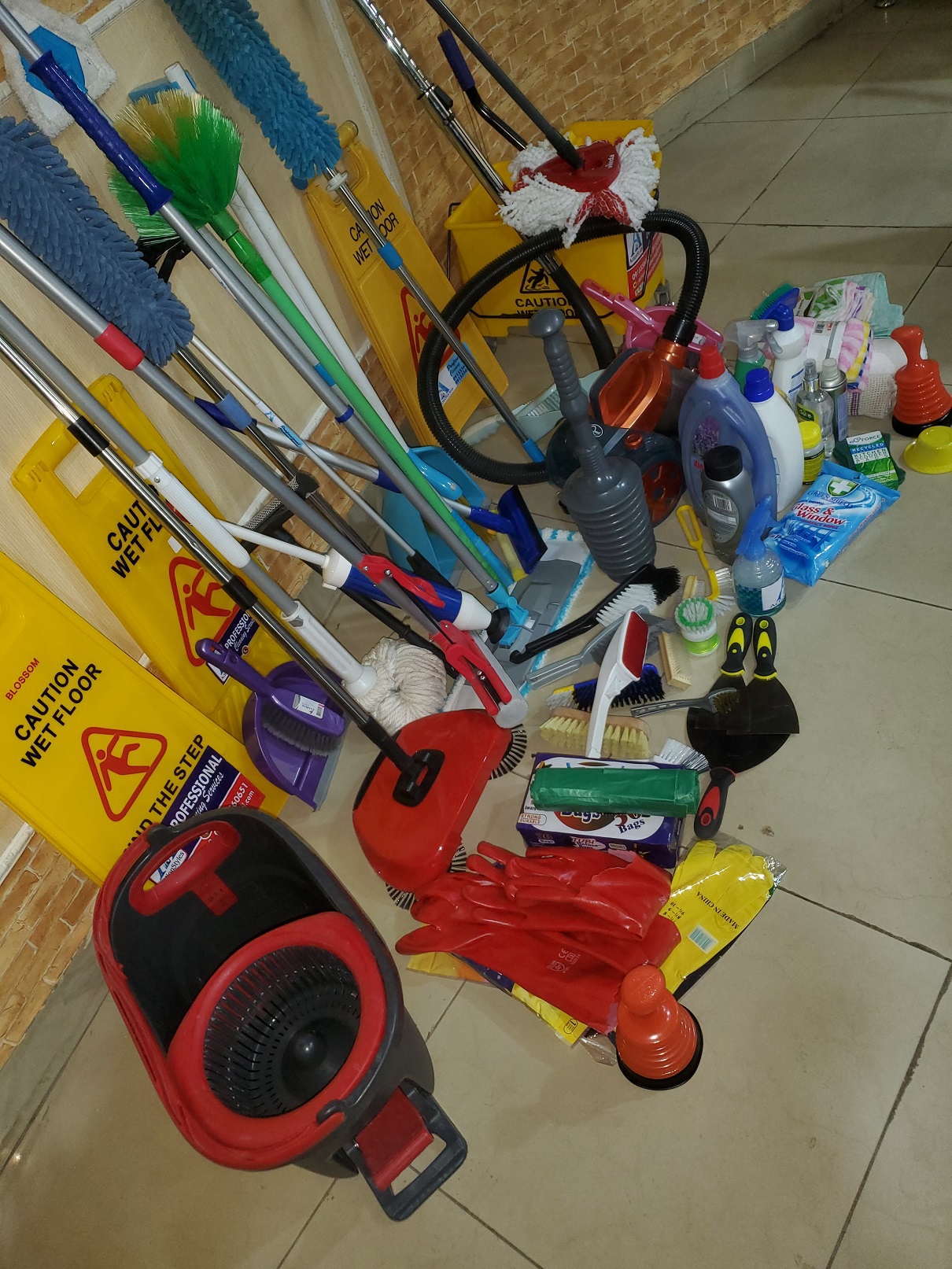
  • Mops and Brooms: Microfiber mops and brooms are commonly used for their efficiency in picking up dirt and debris. Wet mopping is essential for deep cleaning floors.
  • Disinfectants: Various disinfectants are used to sanitize surfaces, especially in high-touch areas like door handles, light switches, and restrooms.
  • Pressure Washers: For exterior cleaning, pressure washers are used to remove dirt, grime, and mildew from building exteriors, sidewalks, and parking areas.
  • Green Cleaning Products: Eco-friendly cleaning agents that are biodegradable and free of harsh chemicals are increasingly used to reduce environmental impact and protect occupant health.

5. Importance of Cleaning Schedules

  • Regular Cleaning Schedules: Establishing a regular cleaning schedule is crucial for maintaining a consistently clean environment. This can be daily, weekly, or monthly, depending on the facility’s needs.
  • Tailored Plans: Cleaning plans should be customized based on the building’s size, usage patterns, and specific needs. For example, high-traffic areas may require more frequent cleaning.
  • Seasonal Cleaning: Certain cleaning tasks are seasonal, such as window washing in the spring or fall, and deep cleaning before or after major holidays.

6. Health and Safety Considerations

  • Disinfection Protocols: In light of the COVID-19 pandemic, disinfection protocols have become more rigorous, focusing on high-touch areas to prevent the spread of viruses and bacteria.
  • Indoor Air Quality: Regular cleaning helps improve indoor air quality by reducing dust, allergens, and pollutants. Using HEPA filters and green cleaning products also contributes to better air quality.
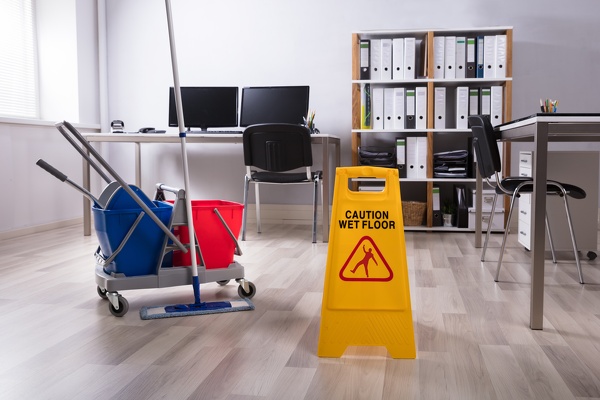
  • Slip and Fall Prevention: Proper cleaning of floors, including immediate cleanup of spills and using the correct cleaning methods, is essential to prevent slips and falls.
  • Pest Control: Regular cleaning and proper waste disposal are critical in preventing infestations of pests such as rodents and insects.

7. Challenges in Building Cleaning

  • High-Traffic Areas: Maintaining cleanliness in high-traffic areas like lobbies, restrooms, and stairwells can be challenging due to the constant use and dirt accumulation.
  • Large Spaces: Cleaning large buildings, such as office complexes or industrial facilities, requires strategic planning, sufficient staffing, and specialized equipment.
  • Compliance with Regulations: Commercial cleaning services must adhere to health and safety regulations, particularly in sectors like healthcare, food service, and manufacturing.
  • Sustainability: Balancing effective cleaning with environmentally friendly practices can be challenging, especially in facilities with stringent cleanliness standards.

8. Trends in Building Cleaning

  • Automation and Robotics: The use of automated cleaning equipment, such as robotic vacuums and floor scrubbers, is on the rise, enhancing efficiency and consistency in large facilities.
  • Smart Cleaning: Integration of technology, such as IoT devices, to monitor cleaning needs in real-time and optimize cleaning schedules based on occupancy and usage patterns.
  • Focus on Sustainability: Increasing demand for green cleaning services, with a focus on using sustainable products, reducing water usage, and minimizing waste.

9. Choosing a Building Cleaning Service

  • Reputation and Experience: Select a cleaning service with a strong reputation and experience in the specific type of building or facility you manage.
  • Certifications and Training: Ensure the cleaning staff is trained and certified, especially for specialized cleaning tasks. Look for certifications like the Cleaning Industry Management Standard (CIMS).
  • Customizable Services: Choose a service provider that offers customizable cleaning plans tailored to your building’s needs.
  • Quality Assurance: A reliable cleaning service should have quality assurance programs in place to consistently deliver high standards of cleanliness.

Building cleaning is a complex and essential service that requires a strategic approach, specialized knowledge, and the right tools and techniques to maintain a clean, safe, and healthy environment for all occupants.

Errors in building cleaning that most be avoided

Avoiding errors in building cleaning is essential for maintaining a safe, clean, and healthy environment. Here are common errors to avoid:

1. Using Incorrect Cleaning Products: • Avoid using the wrong products for specific surfaces, which can cause damage or be ineffective. Always use appropriate cleaners for each surface type. 2. Inadequate Training: • Ensure cleaning staff are properly trained in cleaning techniques, safety protocols, and the use of cleaning equipment and chemicals. 3. Ignoring High-Touch Areas: • High-touch surfaces like doorknobs, light switches, and handrails should be cleaned and disinfected frequently to prevent the spread of germs. 4. Neglecting Regular Cleaning Schedules: • Inconsistent cleaning can lead to dirt buildup and poor hygiene. Establish and stick to a regular cleaning schedule for all areas. 5. Poor Waste Management: • Ensure proper disposal of waste and regularly empty trash bins to prevent odors, pests, and contamination. 6. Overlooking Ventilation: • Poor ventilation can lead to indoor air quality issues. Ensure adequate ventilation during and after cleaning to dissipate fumes and improve air quality. 7. Using Dirty Cleaning Tools: • Regularly clean and maintain cleaning tools like mops, cloths, and vacuums to prevent spreading dirt and germs. 8. Insufficient Disinfection: • Simply cleaning surfaces without proper disinfection can leave harmful bacteria and viruses. Use disinfectants and follow recommended contact times. 9. Neglecting Personal Protective Equipment (PPE): • Ensure cleaning staff wear appropriate PPE, such as gloves, masks, and eye protection, to protect themselves from chemicals and contaminants. 10. Rushing the Cleaning Process: • Rushing can lead to missed spots and incomplete cleaning. Take the necessary time to ensure thorough cleaning and disinfection. 11. Inadequate Attention to Restrooms: • Restrooms require frequent and thorough cleaning due to high usage and potential for contamination. Don’t neglect any areas, including sinks, toilets, and floors. 12. Failing to Follow Manufacturer Instructions: • Always follow the manufacturer’s instructions for cleaning products and equipment to ensure effectiveness and safety. 13. Not Addressing Spills Immediately: • Promptly clean up spills to prevent stains, slips, and contamination. 14. Ignoring Carpet and Upholstery Maintenance: • Regularly vacuum and deep clean carpets and upholstery to remove dirt, allergens, and bacteria. 15. Using Too Much Water: • Excessive water can damage floors and other surfaces. Use water sparingly and ensure surfaces are dried quickly. 16. Inconsistent Quality Checks: • Implement regular quality checks to ensure cleaning standards are maintained and address any issues promptly. 17. Overlooking Window Cleaning: • Clean windows regularly to prevent dirt buildup and maintain a clear view. 18. Poor Communication: • Maintain clear communication among cleaning staff and between staff and management to ensure everyone is aware of their responsibilities and any specific cleaning needs. 19. Neglecting Deep Cleaning: • Schedule periodic deep cleaning sessions to address areas and items that aren’t cleaned daily. 20. Ignoring Health and Safety Regulations: • Adhere to all relevant health and safety regulations to ensure a safe environment for staff and occupants.

By avoiding these common errors, you can ensure a high standard of cleanliness and hygiene in your building, providing a safe and pleasant environment for all occupants.

Building cleaning tips from experts

Professional cleaners use a range of techniques and secrets to efficiently and effectively clean buildings. Here are some expert tips for building cleaning:

Use the Right Tools and Equipment

• High-Quality Tools: Invest in high-quality cleaning tools and equipment like commercial-grade vacuum cleaners, microfiber cloths, and mops.
• Specialized Attachments: Use vacuum attachments for different surfaces and tight spaces.

Work Systematically

• Top to Bottom: Clean from the top of the room down to prevent dirt from falling on cleaned areas.
• Left to Right: Clean from left to right to ensure you cover all areas without missing spots.

Dust Before You Vacuum

• Dust First: Dusting surfaces first allows you to capture dust that falls to the floor when vacuuming.
• Microfiber Cloths: Use microfiber cloths to trap dust instead of spreading it around.

Focus on High-Touch Areas

• Frequent Disinfection: Regularly disinfect high-touch areas such as door handles, light switches, elevator buttons, and handrails to reduce the spread of germs.
• Proper Disinfectants: Use EPA-approved disinfectants and allow them to sit for the recommended dwell time.

Use Effective Cleaning Solutions

• All-Purpose Cleaners: Use effective all-purpose cleaners for various surfaces.
• Specialized Products: Use specialized cleaners for specific tasks like glass cleaners for windows and stainless steel cleaners for elevators and kitchen appliances.

Regular Deep Cleaning

• Scheduled Deep Cleaning: Implement a regular deep cleaning schedule for areas like carpets, upholstery, and hard-to-reach spaces.
• Steam Cleaning: Use steam cleaners for deep cleaning carpets and disinfecting surfaces.

Optimize Your Cleaning Routine

• Task Lists: Create detailed cleaning checklists to ensure all areas are covered.
• Time Management: Allocate specific times for each task to stay organized and efficient.

Clean and Maintain Floors Properly

• Vacuum and Sweep Daily: Regularly vacuum carpets and sweep hard floors to remove dirt and debris.
• Mop and Scrub: Mop hard floors with appropriate cleaners and scrub them regularly to maintain cleanliness.
• Protective Mats: Use entryway mats to reduce the amount of dirt tracked into the building.

Restroom Cleaning

• Frequent Cleaning: Clean restrooms multiple times a day, focusing on toilets, sinks, and high-touch areas.
• Stock Supplies: Keep restrooms well-stocked with soap, paper towels, and toilet paper.

Kitchen and Break Room Cleaning

• Disinfect Surfaces: Regularly disinfect countertops, tables, and appliance surfaces.
• Clean Appliances: Clean microwaves, refrigerators, and coffee machines frequently to prevent buildup and odors.

Window and Glass Cleaning

• Streak-Free Solutions: Use professional glass cleaners and squeegees for streak-free windows and glass partitions.
• Regular Maintenance: Schedule regular window cleaning to keep them looking clear and bright.

Trash and Recycling

• Regular Disposal: Empty trash and recycling bins frequently to avoid overflow and odors.
• Proper Segregation: Ensure proper segregation of recyclables and waste materials.

Odor Control

• Ventilation: Improve ventilation by opening windows and using fans to circulate air.
• Air Fresheners: Use air fresheners or odor neutralizers to maintain a pleasant environment.

Maintain Cleaning Equipment

• Regular Maintenance: Regularly clean and maintain your cleaning equipment to ensure it functions effectively.
• Replace Supplies: Replace worn-out supplies like mop heads and vacuum bags as needed.

Training and Safety

• Proper Training: Ensure all cleaning staff are properly trained on cleaning techniques and safety protocols.
• Personal Protective Equipment (PPE): Provide and enforce the use of PPE like gloves and masks to protect staff from chemicals and contaminants.

By incorporating these professional cleaning secrets into your routine, you can ensure a consistently clean and hygienic building environment.

Tips for effective building cleaning

Building cleaning involves maintaining cleanliness, hygiene, and a pleasant environment in commercial or residential buildings. Here are some tips for effective building cleaning:

1.  Develop a Cleaning Schedule: Create a detailed cleaning schedule that outlines daily, weekly, and monthly tasks. This ensures all areas are cleaned regularly and nothing is overlooked.
2.  Use Quality Cleaning Supplies: Invest in high-quality cleaning products and equipment. This includes eco-friendly cleaners, effective disinfectants, vacuum cleaners, mops, and microfiber cloths.
3.  Train the Cleaning Staff: Provide thorough training to cleaning staff on proper cleaning techniques, the use of cleaning products, safety protocols, and customer service.
4.  Focus on High-Traffic Areas: Pay extra attention to high-traffic areas such as lobbies, entrances, hallways, and restrooms. These areas tend to get dirty faster and need frequent cleaning.
5.  Regularly Disinfect High-Touch Surfaces: Ensure frequent disinfection of high-touch surfaces like door handles, elevator buttons, light switches, and handrails to prevent the spread of germs.
6.  Implement a Waste Management System: Have a clear system for waste collection, recycling, and disposal. Ensure bins are regularly emptied and cleaned to avoid unpleasant odors.
7.  Maintain Floors Properly: Regularly vacuum carpets and mop hard floors. Consider periodic deep cleaning methods like carpet shampooing or steam cleaning to maintain their appearance and hygiene.
8.  Clean Windows and Glass Surfaces: Clean windows and glass surfaces regularly to remove smudges, fingerprints, and dust, enhancing the overall appearance of the building.
9.  Use Air Fresheners: Use air fresheners or odor neutralizers to keep the indoor air smelling fresh and pleasant.
10. Inspect for Issues: Regularly inspect the building for any maintenance issues, such as leaks, mold, or pest infestations, and address them promptly.
11. Encourage Hygiene Practices: Place hand sanitizers in common areas and encourage building occupants to practice good hygiene, such as washing hands regularly.
12. Keep Cleaning Supplies Stocked: Ensure an adequate supply of cleaning products and equipment is always available to avoid interruptions in the cleaning routine.

Implementing these tips can help maintain a clean, healthy, and welcoming environment in any building.

Every Building Cleaning Service You Could Require

Building managers should constantly assess the building’s requirements to ascertain which cleaning services would be most advantageous and economical. Working with a reputable cleaning firm makes sense because many commercial facilities are reopening and adjusting to a post-pandemic workplace. Here are some things to think about if you’re thinking about hiring building cleaning services but aren’t sure which ones are required.

Examine Your Options for Cleaning
When it comes to business building cleaning services, there are normally two choices: regular maintenance and daily janitorial. Although it is advised to schedule these services together, each can be completed separately.

Office Building Janitorial Services: Daily janitorial duties such as dusting, garbage removal, restroom cleaning, and surface disinfection are completed during routine services.

Periodic Maintenance Programs: Deep cleaning tasks, like heavy dusting, carpet, hard floor, and glass washing, will be carried out during periodic maintenance.

Set Up an In-Building Inspection
You might begin screening possible cleaning companies while you look through your options for cleaning services. In order to provide the finest and most accurate quotation, knowledgeable suppliers will arrange for a building walk-through. The supplier will record the number of employees, the open areas, office or conference rooms, the number of restrooms and kitchens, the layout and type of space, and the materials used on different surfaces throughout the building during a walk-through. The provider will be better able to advise you on the services your building requires thanks to this walkthrough.

A provider will walk you through the process, talk about your needs and goals, and then offer you a detailed proposal with an estimate, service scope, and personalized cleaning schedule.

Building Cleaning: Everything You Should Know

Everything revolves around first impressions; the atmosphere of a building greets you the moment you walk in and speaks volumes.

An inviting atmosphere that is well-kept can convey assurance, contentment, and authenticity.

The reason most famous buildings, such as Seattle’s Smith Tower or New York City’s Hearst Tower, are visually appealing is that they are kept up well.

Cleaning a room is a tiring task. Imagine now cleaning a structure that has hundreds of cabins and rooms. It is not a task for one individual. Teams with the right equipment and cleaning experience can finish the task.

When it comes to cleaning business buildings, hiring professionals is usually a wise decision. It enhances look, which positively impacts clients, consumers, and staff. It eliminates pollutants, filth, and other impurities and boosts output.

Kinds Commercial Cleaning Service
A cheap commercial cleaning service needs to take into account the unique needs of a business. To suit their unique needs, business owners can choose from a variety of commercial cleaning services.

The top business will be knowledgeable about your sector and have the means to put in place a preventive maintenance program. The following three categories can be used to group various commercial cleaning services:

General cleaning: This type of cleaning involves basic housekeeping tasks like vacuuming, sweeping, dusting, mopping, and so on. A cleaning service professional or the homeowner can perform general cleaning on a regular basis. Cleaning this “surface” more often is done for hygienic and sanitary reasons.

Deep cleaning: Compared to a routine weekly clean, a deep clean requires a lot more time and work. You will receive a full body massage during this procedure, with special attention given to those troublesome, frequently ignored regions. It is advised to choose a professional business cleaning service for deep cleaning.

Window cleaning, power washing, and carpet cleaning are examples of specialized cleaning services. It often requires more skill and knowledge, as well as the use of specialist tools or supplies, than basic cleaning. It is customary to contract out cleaning services that have specialized in particular fields or that call for specialized tools and training.

The staff at Maintenance One is highly qualified, well-equipped, and beyond customer service in terms of cleaning both homes and businesses. Maintenance One makes extra checks and is always thorough. The following services are included in Maintenance One:

Floor & Window Cleaning: Detailed Inspection
Cleaning Services During the Day
Cleaning Services at Night