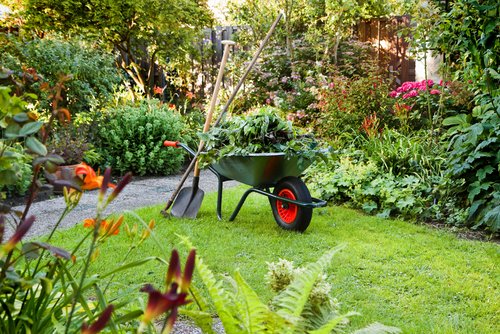
Cleaning parks and gardens requires a thorough and environmentally conscious approach to maintain the beauty and health of these outdoor spaces. Regular maintenance not only enhances their aesthetic appeal but also ensures safety for visitors and promotes ecological balance. Below are the best practices for cleaning parks and gardens:
1. Litter Collection and Waste Management
- Regular Trash Collection: Install adequate trash bins throughout the park, especially near seating areas, pathways, and playgrounds. Empty the bins regularly to prevent overflow.
- Litter Picking: Conduct daily or weekly litter-picking activities, especially after events or busy weekends. Use litter grabbers to pick up trash without disturbing plants or soil.
- Recycling Programs: Provide separate bins for recycling materials such as paper, plastic, and glass. Educate park-goers about the importance of recycling through signage.
2. Pathway Cleaning
- Sweeping and Raking: Use brooms, leaf blowers, or rakes to clear debris from walking paths, sidewalks, and paved areas. Ensure that pathways are free from leaves, dirt, and any tripping hazards.
- Power Washing: For paved surfaces, such as walkways, patios, and benches, use power washing periodically to remove grime, moss, and stains that accumulate over time.
3. Green Waste Management
- Composting: Collect organic waste like fallen leaves, grass clippings, and plant trimmings and compost them. Composting helps reduce waste and provides rich soil for the park or garden.
- Mulching: Apply mulch to garden beds and around trees. This not only enhances the aesthetic but also retains moisture, suppresses weeds, and provides nutrients as it decomposes.
- Proper Disposal of Dead Plants: Remove dead or diseased plants, and either compost them if possible or dispose of them in green waste facilities to prevent the spread of plant diseases.
4. Tree and Shrub Maintenance
- Pruning and Trimming: Regularly prune trees, shrubs, and bushes to remove dead branches, promote healthy growth, and maintain shape. Proper pruning also enhances the safety of the park by preventing overgrown branches from falling.
- Leaf Removal: During autumn, clear fallen leaves from grassy areas and pathways. Leaves can be used as compost or mulch if managed properly.
5. Water Features Cleaning
- Fountains and Ponds: Regularly skim debris such as leaves, sticks, and litter from fountains and ponds. Use nets to prevent water from being clogged by waste.
- Water Quality Maintenance: Check and maintain water quality in ponds, fountains, or lakes by cleaning filters, ensuring water flow, and removing algae growth.
- Aeration: If the park or garden has ponds, use aeration systems to keep water oxygenated, which helps control algae and supports fish and plant life.
6. Weed Control
- Manual Weed Removal: Regularly pull out weeds from flower beds, lawns, and pathways. This prevents weeds from spreading and taking nutrients from desirable plants.
- Eco-Friendly Herbicides: If necessary, use natural, non-toxic herbicides to control invasive plant species. Avoid harmful chemicals that can damage local ecosystems.
- Weed Barriers: Use weed mats or ground covers in garden beds and around trees to suppress weed growth while allowing water and nutrients to penetrate.
7. Garden Bed and Lawn Care
- Lawn Mowing: Keep grass neatly trimmed by mowing regularly. Ensure the mower blades are sharp to avoid tearing the grass, which can lead to disease.
- Edging and Trimming: Trim the edges of lawns and garden beds to create clean lines and maintain a tidy appearance. Use string trimmers to reach areas where mowers can’t.
- Fertilizing: Use organic fertilizers to nourish the soil and promote healthy plant growth. Fertilizing regularly ensures plants get the nutrients they need to thrive.
- Irrigation System Maintenance: Ensure that sprinkler systems are functioning properly and water plants appropriately without causing erosion or overwatering.
8. Playground and Equipment Sanitization
- Regular Cleaning: Clean and sanitize playground equipment, picnic tables, benches, and other high-touch surfaces. Use safe cleaning agents that are non-toxic to children and animals.
- Inspect and Maintain: Regularly inspect play equipment for damage, rust, or loose parts, and make repairs as needed to ensure safety.
9. Graffiti and Vandalism Removal
- Graffiti Cleaning: Remove graffiti promptly using environmentally safe cleaning solutions or pressure washers, especially on playground equipment, walls, and signs.
- Community Involvement: Encourage the local community to report vandalism and help keep the park clean through organized clean-up events.
10. Insect and Pest Management
- Eco-Friendly Pest Control: Use non-toxic or organic pest control methods to manage insects and pests in the park or garden. This can include introducing beneficial insects, using traps, or applying natural repellents like neem oil.
- Eliminate Stagnant Water: Regularly inspect areas for standing water where mosquitoes and pests can breed, especially after rain. Ensure proper drainage to avoid water accumulation.
11. Park Furniture and Amenities
- Benches and Tables: Clean park benches, tables, and gazebos regularly. Wipe down surfaces with disinfectant to ensure they are hygienic for public use.
- Lighting Fixtures: Clean and inspect lighting fixtures to ensure they are free of dirt, dust, and damage. Replace bulbs as needed.
- Trash Cans and Recycling Bins: Clean trash cans and recycling bins regularly to prevent odors and discourage pests.
12. Signage and Decorative Elements
- Cleaning Signs: Wipe down and clean signs, maps, and informational boards to ensure they remain legible and inviting.
- Maintaining Statues and Art: Clean statues, fountains, or other decorative elements using non-abrasive cleaners to prevent damage while preserving their appearance.
13. Involving the Community
- Volunteer Clean-Up Programs: Organize community clean-up days where volunteers can help with litter collection, gardening, and other park maintenance tasks. This fosters a sense of ownership and responsibility.
- Educational Programs: Promote environmental education by teaching park visitors about responsible waste disposal, recycling, and the importance of maintaining natural spaces.
Sustainable Cleaning Practices
- Use of Eco-Friendly Products: Opt for biodegradable and environmentally safe cleaning products to avoid polluting soil and waterways.
- Water Conservation: Implement water-saving techniques, such as drip irrigation and rainwater harvesting, to minimize water usage in garden maintenance.
- Energy-Efficient Equipment: Use battery-operated or manual cleaning tools like hand rakes or push lawnmowers where possible to reduce carbon emissions.
By following these best practices, parks and gardens can be kept clean, safe, and beautiful for everyone to enjoy. This approach ensures not only a pleasant environment but also the preservation of the natural ecosystem within the park or garden space.
