Maintaining cleanliness in the garden is essential for promoting plant health, preventing pests, and keeping the space visually appealing. Here are some tips to help you keep your garden neat and clean:
1. Regular Weeding
- Frequency: Remove weeds regularly to prevent them from spreading and competing with your plants for nutrients.
- Tools: Use hand tools like a hoe or weeding fork to get to the roots and avoid regrowth.
2. Prune and Deadhead Plants
- Pruning: Regularly prune overgrown or diseased branches to promote healthy plant growth and improve the garden’s appearance.
- Deadheading: Remove spent flowers to encourage new blooms and prevent the garden from looking untidy.
3. Clean Fallen Leaves and Debris
- Rake Leaves: Regularly rake and remove fallen leaves, especially in autumn, as they can harbor pests and diseases.
- Composting: Collect organic matter like leaves, branches, and grass clippings for composting. This will reduce waste and provide nutrient-rich compost for your garden.
4. Use Mulch
- Mulching Benefits: Apply mulch around plants to retain moisture, suppress weeds, and give the garden a clean, finished look.
- Material: You can use organic materials like wood chips, bark, straw, or compost as mulch.
5. Organize Garden Tools
- Storage: Keep your tools in a shed, garage, or tool storage unit to avoid clutter.
- Maintenance: Clean and maintain your garden tools after use to prevent rust and prolong their life. This also keeps the work area tidy.
6. Water Smartly
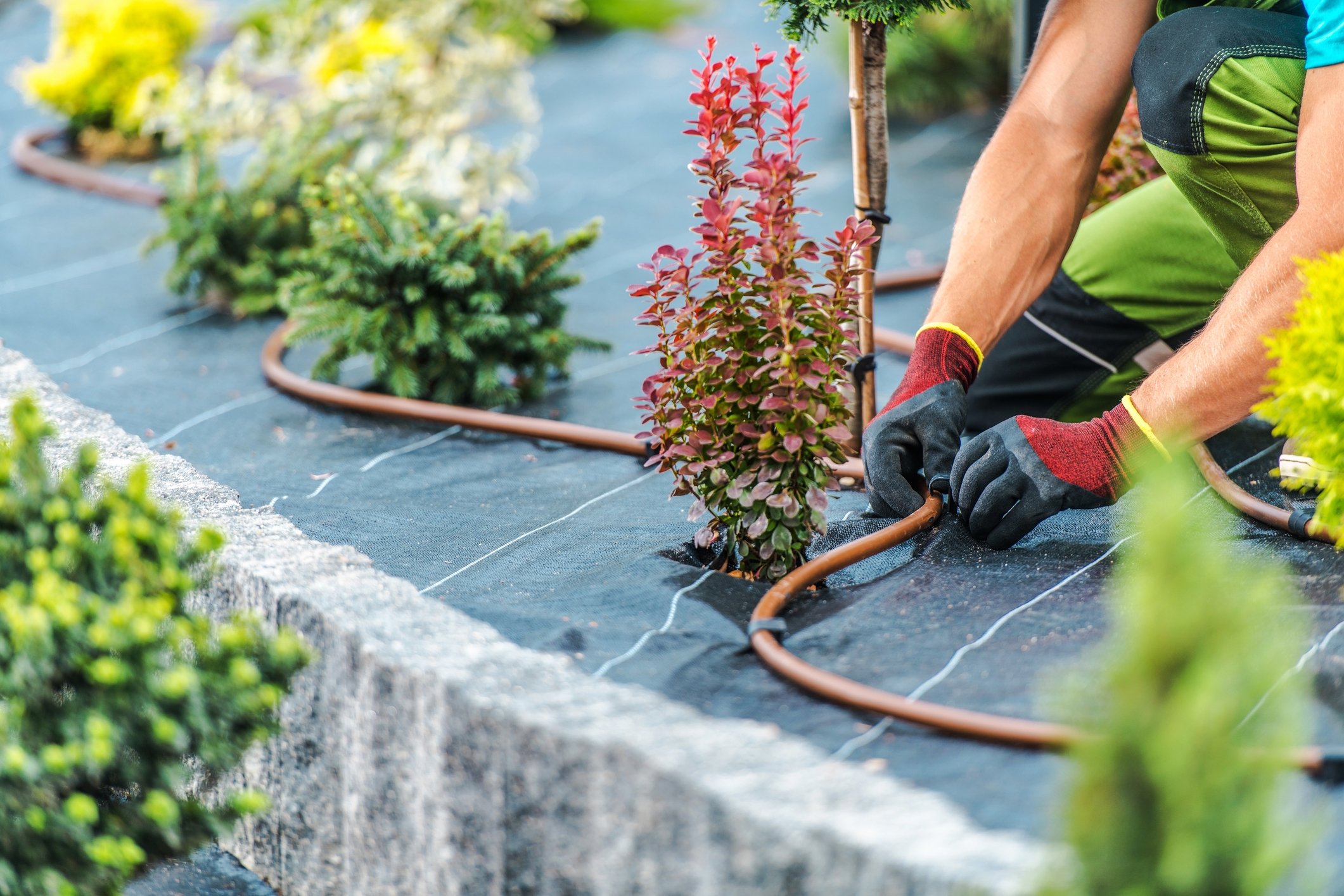
- Drip Irrigation: Use drip irrigation or a soaker hose to target plants directly. This reduces water wastage and keeps pathways and areas between plants dry.
- Water Early: Water your plants in the morning to avoid fungal issues caused by moisture left on the leaves overnight.
7. Keep Borders and Edges Tidy
- Edge Trimming: Regularly trim the edges of flower beds and garden paths for a clean and defined look.
- Lawn Care: Mow the lawn regularly and remove any stray grass clippings or trimmings.
8. Pest Control
- Natural Solutions: Prevent pest infestations by removing diseased plant matter promptly. Introduce beneficial insects (e.g., ladybugs) or use organic insect repellents to control pests.
- Monitor Plants: Inspect plants regularly for early signs of infestation or disease.
9. Create Defined Pathways
- Install Pathways: Use stepping stones, gravel, or pavers to create clear pathways to avoid walking on plants or muddy areas.
- Regular Cleaning: Sweep or hose down garden paths to keep them free from dirt, leaves, and debris.
10. Compost Bins and Waste Management
- Designate a Compost Area: Set up a compost bin or pile in a designated area for plant debris, food scraps, and other compostable material.
- Remove Trash: Ensure that any non-compostable waste like plastic plant pots, broken tools, or litter is properly disposed of to prevent garden clutter.
11. Seasonal Cleanup
- Spring and Fall: Conduct major cleanups at the start of spring and end of fall. This involves removing dead plants, clearing beds, and preparing the garden for the next season.
12. Regular Inspection
- Inspect Often: Walk around your garden at least once a week to identify areas that need cleaning or attention, such as overgrown plants, pest issues, or garden clutter.
By following these tips and setting up a regular garden maintenance routine, your garden will stay clean, healthy, and more enjoyable year-round!
