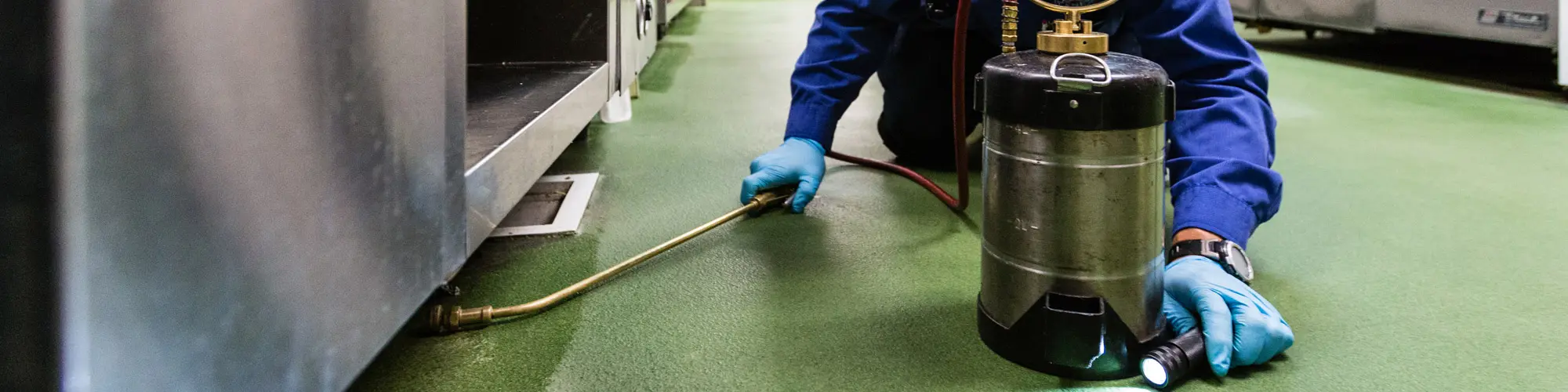
Pest control involves a range of practices and strategies to manage and eliminate pests that can harm health, damage property, or disrupt daily life. Here are key steps and methods for effective pest control:
- Identification • Recognize the Pest: Correctly identify the pest species to choose the most effective control methods.
• Understand Pest Behavior: Learn about the habits, lifecycle, and preferences of the pest for targeted control. - Prevention • Seal Entry Points: Block access by sealing cracks, gaps, and holes in walls, doors, windows, and foundations.
• Proper Food Storage: Store food in airtight containers and clean up spills promptly to remove food sources.
• Reduce Clutter: Minimize clutter to reduce hiding places for pests.
• Maintain Cleanliness: Keep the property clean, especially kitchens and dining areas. Regularly empty garbage and use sealed bins.
• Moisture Control: Fix leaks and reduce moisture levels, as many pests are attracted to damp environments. - Non-Chemical Control • Physical Barriers: Use screens, door sweeps, and sealants to prevent pests from entering.
• Traps: Utilize traps such as glue traps, snap traps, and live traps for rodents and insects.
• Biological Control: Introduce natural predators or parasites of pests, such as ladybugs for aphid control. - Chemical Control • Insecticides and Rodenticides: Apply chemical treatments where appropriate, following safety guidelines and instructions.
• Baits and Gels: Use bait stations and gel baits that attract and poison pests.
• Foggers and Sprays: Utilize aerosol foggers and sprays for immediate pest reduction, ensuring proper ventilation and safety measures. - Integrated Pest Management (IPM) • Combination Approach: Integrate multiple methods (preventive, physical, biological, and chemical) for a comprehensive pest control strategy.
• Monitoring and Maintenance: Regularly monitor pest activity and adjust control methods as needed.
• Minimize Chemical Use: Prioritize non-chemical methods and use chemicals as a last resort. - Professional Pest Control Services • Regular Inspections: Schedule regular inspections by licensed pest control professionals.
• Expert Treatments: Allow professionals to apply treatments, especially for severe infestations or when dealing with hazardous pests.
• Maintenance Plans: Establish ongoing maintenance plans to prevent future infestations. - Safety and Environmental Considerations • Safe Application: Follow all safety guidelines when using pesticides to protect health and the environment.
• Eco-Friendly Options: Choose environmentally friendly pest control products and methods when possible.
• Proper Disposal: Dispose of pesticides and pest control materials according to local regulations to avoid contamination.
By implementing these steps and methods, you can effectively manage and control pest problems, ensuring a safe and comfortable living or working environment.
