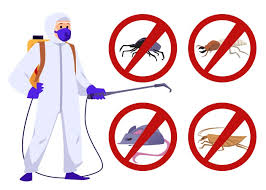
Tag: pest control

Tag: pest control

Pest control in an office

Pest control in an office environment is essential to maintain a healthy and productive workspace. Here’s a comprehensive guide to implementing an effective pest control program in an office:

  1. Assessment and Inspection • Regular Inspections: Conduct regular inspections of the entire office, including workspaces, break rooms, restrooms, storage areas, and exterior surroundings.
    • Identification: Identify common office pests such as rodents, cockroaches, ants, flies, and spiders.
    • Monitoring: Use monitoring devices like sticky traps and bait stations to detect and track pest activity.
  2. Preventative Measures • Sanitation: Ensure that the office is kept clean and free of food debris. Regularly clean break rooms, kitchens, and dining areas.
    • Waste Management: Use tightly sealed trash bins and ensure they are emptied regularly. Properly store and dispose of food waste.
    • Exclusion: Seal cracks, gaps, and entry points around doors, windows, and utility lines to prevent pests from entering the building.
  3. Pest Control Strategies • Chemical Controls: Use approved pesticides and insecticides as needed. Apply these substances according to safety guidelines and regulations.
    • Non-Chemical Controls: Utilize traps, bait stations, and other mechanical devices to capture or deter pests.
    • Integrated Pest Management (IPM): Implement an IPM approach that combines multiple strategies, including preventive measures, monitoring, and targeted treatments.
  4. Special Considerations for Office Areas • Workspaces: Regularly clean desks, computers, and other office equipment. Avoid eating at desks to minimize food sources for pests.
    • Break Rooms and Kitchens: Maintain high standards of cleanliness, store food in airtight containers, and clean spills immediately.
    • Restrooms: Keep restrooms clean and dry. Regularly inspect for and address any plumbing leaks.
  5. Documentation and Reporting • Record Keeping: Maintain detailed records of inspections, pest sightings, treatments, and follow-up actions. This helps in tracking pest trends and the effectiveness of control measures.
    • Incident Reporting: Establish a system for office staff to report pest sightings promptly.
  6. Staff Training and Awareness • Education: Train office staff on pest identification, reporting procedures, and the importance of maintaining cleanliness and sanitation.
    • Awareness Campaigns: Inform employees about the pest control measures in place and encourage cooperation in maintaining a pest-free environment.
  7. Compliance and Safety • Regulations: Ensure compliance with local, state, and federal pest control regulations and guidelines.
    • Safety Protocols: Implement safety protocols to protect employees from potential hazards associated with pest control measures.
  8. Regular Review and Adaptation • Program Evaluation: Regularly review the pest control program’s effectiveness and make necessary adjustments.
    • Continuous Improvement: Stay updated with the latest pest control technologies and practices to continually improve the program.

By following these steps, offices can effectively manage pest control, ensuring a healthy and productive working environment for all employees.

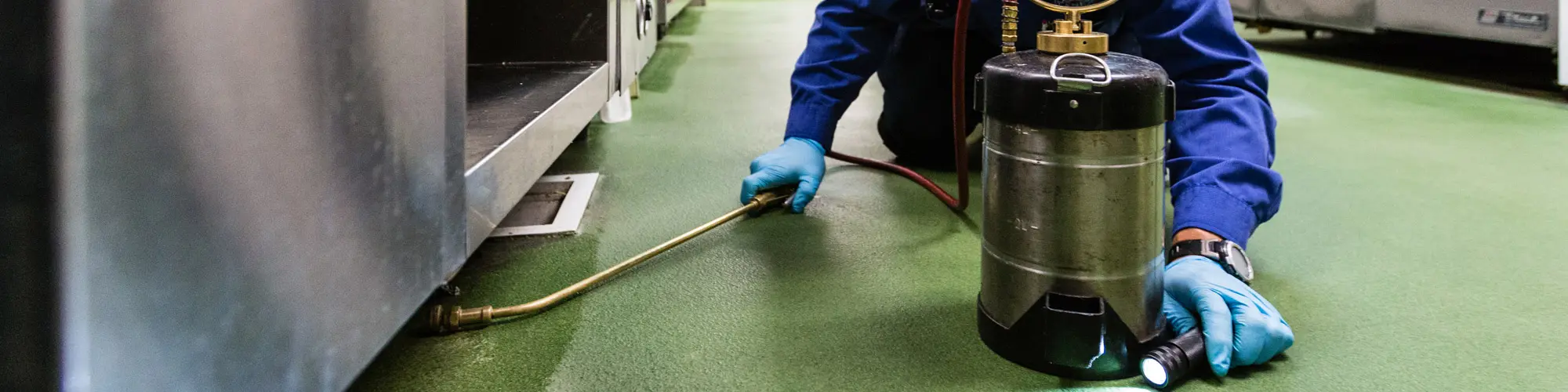
key steps, methods for effective pest control

Pest control involves a range of practices and strategies to manage and eliminate pests that can harm health, damage property, or disrupt daily life. Here are key steps and methods for effective pest control:

  1. Identification • Recognize the Pest: Correctly identify the pest species to choose the most effective control methods.
    • Understand Pest Behavior: Learn about the habits, lifecycle, and preferences of the pest for targeted control.
  2. Prevention • Seal Entry Points: Block access by sealing cracks, gaps, and holes in walls, doors, windows, and foundations.
    • Proper Food Storage: Store food in airtight containers and clean up spills promptly to remove food sources.
    • Reduce Clutter: Minimize clutter to reduce hiding places for pests.
    • Maintain Cleanliness: Keep the property clean, especially kitchens and dining areas. Regularly empty garbage and use sealed bins.
    • Moisture Control: Fix leaks and reduce moisture levels, as many pests are attracted to damp environments.
  3. Non-Chemical Control • Physical Barriers: Use screens, door sweeps, and sealants to prevent pests from entering.
    • Traps: Utilize traps such as glue traps, snap traps, and live traps for rodents and insects.
    • Biological Control: Introduce natural predators or parasites of pests, such as ladybugs for aphid control.
  4. Chemical Control • Insecticides and Rodenticides: Apply chemical treatments where appropriate, following safety guidelines and instructions.
    • Baits and Gels: Use bait stations and gel baits that attract and poison pests.
    • Foggers and Sprays: Utilize aerosol foggers and sprays for immediate pest reduction, ensuring proper ventilation and safety measures.
  5. Integrated Pest Management (IPM) • Combination Approach: Integrate multiple methods (preventive, physical, biological, and chemical) for a comprehensive pest control strategy.
    • Monitoring and Maintenance: Regularly monitor pest activity and adjust control methods as needed.
    • Minimize Chemical Use: Prioritize non-chemical methods and use chemicals as a last resort.
  6. Professional Pest Control Services • Regular Inspections: Schedule regular inspections by licensed pest control professionals.
    • Expert Treatments: Allow professionals to apply treatments, especially for severe infestations or when dealing with hazardous pests.
    • Maintenance Plans: Establish ongoing maintenance plans to prevent future infestations.
  7. Safety and Environmental Considerations • Safe Application: Follow all safety guidelines when using pesticides to protect health and the environment.
    • Eco-Friendly Options: Choose environmentally friendly pest control products and methods when possible.
    • Proper Disposal: Dispose of pesticides and pest control materials according to local regulations to avoid contamination.

By implementing these steps and methods, you can effectively manage and control pest problems, ensuring a safe and comfortable living or working environment.

Advantages of Termite Management Services

The following benefits of pest control are yours to enjoy if you use a qualified business that complies with Pest Control India’s (PCI) requirements when scheduling pest control services:

Full Pest Detection:

Finding vermin hiding in a building’s many crevices and corners should be the main motivation for anyone using pest control services. You need expert house cleaning services, the proper equipment, and the necessary expertise to complete this task—you cannot do it alone. If you don’t acquire any of these, the pests will quickly spread throughout your property.

Total Extermination of Vermin:

An expert in pest control will identify the kind of pests hiding in your house or place of business and then recommend the most effective method for getting rid of them. These businesses and experts seek to eradicate bugs from a client’s home or place of business, leaving it free of pests.


Preserves Your Assets and Personal Items: The ability of pest control services to prevent harm to your property and possessions from pests is one of their most amazing advantages. For example, termites and other pests can destroy your entire wooden structure and furniture if they are not managed in a timely manner. Your clothes, electrical wires, and other possessions could be severed by rats.

Saves Money:

Removing pests from your property automatically results in financial savings from the money that would have been spent on repairing the damage the bugs would have caused. Hiring professionals to handle pest control might help you save money as doing it yourself can be expensive.


Saves Time:

You can save time by using pest control, which makes it worthwhile. Imagine the amount of time you will lose if you allow pests to get out of control and eventually have to close your business or move out of your house in order to get rid of the unmanageable bugs! It will take a lot of time, and if you choose to DIY pest control, that same time will be squandered.

Reduces Chances of Being Sick:

When debating whether or not pest management is worthwhile, it is impossible to ignore the fact that it reduces the likelihood of catching diseases brought on by bugs. By keeping pests at bay, you can avoid contracting many bacterial and viral illnesses that can be spread to you by insect bites, droppings, feathers, and dead skin.

Prevents Future Insect Problems: One of the main advantages of hiring a pest control service is that it helps prevent these bothersome insects from coming back. Don’t forget this. To prevent bugs from returning to your home or place of business, professional pest control companies offer ongoing pest prevention advice and routine inspection schedules.