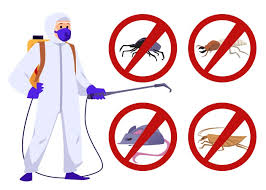
Pest control in an office environment is essential to maintain a healthy and productive workspace. Here’s a comprehensive guide to implementing an effective pest control program in an office:
- Assessment and Inspection • Regular Inspections: Conduct regular inspections of the entire office, including workspaces, break rooms, restrooms, storage areas, and exterior surroundings.
• Identification: Identify common office pests such as rodents, cockroaches, ants, flies, and spiders.
• Monitoring: Use monitoring devices like sticky traps and bait stations to detect and track pest activity. - Preventative Measures • Sanitation: Ensure that the office is kept clean and free of food debris. Regularly clean break rooms, kitchens, and dining areas.
• Waste Management: Use tightly sealed trash bins and ensure they are emptied regularly. Properly store and dispose of food waste.
• Exclusion: Seal cracks, gaps, and entry points around doors, windows, and utility lines to prevent pests from entering the building. - Pest Control Strategies • Chemical Controls: Use approved pesticides and insecticides as needed. Apply these substances according to safety guidelines and regulations.
• Non-Chemical Controls: Utilize traps, bait stations, and other mechanical devices to capture or deter pests.
• Integrated Pest Management (IPM): Implement an IPM approach that combines multiple strategies, including preventive measures, monitoring, and targeted treatments. - Special Considerations for Office Areas • Workspaces: Regularly clean desks, computers, and other office equipment. Avoid eating at desks to minimize food sources for pests.
• Break Rooms and Kitchens: Maintain high standards of cleanliness, store food in airtight containers, and clean spills immediately.
• Restrooms: Keep restrooms clean and dry. Regularly inspect for and address any plumbing leaks. - Documentation and Reporting • Record Keeping: Maintain detailed records of inspections, pest sightings, treatments, and follow-up actions. This helps in tracking pest trends and the effectiveness of control measures.
• Incident Reporting: Establish a system for office staff to report pest sightings promptly. - Staff Training and Awareness • Education: Train office staff on pest identification, reporting procedures, and the importance of maintaining cleanliness and sanitation.
• Awareness Campaigns: Inform employees about the pest control measures in place and encourage cooperation in maintaining a pest-free environment. - Compliance and Safety • Regulations: Ensure compliance with local, state, and federal pest control regulations and guidelines.
• Safety Protocols: Implement safety protocols to protect employees from potential hazards associated with pest control measures. - Regular Review and Adaptation • Program Evaluation: Regularly review the pest control program’s effectiveness and make necessary adjustments.
• Continuous Improvement: Stay updated with the latest pest control technologies and practices to continually improve the program.
By following these steps, offices can effectively manage pest control, ensuring a healthy and productive working environment for all employees.
