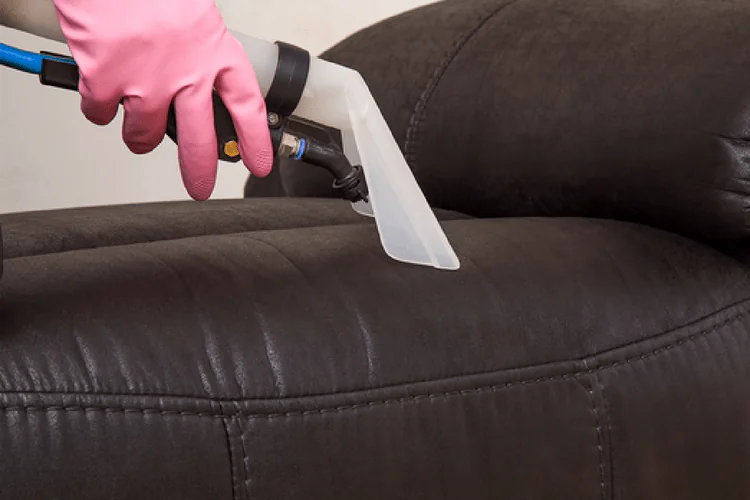
Cleaning leather furniture requires a gentle approach to preserve its quality and appearance. Here’s a step-by-step guide on how to clean and care for your leather furniture:
1. Gather Your Supplies
- Soft Cloths: Use lint-free, non-abrasive microfiber or cotton cloths.
- Mild Soap: Use a gentle, non-detergent soap like castile soap.
- Distilled Water: To avoid any mineral deposits from tap water.
- Leather Conditioner: To moisturize and protect the leather after cleaning.
- Vacuum Cleaner with Brush Attachment: For removing dust and debris from crevices.
- Leather Cleaner (Optional): A commercial leather cleaner can be used, but make sure it’s suitable for the type of leather you have.
- Soft Brush: For gently scrubbing if needed.
2. Dust and Vacuum the Furniture
- Remove Loose Dirt: Use a vacuum cleaner with a brush attachment to remove dust and debris from the surface and crevices of the furniture. Be gentle to avoid scratching the leather.
- Wipe Down the Surface: Use a dry, soft cloth to wipe down the entire surface to remove any remaining dust.
3. Spot Test Your Cleaner
- Test in an Inconspicuous Area: Before applying any cleaner to the entire piece of furniture, test it on a small, hidden area to ensure it doesn’t discolor or damage the leather.
4. Clean the Leather
- Prepare a Cleaning Solution: Mix a few drops of mild soap with distilled water to create a gentle cleaning solution.
- Dampen a Cloth: Dip a soft cloth into the solution and wring it out until it’s just damp, not wet.
- Wipe the Leather: Gently wipe down the leather, working in small sections. Avoid soaking the leather, as too much moisture can damage it.
- Rinse with Clean Water: Dampen a second cloth with distilled water and wipe down the leather to remove any soap residue.
- Dry the Leather: Use a dry, soft cloth to gently blot and dry the leather. Make sure no moisture is left on the surface.
5. Tackle Stains
- Water-Based Stains: Use a damp cloth to blot the stain, working from the outside in to prevent spreading. Avoid rubbing.
- Oil-Based Stains: Blot excess oil with a dry cloth, then sprinkle cornstarch or baking soda on the stain. Let it sit for a few hours to absorb the oil, then brush it off gently.
- Ink Stains: Dab a cotton swab in rubbing alcohol and gently blot the ink stain. Be careful not to over-saturate the leather, and always test in a hidden area first.
- Dark Stains on Light Leather: Mix equal parts lemon juice and cream of tartar into a paste. Apply to the stain, let it sit for 10 minutes, then wipe off with a damp cloth.
6. Condition the Leather
- Apply Leather Conditioner: After cleaning, apply a leather conditioner to keep the leather soft, supple, and protected. Follow the product instructions carefully.
- Buff the Leather: After applying the conditioner, use a clean, dry cloth to buff the leather, bringing out its natural shine.
7. Maintain and Protect the Leather
- Regular Dusting: Dust and wipe down leather furniture regularly to prevent dirt from settling.
- Avoid Direct Sunlight: Position leather furniture away from direct sunlight to prevent fading and drying out.
- Keep Away from Heat Sources: Avoid placing leather furniture near heat sources like radiators or fireplaces, as this can dry out and crack the leather.
- Use a Leather Protector: Consider using a leather protector spray to add an extra layer of protection against stains and spills.
Summary
To clean leather furniture, start by dusting and vacuuming, then clean with a mild soap solution and distilled water. Address stains carefully, condition the leather after cleaning, and maintain it by regular dusting and protecting it from sunlight and heat. Proper care will keep your leather furniture looking great and prolong its lifespan.
