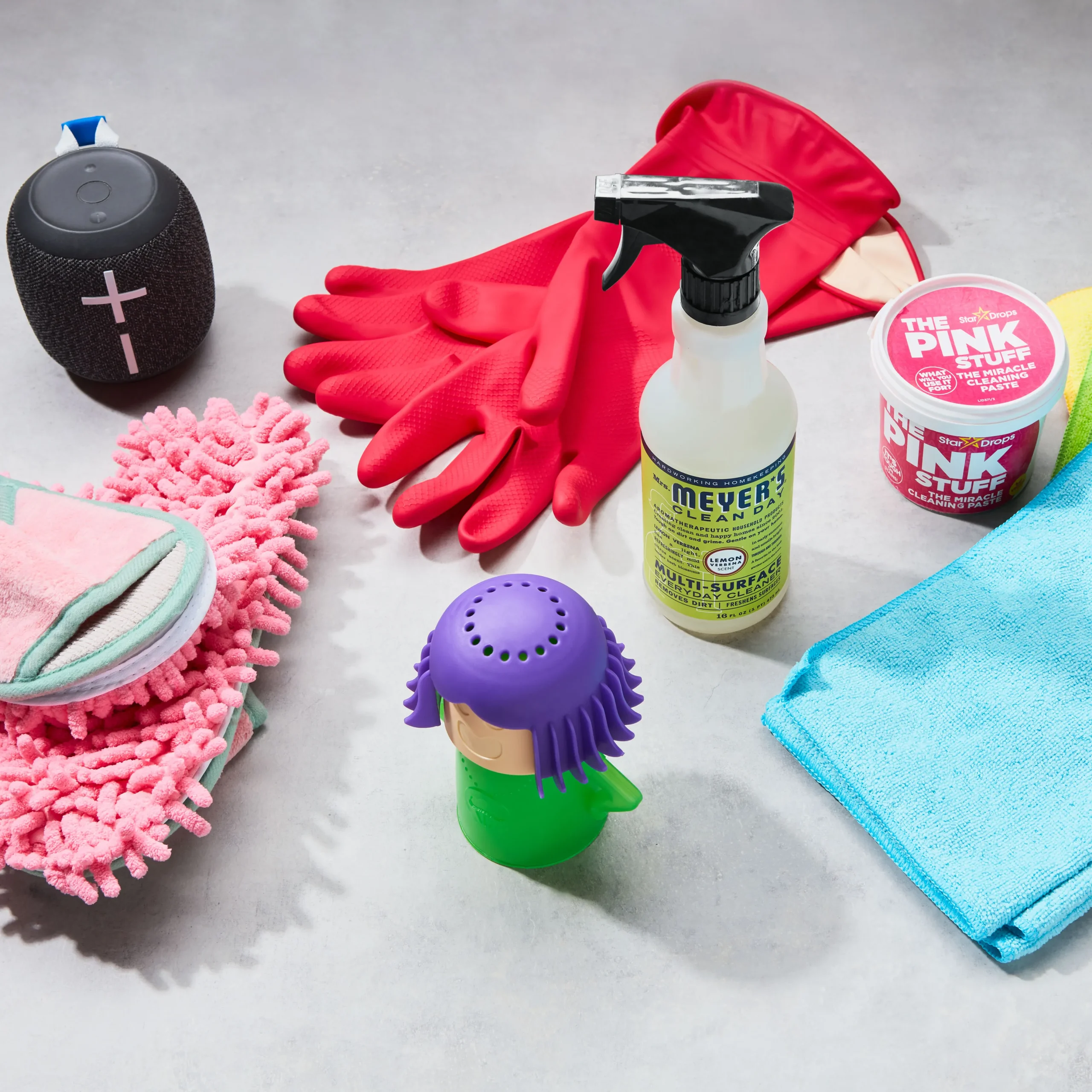
Every homeowner should have a basic understanding of cleaning techniques and routines to keep their home in top shape. Knowing the right methods can save time, prevent damage, and create a healthier living environment. Here are key things every homeowner must know about cleaning:
1. Create a Cleaning Schedule
- Regular vs. Deep Cleaning: Understand the difference between everyday cleaning tasks (like wiping countertops) and deeper, more thorough cleaning (like scrubbing grout). Regular maintenance prevents the need for intense cleaning sessions.
- Daily, Weekly, Monthly Tasks: Set a cleaning schedule to divide tasks into daily (dishes, tidying up), weekly (vacuuming, bathroom cleaning), and monthly (window cleaning, baseboards) to stay organized and avoid overwhelming chores.
2. Know Your Cleaning Products
- Natural vs. Chemical Cleaners: Some surfaces (like wood or stone) require specific cleaners. Know when to use gentle, natural solutions (vinegar, baking soda) and when a stronger, chemical-based cleaner is necessary.
- Read Labels: Always read labels to understand which surfaces a product is safe for, and how to use it properly. For example, some cleaners might be too abrasive for delicate materials like marble or stainless steel.
- Avoid Mixing Cleaners: Never mix cleaning products like bleach and ammonia, as this can create toxic fumes.
3. Clean from Top to Bottom
- Cleaning Order Matters: Start cleaning high surfaces first (dusting shelves, ceiling fans) before moving to lower surfaces like tables and floors. This prevents dirt or dust from falling onto freshly cleaned areas.
4. Use the Right Tools
- Microfiber Cloths: These are essential for dusting, polishing, and cleaning surfaces without scratching them. They’re also reusable and eco-friendly.
- Vacuum Attachments: Learn to use vacuum attachments like the crevice tool (for tight corners) or upholstery brush (for furniture) to clean more efficiently.
- Extendable Dusters: For high areas like ceiling fans and crown molding, an extendable duster can make cleaning easier without needing a ladder.
- Squeegee: A squeegee is essential for streak-free windows and mirrors and can also be used for cleaning shower doors to prevent water spots and soap scum.
5. Address Stains Immediately
- Act Fast on Stains: Whether it’s on carpets, fabrics, or countertops, addressing stains right away increases your chances of removing them. Blot instead of rubbing to avoid spreading or deepening the stain.
- Know Stain Types: Different stains require different treatments. For example:
- Grease stains: Use baking soda or dish soap.
- Red wine: Blot and use salt or white vinegar.
- Ink: Rubbing alcohol often works well.
- Have a Stain Removal Kit: Keep a basic stain removal kit with items like baking soda, white vinegar, hydrogen peroxide, and rubbing alcohol for quick access.
6. How to Properly Clean Floors
- Different Floors, Different Methods: Know how to care for each type of flooring:
- Hardwood: Use a slightly damp mop or specialized wood cleaner. Avoid excessive water, which can cause warping.
- Tile: Clean with mild soap or tile cleaner and scrub grout with a brush if necessary.
- Carpet: Vacuum regularly, and deep clean with a carpet cleaner or steam cleaner every 6-12 months.
- Vacuuming Frequency: High-traffic areas should be vacuumed weekly, while lower-traffic areas can be done less frequently.
7. Disinfect High-Touch Areas
- Focus on Key Areas: Disinfect frequently touched surfaces like doorknobs, light switches, remotes, and countertops. This helps reduce the spread of germs, especially during flu season or after guests visit.
- Use Appropriate Disinfectants: Disinfectants with at least 70% alcohol content or bleach solutions are effective for killing germs. Be sure to allow the product to sit on the surface for the recommended time to work effectively.
8. Clean Air Filters and Vents
- Replace HVAC Filters: Change air filters in your HVAC system every 1-3 months to maintain air quality and prevent dust from circulating through the house.
- Dust Vents and Registers: Dust and clean air vents and return registers regularly to improve air quality and heating/cooling efficiency.
9. Clean and Maintain Appliances
- Refrigerator: Wipe down shelves regularly, remove expired food, and clean the coils behind or underneath the fridge to improve efficiency.
- Oven: Use the self-cleaning function or scrub it with baking soda and vinegar to remove baked-on grease and spills.
- Washing Machine: Clean the drum with a vinegar or commercial cleaner cycle to remove mildew and detergent buildup. Clean the filter if applicable.
- Dishwasher: Run a cleaning cycle with vinegar or baking soda to prevent odor and limescale buildup.
10. Know When to Deep Clean
- Seasonal Cleaning: Plan for deep cleaning during spring and fall, which includes tasks like washing windows, cleaning carpets, and decluttering.
- Post-Event Cleaning: After hosting guests or holidays, a deep clean ensures your home is reset and ready for normal use again.
11. Dealing with Pet Hair and Odors
- Lint Rollers: Use lint rollers for quick removal of pet hair from furniture, clothes, and even lampshades.
- Vacuum Regularly: Vacuuming frequently in areas where pets spend time helps control pet hair and dander.
- Baking Soda for Odors: Sprinkle baking soda on carpets or pet beds to neutralize odors before vacuuming.
- Pet-Safe Cleaners: Ensure the cleaning products you use around pets are safe and non-toxic.
12. Maintain Bathroom Cleanliness
- Prevent Mold and Mildew: Keep the bathroom dry by running the exhaust fan after showers and wiping down tiles and walls. Regularly clean grout to prevent mold buildup.
- Shower Curtain Care: Clean or replace shower curtains and liners frequently to prevent mildew. Fabric curtains can often be machine washed.
- Toilet Care: Clean the toilet bowl weekly using disinfecting cleaners. Don’t forget to clean the handle and surrounding areas.
13. Know How to Tackle Clutter
- Declutter Before Cleaning: Tidying up before you start cleaning helps you clean more efficiently. Try using bins or baskets to store items that tend to accumulate.
- Storage Solutions: Use labeled containers, shelving, and drawer organizers to keep clutter at bay in areas like closets, the kitchen, and the garage.
14. Clean Upholstery and Curtains
- Vacuum Furniture: Regularly vacuum sofas, chairs, and curtains to remove dust and allergens. Use the upholstery attachment on your vacuum for the best results.
- Spot Clean Stains: Always test a small, hidden area of the fabric before using a stain remover. Use water-based cleaners for most fabrics, but consult care instructions for delicate or specialty materials.
15. Keep Cleaning Supplies Organized
- Designated Cleaning Caddy: Keep a caddy stocked with essential cleaning supplies (sponges, sprays, cloths, brushes) so it’s easy to carry from room to room.
- Stock Up: Ensure you always have enough cleaning products and tools on hand to avoid running out in the middle of a task.
By following these key cleaning practices, homeowners can maintain a cleaner, healthier, and more organized living environment. Regular maintenance and using the right tools and techniques will keep your home looking and feeling fresh year-round.
