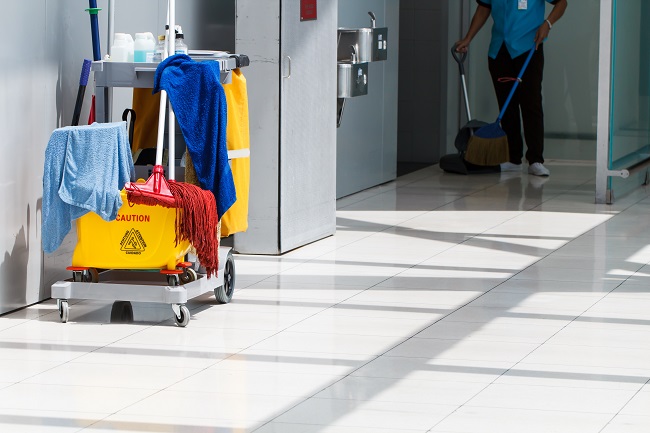
When addressing office and commercial cleaning needs, problem-solving requires a combination of strategic planning, proper resources, and regular maintenance. Here’s a step-by-step approach to tackle common cleaning challenges effectively:
1. Identify Key Cleaning Areas and Needs
Every office or commercial space has unique cleaning requirements. Here’s how to tackle it:
- Problem: Certain areas, like bathrooms, breakrooms, or high-traffic zones, get dirtier faster.
- Solution: Create a list of high-priority areas (entryways, restrooms, kitchenettes) that need frequent cleaning versus low-traffic areas (storage rooms, meeting rooms). Prioritize daily cleanups for these critical zones to maintain hygiene and cleanliness.
2. Implement a Consistent Cleaning Schedule
- Problem: Inconsistent cleaning leads to dirt buildup, clutter, and unsanitary conditions.
- Solution: Develop a cleaning schedule tailored to your office’s traffic flow and usage. For instance, bathrooms should be cleaned daily, while conference rooms may only need weekly attention. Ensure each cleaning task is assigned a frequency—daily, weekly, or monthly.
3. Stock the Right Supplies
- Problem: The wrong or inadequate cleaning supplies can lead to ineffective cleaning.
- Solution: Ensure your cleaning staff or service is equipped with the right products for different tasks (e.g., disinfectants for bathrooms, floor cleaners for various surfaces). Green, eco-friendly cleaning products may be preferable for minimizing chemical exposure in shared office environments.
4. Address High-Touch Surfaces
- Problem: High-touch surfaces (door handles, elevator buttons, light switches) are hotspots for germs.
- Solution: Designate specific staff to disinfect these high-touch areas multiple times a day, especially during flu season or following periods of increased foot traffic.
5. Solve Waste Management Issues
- Problem: Overflowing trash cans, improper recycling, or unemptied bins can cause clutter and odors.
- Solution: Develop a routine for waste disposal and recycling, ensuring bins are emptied regularly. Place adequate trash and recycling bins in common areas and designate staff to handle disposal and cleaning of waste bins.
6. Manage Restroom Cleanliness
- Problem: Restrooms often become dirty quickly in high-traffic commercial spaces, leading to complaints.
- Solution: Implement a more frequent cleaning schedule for restrooms and ensure they are stocked with toilet paper, soap, and hand towels. Automating cleaning routines for restrooms at regular intervals can prevent the buildup of grime.
7. Maintain Clean Floors
- Problem: Foot traffic in commercial spaces results in dirty, scuffed, or slippery floors.
- Solution: Establish a routine for vacuuming, sweeping, and mopping. For areas with heavy foot traffic (entryways, hallways), clean them multiple times a day. Also, regularly deep-clean carpets and polish hard floors to prolong their life and maintain appearance.
8. Address Air Quality and Ventilation
- Problem: Dust accumulation, poor ventilation, and indoor pollutants can affect air quality and employee health.
- Solution: Regularly dust HVAC vents and ensure air filters are changed frequently. Clean window blinds, curtains, and dust all surfaces regularly to minimize dust and allergens. Consider using air purifiers for improved air quality in high-traffic zones.
9. Organize Office and Shared Spaces
- Problem: Cluttered desks, shared workspaces, or break rooms can make cleaning difficult and unhygienic.
- Solution: Implement “clean desk” policies where employees are required to clear personal items from their workstations at the end of the day. Assign areas for proper storage, and encourage staff to keep shared spaces tidy between professional cleanings.
10. Prevent Cross-Contamination
- Problem: Improper cleaning methods can spread germs between different areas (e.g., cleaning bathroom surfaces with the same tools used in kitchens).
- Solution: Use color-coded cleaning supplies (e.g., different cloths for bathrooms and kitchens) and ensure that cleaning tools like mops and brooms are sanitized or switched between areas. Train staff to follow proper sanitation protocols to prevent cross-contamination.
11. Handle Specialty Areas
- Problem: Certain areas like IT rooms, gyms, or medical offices require specialized cleaning approaches.
- Solution: Hire cleaning staff with expertise in cleaning delicate equipment like electronics or industrial spaces. For areas like medical offices, ensure that cleaners are trained in disinfecting procedures to maintain hygiene standards.
12. Solve Communication Issues
- Problem: Miscommunication between the cleaning staff and office management can lead to neglected areas or overlooked tasks.
- Solution: Establish a clear communication channel between office management and cleaning staff. Create a checklist that outlines tasks to be completed and include a system for reporting issues, such as broken equipment, or areas requiring extra attention.
13. Emergency Spills or Cleaning Needs
- Problem: Spills, leaks, or accidents happen unexpectedly and need immediate attention.
- Solution: Equip the office with basic cleaning kits (mop, cloths, cleaning solution) so that minor spills or accidents can be cleaned promptly without waiting for the cleaning crew. For major incidents, have a plan in place to call professional cleaners quickly.
14. Hire a Reliable Cleaning Service
- Problem: Not all cleaning services are equal. Some may not meet your office’s needs, leading to subpar cleanliness.
- Solution: Choose a commercial cleaning service that fits your office’s size, needs, and budget. Ensure they are licensed, insured, and have positive reviews. Regularly review their performance and give feedback to address any issues.
15. Budget for Maintenance and Cleaning
- Problem: Budget constraints may limit the frequency or quality of cleaning.
- Solution: Allocate part of the budget for essential cleaning needs, including periodic deep cleans. In the long run, regular cleaning will save money by extending the life of office furniture, carpets, and equipment.
By following these problem-solving steps, you can ensure that your office or commercial space remains clean, sanitary, and welcoming for both employees and clients.
