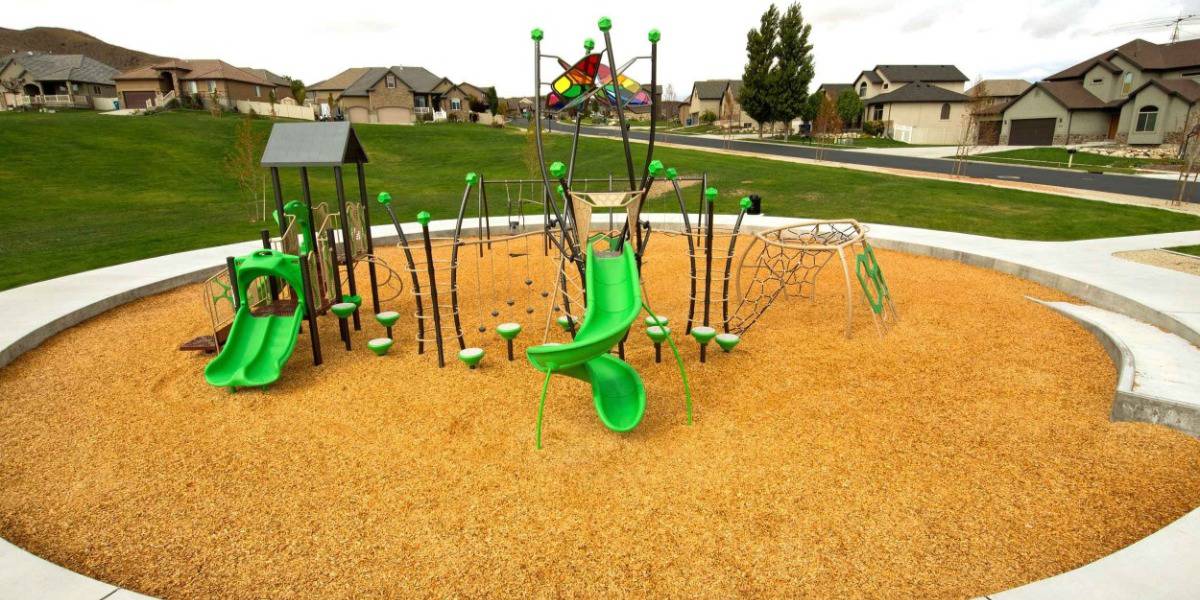
Keeping a playground clean is essential for ensuring the safety and enjoyment of children and the community. A well-maintained playground also reduces the risk of spreading germs, prevents injuries, and extends the lifespan of the equipment. Here are the best ways to keep a playground clean:
1. Set Up Regular Cleaning Schedules
- Daily Spot Checks: Perform daily inspections to remove any trash, debris, or hazardous materials like broken glass or sharp objects.
- Weekly Cleanings: Clean and disinfect playground equipment, benches, and trash bins regularly to ensure hygiene.
- Monthly Deep Cleaning: Conduct a thorough cleaning of the entire playground, including play structures, slides, swings, and ground surfaces.
2. Provide and Maintain Trash Bins
- Install Trash Receptacles: Place trash bins at strategic locations throughout the playground, such as near entrances, exits, seating areas, and picnic spots.
- Use Covered Bins: Ensure trash bins have lids to keep the trash from blowing out and to deter animals from scavenging.
- Empty Trash Regularly: Monitor and empty the bins frequently to prevent overflow and unpleasant odors.
3. Organize Regular Playground Clean-Up Events
- Community Clean-Ups: Involve the local community, parents, and volunteers in organizing regular playground clean-up events. This can create a sense of ownership and pride in keeping the playground tidy.
- School or Club Involvement: Partner with schools, scouting groups, or community clubs to encourage youth participation in playground maintenance.
- Provide Incentives: Offer rewards, such as snacks or certificates, to volunteers who participate in these clean-up events.
4. Encourage Children to Clean Up After Themselves
- Teach Responsibility: Encourage children to take care of their playground by cleaning up after themselves. Posters or signage reminding kids and parents to throw away their trash can help reinforce this message.
- Lead by Example: Show children how to use trash bins and pick up litter through example. Parents, teachers, or supervisors can model this behavior during playground visits.
5. Disinfect Playground Equipment
- Use Safe Cleaning Products: Regularly disinfect high-touch areas like handrails, slides, swing seats, and climbing structures using non-toxic, child-safe disinfectants.
- Cleaning During Off-Hours: Clean and sanitize playground equipment when the playground is less busy, ideally early in the morning or in the evening, to avoid exposure to children while cleaning.
6. Maintain Play Surfaces
- Inspect Ground Surfaces: Check the playground’s ground surface, whether it’s mulch, sand, rubber, or grass, for debris, litter, or hazardous materials.
- Rake and Level Surfaces: Rake mulch or sand regularly to ensure even coverage and smooth out uneven areas that can pose a tripping hazard.
- Replace Damaged Surfaces: If rubber or foam surfaces become damaged, repair or replace them promptly to prevent injuries and maintain cleanliness.
7. Install “No Littering” and Recycling Signs
- Clear Signage: Place visible signs around the playground encouraging visitors to keep the area clean. Signs should remind visitors to use trash and recycling bins.
- Recycling Options: Provide recycling bins alongside trash cans for bottles, cans, and paper to encourage eco-friendly habits.
8. Enforce Playground Rules
- Create Clear Rules: Ensure playground rules are clearly displayed. Include guidelines like no food on the equipment, no littering, and proper use of trash bins.
- Playground Supervision: Supervisors or volunteers can help ensure that these rules are followed and gently remind people to keep the area clean.
9. Control Animal Access
- Install Fencing: If possible, install a fence around the playground to prevent pets and wildlife from entering and leaving waste.
- Pet-Free Zones: Enforce rules that prohibit pets from entering the playground. If the playground is pet-friendly, provide designated pet areas and bags for waste disposal.
10. Inspect for and Remove Graffiti or Vandalism
- Quick Removal: Remove any graffiti or vandalism as soon as it’s spotted to maintain the playground’s appearance and discourage further vandalism.
- Repaint Damaged Areas: Keep supplies like paint and cleaning solvents on hand to touch up playground surfaces or walls affected by graffiti.
11. Use Weather-Resistant and Easy-to-Clean Materials
- Durable Equipment: Install playground equipment made of materials that are weather-resistant and easy to clean, such as coated metal, plastic, or composite wood.
- Low-Maintenance Flooring: Choose surfaces like rubber or artificial turf, which are easier to clean and maintain than sand or mulch.
12. Install Handwashing or Sanitizing Stations
- Hand Sanitizer Dispensers: Place hand sanitizer stations near the entrance or by the playground for children and parents to use before and after play.
- Encourage Handwashing: If there are restrooms nearby, encourage people to wash their hands after playing, especially before eating or touching their faces.
By following these strategies, you can maintain a clean, safe, and enjoyable playground for children and visitors. Regular maintenance, community involvement, and accessible cleaning supplies will keep the playground welcoming and reduce the risk of hazards.
