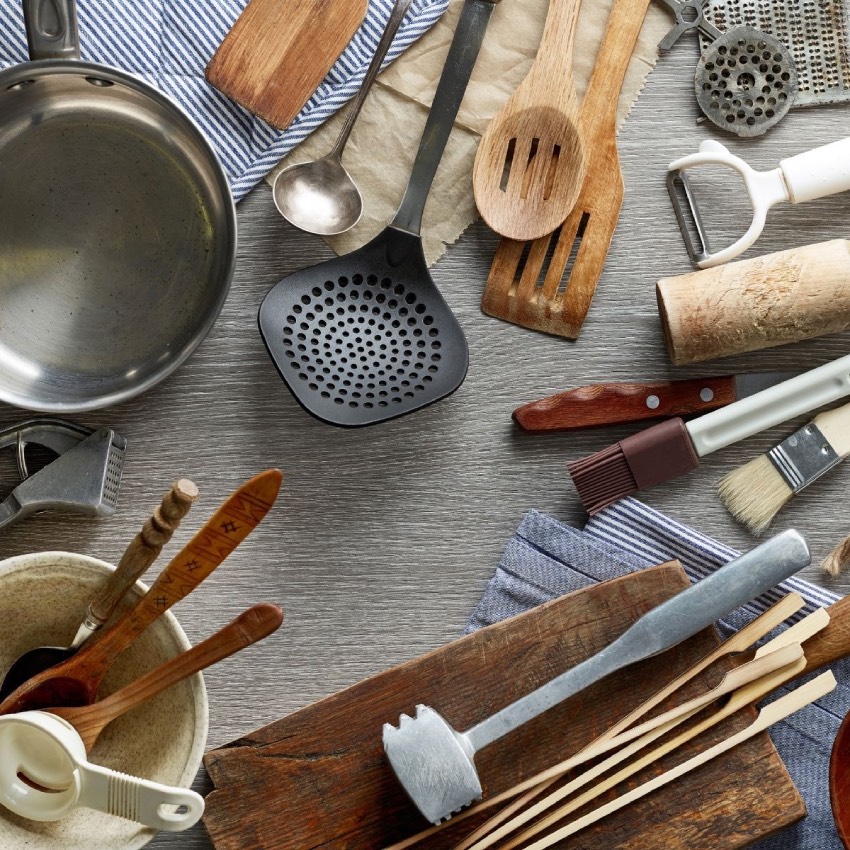
Organizing your kitchen like a pro involves maximizing space, ensuring efficiency, and keeping everything accessible and neatly arranged. Here’s a detailed guide to help you transform your kitchen into a well-organized, functional space:
1. Declutter First
Before organizing, start by decluttering the kitchen. Get rid of items you no longer need or use, such as:
- Expired or unused food from the pantry, fridge, or freezer.
- Duplicate utensils or appliances you rarely use.
- Broken or mismatched dishes or cookware.
2. Categorize Kitchen Items
Sort kitchen items into categories so everything has a designated place:
- Cooking tools: Pots, pans, spatulas, spoons.
- Baking tools: Mixing bowls, measuring cups, baking trays.
- Small appliances: Toasters, blenders, coffee makers.
- Food storage: Containers, Ziploc bags, foil, and cling film.
- Pantry items: Dry goods like rice, pasta, canned goods, and spices.
- Tableware: Plates, bowls, glasses, and cutlery.
3. Create Work Zones
Designate specific areas in the kitchen for different tasks. This will help streamline your workflow:
- Prep Zone: Near the cutting board with knives, mixing bowls, and measuring tools.
- Cooking Zone: Close to the stove with pots, pans, and cooking utensils.
- Baking Zone: A spot for mixing bowls, measuring cups, baking sheets, and baking ingredients.
- Cleaning Zone: Around the sink with dish soap, sponges, and dish towels.
- Storage Zone: A section for food storage items like containers, aluminum foil, and plastic wrap.
4. Use Drawer Organizers
Drawers can easily become cluttered if not organized properly. Invest in organizers to keep things tidy and easy to find.
- Cutlery Tray: Keep forks, knives, and spoons separated.
- Utensil Dividers: Organize cooking utensils, such as spatulas, ladles, and tongs.
- Deep Drawer Inserts: Use deep drawer inserts for storing larger items like pots, pans, and mixing bowls.
5. Maximize Cabinet Space
Cabinets are key to storing kitchen essentials, and they can be optimized with a few smart strategies:
- Adjustable Shelves: Adjust the height of shelves in cabinets to maximize space for different-sized items.
- Shelf Risers: Use shelf risers to create extra levels for plates, bowls, or cups, maximizing vertical space.
- Lazy Susans: For deep or hard-to-reach cabinets, use a lazy Susan to easily access items like spices, sauces, or oils.
- Pull-Out Drawers: Install pull-out shelves in lower cabinets for pots, pans, and baking sheets so you don’t have to bend down to reach the back of the cabinet.
6. Organize the Pantry
A well-organized pantry ensures you can quickly find the ingredients you need and prevents food from going to waste.
- Group Similar Items: Group pantry items into categories like canned goods, grains, pasta, baking supplies, and snacks.
- Clear Containers: Store dry goods like flour, sugar, rice, and pasta in clear, airtight containers. Label them for easy identification.
- Use Bins for Small Items: Use bins or baskets for smaller items like seasoning packets, granola bars, or individual snack packs.
- Tiered Shelving: For cans or spices, use tiered shelves so you can see items in the back easily.
7. Organize the Fridge and Freezer
A neat fridge and freezer make meal prep easier and reduce food waste.
- Clear Bins: Use clear bins to group similar items together, such as dairy, snacks, or condiments.
- Label Shelves: Label shelves to designate spaces for different types of food, like “leftovers,” “fruits,” and “veggies.”
- Use a Lazy Susan: Place a lazy Susan in the fridge to easily access jars and bottles in the back.
- Store Leftovers in Clear Containers: Use clear, stackable containers for leftovers so you can quickly see what needs to be eaten.
- Keep Freezer Organized: Use bins or drawer dividers in the freezer to keep items like frozen veggies, meats, and pre-made meals separated and easy to find.
8. Use Hooks and Racks
Hooks and racks are a great way to use vertical space for extra storage:
- Install a Pot Rack: Hang pots and pans from a ceiling or wall-mounted rack to free up cabinet space.
- Use Magnetic Strips for Knives: Mount a magnetic knife strip on the wall to keep knives accessible and free up counter or drawer space.
- Hang Utensils: Use hooks to hang frequently used utensils, oven mitts, or towels near the stove for easy access.
- Door-Mounted Organizers: Utilize the inside of cabinet or pantry doors to hang organizers for cutting boards, lids, or cleaning supplies.
9. Store Items by Frequency of Use
Place items you use most often in easily accessible spots, and store less frequently used items in harder-to-reach areas:
- Everyday Items: Keep plates, bowls, and glasses in cabinets at eye level or below for easy access.
- Specialty Items: Store seasonal or rarely used items, like holiday baking tools or large serving platters, on higher shelves or in less accessible cabinets.
- Appliances: Keep frequently used appliances, like the coffee maker or blender, on the countertop or in a lower cabinet. Store less frequently used appliances, like slow cookers or food processors, in higher or lower cabinets.
10. Label Everything
Labeling helps keep your kitchen organized long-term by ensuring that everyone in the household knows where things belong.
- Pantry Labels: Use labels on pantry shelves and containers so items are easy to find and return to the correct spot.
- Fridge and Freezer Labels: Label bins and shelves in the fridge and freezer to keep them organized and prevent food from getting lost.
- Cabinet Labels: Inside cabinet doors, place labels indicating where each item belongs, such as “baking supplies” or “cleaning products.”
11. Keep Counters Clear
A clutter-free countertop makes the kitchen feel more organized and gives you more space for food prep.
- Limit Counter Appliances: Only keep frequently used appliances, like the toaster or coffee maker, on the countertop. Store the rest in cabinets or pantry shelves.
- Use Trays: Place items like cooking oils, salt, and pepper on a small tray near the stove for a neat and stylish look.
- Store Small Appliances: If you don’t use certain appliances daily, store them in cabinets rather than leaving them out.
12. Maintain the Organization
To keep your kitchen organized over time, follow these habits:
- Clean as You Go: Put things back in their designated spots as soon as you’re done using them.
- Weekly Tidying: Take a few minutes each week to tidy up and reorganize any areas that have become cluttered.
- Declutter Regularly: Go through cabinets, the fridge, and pantry every few months to remove expired food or items you no longer need.
- Involve the Family: Make sure everyone in the household knows the kitchen’s organization system and encourages them to put things back in the right place.
By following these steps, you can organize your kitchen like a pro, creating a space that is both functional and beautiful, making cooking and meal prep more efficient and enjoyable!
