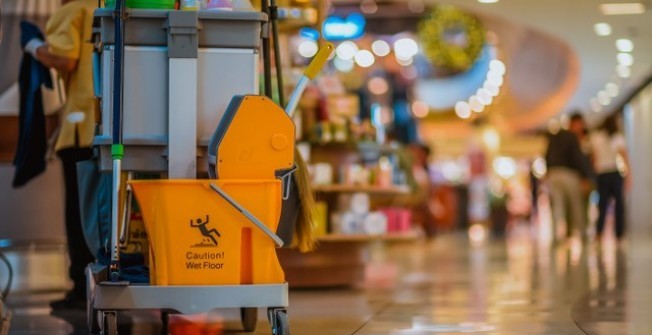
What are the requirements to clean an airport
Cleaning an airport requires stringent adherence to hygiene standards, safety protocols, and efficient coordination due to the high traffic and security-sensitive environment. Here are the key requirements:
Personnel and Training
• Background Checks: All cleaning staff must pass security background checks. • Training: Staff should receive training in general cleaning techniques, use of equipment, handling hazardous materials, and specific protocols for high-traffic and sensitive areas. • Uniforms and Identification: Staff should wear uniforms and carry identification badges at all times.
Equipment and Supplies
• Commercial-Grade Equipment: Use of heavy-duty vacuums, floor scrubbers, pressure washers, and specialized cleaning tools. • Cleaning Chemicals: Approved disinfectants, degreasers, glass cleaners, and other specialized cleaning agents. • Personal Protective Equipment (PPE): Gloves, masks, safety glasses, and other necessary PPE.
General Cleaning Protocols
• Frequency: High-traffic areas should be cleaned multiple times a day. Less frequently used areas can follow a daily or weekly schedule.
• Surface Disinfection: Regular disinfection of all surfaces, especially high-touch areas like handrails, elevator buttons, seating, and counters.
• Waste Management: Regular emptying and cleaning of trash bins, proper disposal of hazardous waste, and recycling protocols.
Specific Area Requirements
• Terminals and Waiting Areas:
• Sweep, mop, and vacuum floors.
• Dust and wipe down all surfaces, including seats, counters, and kiosks.
• Clean windows and glass doors.
• Disinfect high-touch areas.
• Maintain clean and stocked restrooms.
• Restrooms:
• Clean and disinfect toilets, urinals, sinks, and counters.
• Refill soap dispensers, paper towels, and toilet paper.
• Sweep and mop floors with disinfectant.
• Empty trash bins and replace liners.
• Security and Check-In Areas:
• Regularly clean and disinfect bins, trays, and conveyor belts.
• Disinfect high-touch surfaces like counters and screens.
• Maintain cleanliness around security checkpoints.
• Gates and Boarding Areas:
• Sweep and mop floors.
• Clean and disinfect seating, counters, and boarding pass readers.
• Empty and clean trash bins.
• Baggage Claim Areas:
• Sweep, mop, and vacuum floors.
• Clean and disinfect baggage carousels.
• Empty and clean trash bins.
• Food Courts and Retail Areas:
• Clean and disinfect tables, chairs, counters, and food preparation areas.
• Sweep and mop floors.
• Empty and clean trash bins.
Additional Considerations
• Emergency Cleaning Protocols: Procedures for cleaning up spills, biohazards, and other emergencies.
• Communication: coordination with airport management and security to ensure cleaning does not interfere with operations.
• Compliance: Adherence to all health and safety regulations, including those specific to airports.
• Documentation: keeping detailed records of cleaning schedules, procedures, and any incidents.
Effective airport cleaning requires a combination of meticulous planning, proper training, and the use of appropriate cleaning products and equipment to ensure a safe and pleasant environment for passengers and staff.
