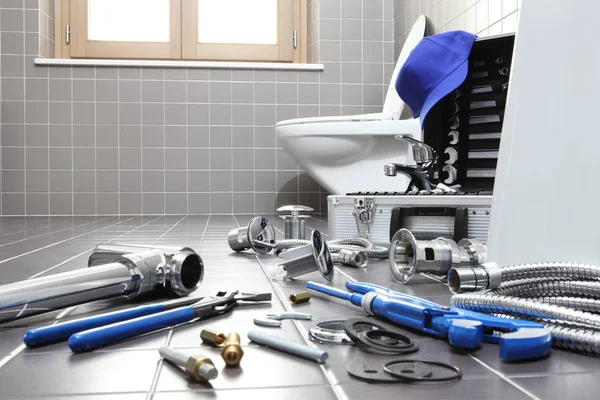
Bathroom Maintenance
Proper restroom care is crucial for maintaining cleanliness, hygiene, and a pleasant environment for users. Effective restroom maintenance involves regular cleaning, disinfecting, and restocking of supplies. Here’s a comprehensive guide to restroom care:
1. Routine Cleaning Tasks
Daily Cleaning
- Trash Removal: Empty trash bins and replace liners.
- Surface Cleaning: Wipe down all surfaces, including counters, sinks, and dispensers, using a disinfectant cleaner.
- Mirror Cleaning: Clean mirrors with a glass cleaner to remove spots and streaks.
- Toilet and Urinal Cleaning: Scrub the inside of toilets and urinals with a toilet bowl cleaner. Wipe down the outside surfaces with a disinfectant.
- Floor Cleaning: Sweep and mop the floors using a disinfectant floor cleaner.
Weekly Cleaning
- Deep Cleaning: Conduct a more thorough cleaning of all surfaces, including walls, partitions, and doors.
- Grout and Tile Cleaning: Scrub grout lines and tiles to remove any buildup of dirt or mildew.
- Drain Maintenance: Pour a drain cleaner down floor drains to prevent clogs and odors.
2. Restocking Supplies
Essential Supplies
- Toilet Paper: Ensure that toilet paper dispensers are fully stocked.
- Hand Soap: Refill soap dispensers with antibacterial hand soap.
- Paper Towels/Air Dryers: Restock paper towel dispensers or ensure air dryers are functioning properly.
- Sanitary Products: Provide and restock sanitary napkins and tampons in women’s restrooms.
- Toilet Seat Covers: Supply toilet seat covers if available.
- Air Fresheners: Ensure air fresheners are in place and functioning to maintain a pleasant odor.
3. Disinfection Procedures
High-Touch Surfaces
- Frequency: Disinfect high-touch surfaces such as door handles, light switches, faucets, flush handles, and dispensers multiple times a day.
- Disinfectant: Use an EPA-approved disinfectant that is effective against a broad spectrum of pathogens.
Full Disinfection
- Application: Apply disinfectant to all restroom surfaces, allowing the recommended dwell time to ensure proper disinfection.
- Focus Areas: Pay special attention to toilets, urinals, sinks, and any areas that come into frequent contact with hands.
4. Odor Control
Ventilation
- Ensure Proper Airflow: Keep ventilation systems operational to reduce moisture and odors.
- Exhaust Fans: Clean exhaust fans regularly to maintain efficiency.
Deodorizers
- Air Fresheners: Use automatic air fresheners or manual sprays to maintain a fresh scent.
- Urinal Blocks: Place deodorizing urinal blocks to reduce urine odor.
5. Preventive Maintenance
Fixture Inspection
- Check for Leaks: Regularly inspect sinks, toilets, and urinals for leaks and repair promptly.
- Functionality: Ensure all fixtures are functioning correctly, including faucets, flush mechanisms, and hand dryers.
Grout and Caulking
- Repair: Replace damaged or missing grout and caulking to prevent water damage and mold growth.
Plumbing
- Drain Clearing: Keep drains clear to prevent blockages and backups.
- Water Pressure: Check water pressure regularly to ensure optimal performance of fixtures.
6. Green Cleaning Practices
Eco-Friendly Products
- Green Cleaners: Use environmentally friendly cleaning products that are biodegradable and non-toxic.
- Low-VOC Products: Choose low-VOC (volatile organic compound) products to improve indoor air quality.
Water Conservation
- Efficient Fixtures: Install water-saving fixtures such as low-flow toilets and faucets.
- Smart Use: Train staff on efficient use of water during cleaning.
7. Safety Considerations
Personal Protective Equipment (PPE)
- Gloves and Masks: Ensure cleaning staff wear appropriate PPE, including gloves and masks, to protect against exposure to cleaning chemicals and pathogens.
Signage
- Wet Floor Signs: Place “Wet Floor” signs during and after mopping to prevent slips and falls.
- Closed for Cleaning: Use signs to indicate when the restroom is closed for cleaning.
8. User Education
Hygiene Signage
- Handwashing: Post signs reminding users to wash their hands thoroughly with soap and water.
- Proper Disposal: Provide instructions on proper disposal of sanitary products and paper towels.
Conclusion
Effective restroom care requires a combination of routine cleaning, thorough disinfection, preventive maintenance, and user education. By following these guidelines, you can maintain a clean, hygienic, and pleasant restroom environment that meets health and safety standards while promoting user satisfaction.
