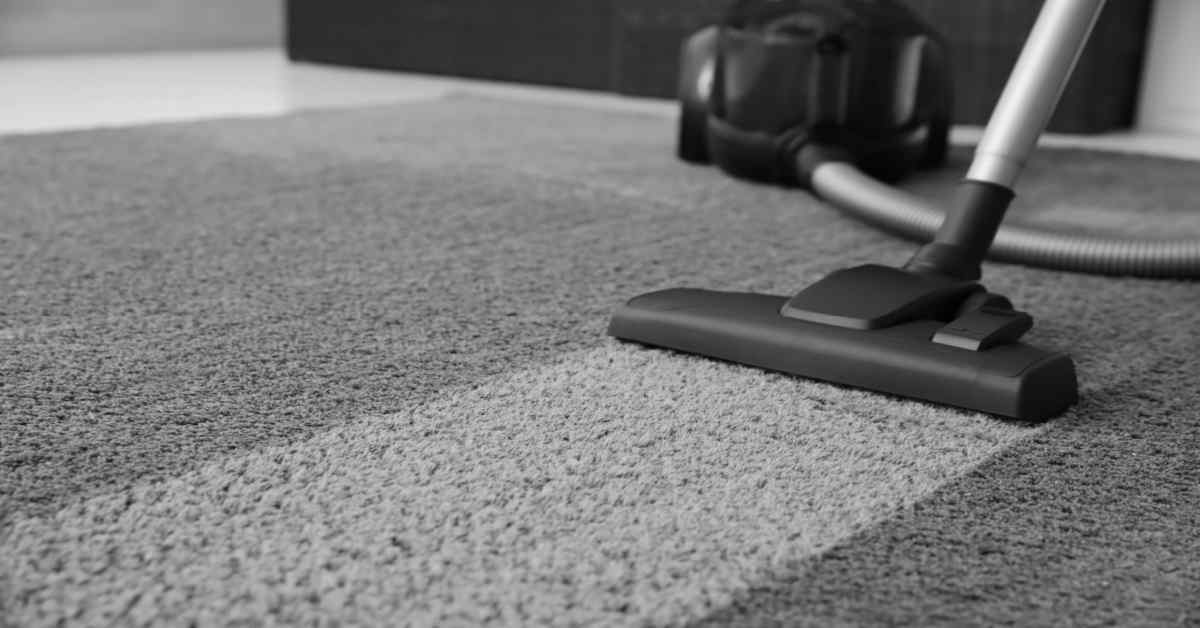
Tag: Carpet Cleaning

Tag: Carpet Cleaning

Carpet Cleaning

Proper carpet care is essential to maintain the appearance, extend the lifespan, and ensure the cleanliness and hygiene of carpets in any setting, including residential, commercial, and hospitality environments. Here’s a comprehensive guide to carpet care:

1. Routine Maintenance

Vacuuming

  • Frequency: Vacuum high-traffic areas daily and other areas at least twice a week.
  • Technique: Use a vacuum with strong suction and a rotating brush to lift dirt and debris. Vacuum slowly to allow the vacuum to pick up embedded dirt.
  • HEPA Filters: Use vacuum cleaners with HEPA filters to capture fine particles and improve indoor air quality.

Spot Cleaning

  • Immediate Action: Treat spills and stains immediately to prevent them from setting.
  • Blotting: Blot (do not rub) the spill with a clean, white cloth to absorb as much liquid as possible.
  • Cleaning Solution: Use a mild carpet cleaner or a homemade solution of water and white vinegar. Test in an inconspicuous area first.
  • Rinsing: Rinse the area with clean water to remove any residue from the cleaning solution.
  • Drying: Blot with a dry cloth and allow the area to air dry.

2. Periodic Deep Cleaning

Steam Cleaning (Hot Water Extraction)

  • Frequency: Schedule professional steam cleaning every 12 to 18 months, or more frequently in high-traffic areas.
  • Method: Hot water and cleaning solution are sprayed onto the carpet, then immediately extracted along with dirt and debris.
  • Drying Time: Allow adequate drying time to prevent mold and mildew growth.

Dry Cleaning

  • Method: Apply a dry cleaning compound to the carpet and use a machine to work it into the fibers. Vacuum up the compound along with the dirt.
  • Benefits: Faster drying time compared to steam cleaning.

3. Preventive Measures

Entrance Mats

  • Placement: Place mats at all entrances to trap dirt and moisture before it reaches the carpet.
  • Maintenance: Clean mats regularly to ensure they remain effective.

Furniture Pads

  • Usage: Place pads under furniture legs to prevent dents and damage to the carpet fibers.

No-Shoes Policy

  • Implementation: Encourage a no-shoes policy to reduce dirt and wear on the carpet.

4. Stain and Odor Management

Stain Removal

  • Identification: Identify the type of stain (e.g., oil, food, ink) and use the appropriate cleaner.
  • Specialized Cleaners: Use enzyme-based cleaners for organic stains and solvent-based cleaners for oil-based stains.

Odor Control

  • Baking Soda: Sprinkle baking soda on the carpet, let it sit for a few hours, then vacuum to neutralize odors.
  • Carpet Deodorizers: Use commercial carpet deodorizers for persistent odors.

5. Maintenance Tools and Equipment

Vacuum Cleaners

  • Type: Choose a vacuum with adjustable height settings to suit different carpet pile heights.
  • Attachments: Use attachments for cleaning edges, corners, and upholstery.

Carpet Cleaners

  • Portable Machines: Invest in a portable carpet cleaner for spot cleaning and small areas.
  • Professional Services: Hire professional carpet cleaning services for large areas and deep cleaning.

6. Green Carpet Care Practices

Eco-Friendly Products

  • Non-Toxic Cleaners: Use environmentally friendly, non-toxic carpet cleaners.
  • Natural Solutions: Opt for natural cleaning solutions like vinegar and baking soda.

Water Conservation

  • Efficient Cleaning: Use the minimum amount of water necessary for cleaning to conserve resources and reduce drying time.

7. Safety Considerations

Chemical Safety

  • Proper Use: Follow manufacturer instructions for all cleaning products and equipment.
  • Ventilation: Ensure proper ventilation when using cleaning solutions to avoid inhaling fumes.

Slip and Fall Prevention

  • Drying: Ensure carpets are completely dry before allowing foot traffic to prevent slips and falls.

Conclusion

Effective carpet care involves regular maintenance, prompt spot cleaning, periodic deep cleaning, and preventive measures to keep carpets looking their best and lasting longer. By incorporating green cleaning practices and ensuring safety, you can maintain a clean, healthy, and visually appealing carpet in any environment.

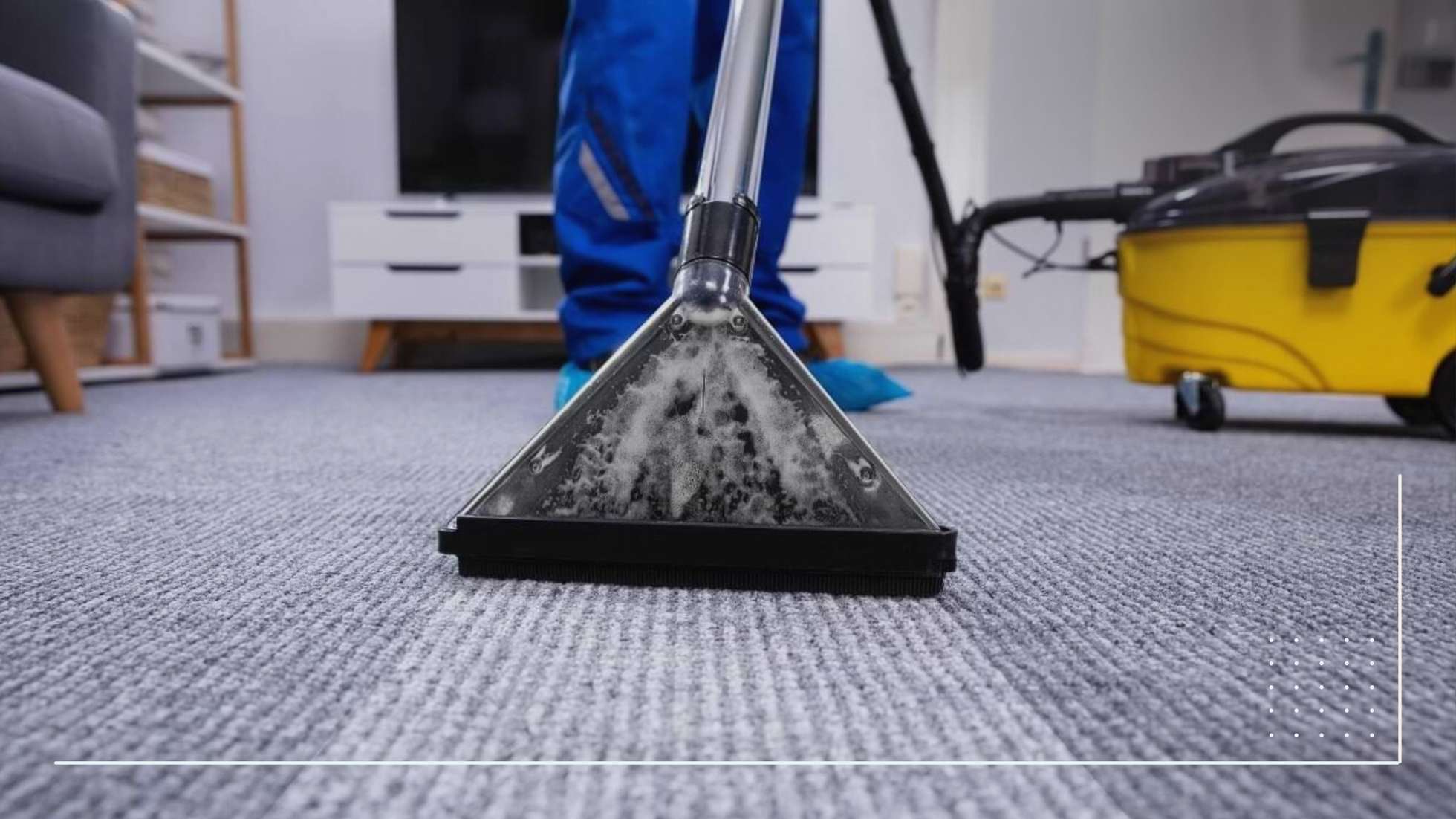
Expert Carpet Cleaning for Your Company

Professional carpet maintenance is crucial for maintaining a clean and attractive business environment, extending the life of your carpets, and ensuring a healthy workplace. Here’s a comprehensive guide on how to effectively maintain carpets in a commercial setting:

Key Steps in Professional Carpet Maintenance:

1. Routine Cleaning: • Vacuuming: Regular vacuuming is essential to remove dirt and debris. High-traffic areas should be vacuumed daily, while less frequently used areas can be vacuumed a few times a week. • Spot Cleaning: Address spills and stains immediately to prevent them from setting. Use appropriate carpet cleaning solutions for different types of stains (e.g., coffee, ink, food). 2. Deep Cleaning: • Scheduled Deep Cleaning: Implement a regular schedule for deep cleaning, typically every 6 to 12 months, depending on foot traffic and usage. • Hot Water Extraction: Often referred to as steam cleaning, this method uses hot water and cleaning agents to deep clean the carpet fibers, followed by powerful extraction to remove dirt and moisture. • Dry Cleaning: A low-moisture method that uses specialized cleaning compounds to clean carpets. It is suitable for areas that need to be back in use quickly. 3. Preventive Measures: • Entry Mats: Place mats at entrances to trap dirt and moisture before they are tracked onto the carpet. Ensure mats are cleaned regularly. • Furniture Pads: Use pads under furniture legs to prevent indentations and wear on the carpet. • Regular Inspections: Conduct periodic inspections to identify areas that need attention and address any issues promptly.

Specialized Carpet Maintenance Techniques:

1. Encapsulation Cleaning: • Process: Involves applying a special cleaning solution that encapsulates dirt particles. Once the solution dries, the encapsulated dirt is vacuumed away. • Benefits: Quick drying time and effective for maintaining appearance between deep cleanings. 2. Bonnet Cleaning: • Process: Uses a rotary machine with a cleaning pad soaked in a cleaning solution. The machine agitates the carpet fibers, and the pad absorbs dirt. • Benefits: Good for surface cleaning and quick drying but may not be as effective for deep cleaning. 3. Carpet Protection: • Application: Apply carpet protectors or sealants that create a barrier against spills and stains. • Benefits: Helps to prolong the life of the carpet and makes routine cleaning easier.

Choosing a Professional Carpet Maintenance Service:

1. Experience and Expertise: • Look for companies with a proven track record and expertise in handling various types of carpet cleaning tasks. • Ensure the technicians are trained and certified in using carpet cleaning equipment and techniques. 2. Equipment and Technology: • Ensure the company uses modern, high-quality carpet cleaning equipment. • Check if they offer both hot and cold water extraction, dry cleaning, and encapsulation cleaning services. 3. Safety and Environmental Practices: • Verify that the company follows safety protocols to protect both their workers and your property. • Inquire about environmentally friendly cleaning solutions and practices to minimize environmental impact. 4. Insurance and Licenses: • Ensure the company is fully insured and licensed to operate in your area. • This protects you from liability in case of accidents or damage during the cleaning process. 5. References and Reviews: • Ask for references and check online reviews to gauge customer satisfaction and service quality.

Preparing for Carpet Maintenance:

1. Clear the Area: • Remove furniture, equipment, and other obstacles from the area to be cleaned. • Inform the carpet cleaning service of any large items that need to be moved. 2. Communicate Specific Needs: • Inform the carpet cleaning service of any specific concerns or areas that need special attention. • Highlight any stains or problem areas that may require additional treatment.

Post-Service Care:

1. Inspect the Area: • Conduct a thorough inspection after the service to ensure all areas have been cleaned to your satisfaction. • Address any concerns with the service provider promptly. 2. Maintenance Plan: • Establish a regular carpet maintenance schedule to keep your carpets in optimal condition. • Follow any recommended maintenance tips provided by the carpet cleaning service.

Benefits of Professional Carpet Maintenance:

• Improved Appearance: Regular maintenance keeps carpets looking clean and professional. • Extended Carpet Life: Proper care prevents wear and tear, extending the lifespan of the carpet. • Healthier Environment: Regular cleaning reduces allergens, bacteria, and pollutants, contributing to a healthier indoor environment. • Cost Savings: Preventive maintenance can reduce the need for expensive repairs or premature replacement.

By implementing a comprehensive carpet maintenance plan and choosing a professional service, businesses can ensure their carpets remain clean, attractive, and in good condition, enhancing the overall appearance and health of their premises.