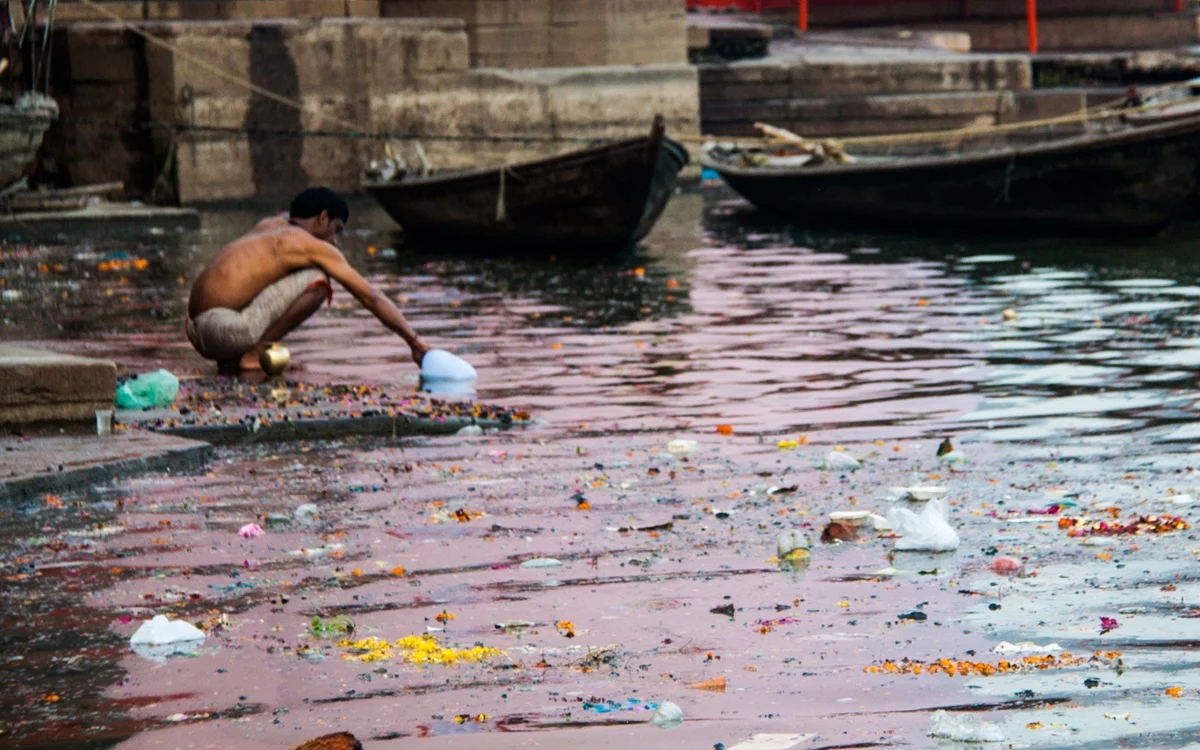
REASONS WHY WE NEED CLEAN ENVIROMENT
A clean environment is crucial for many reasons, affecting our health, well-being, and overall quality of life. Here are some key reasons why we need a clean environment:
1. Health and Well-being
- Prevention of Diseases: A clean environment reduces the spread of harmful pathogens, bacteria, and viruses, lowering the risk of diseases and infections.
- Better Air Quality: Clean air is essential for respiratory health. A clean environment minimizes air pollution, which can cause respiratory issues, heart disease, and other health problems.
- Mental Health: A clean, organized space promotes mental well-being, reducing stress, anxiety, and depression.
2. Protection of Ecosystems
- Preservation of Wildlife: A clean environment helps protect ecosystems and wildlife by reducing pollution and habitat destruction.
- Biodiversity: Clean environments support diverse ecosystems, allowing plants and animals to thrive, which is crucial for a balanced and healthy planet.
3. Sustainability and Resource Conservation
- Reducing Waste: A clean environment encourages waste reduction, recycling, and responsible consumption, helping conserve natural resources.
- Sustainable Living: Clean environments support sustainable practices like composting, water conservation, and energy efficiency, ensuring resources are available for future generations.
4. Economic Benefits
- Tourism and Recreation: Clean environments attract tourists and boost local economies through eco-tourism and outdoor recreational activities.
- Reduced Healthcare Costs: A cleaner environment leads to fewer health issues, which can reduce the burden on healthcare systems and lower medical costs.
5. Quality of Life
- Aesthetic Value: Clean surroundings are more visually appealing, enhancing the quality of life and making communities more enjoyable to live in.
- Community Pride: A clean environment fosters a sense of community pride and responsibility, encouraging people to take care of their surroundings.
6. Climate Change Mitigation
- Carbon Sequestration: Clean, green spaces, such as forests and parks, play a vital role in absorbing carbon dioxide, helping to mitigate the effects of climate change.
- Reduction of Greenhouse Gases: Minimizing pollution and waste contributes to lower greenhouse gas emissions, which are critical for combating global warming.
7. Safe Water and Food Supply
- Clean Water: A clean environment ensures that water sources are not contaminated, providing safe drinking water and supporting agriculture.
- Food Safety: Clean soil and air are essential for growing safe, nutritious food, free from harmful chemicals and pollutants.
8. Legal and Ethical Responsibilities
- Regulatory Compliance: Maintaining a clean environment helps individuals and businesses comply with environmental laws and regulations, avoiding fines and legal issues.
- Moral Obligation: We have a moral responsibility to protect the planet for future generations, ensuring they inherit a world that is healthy and habitable.
In summary, a clean environment is fundamental to our health, the health of the planet, and the sustainability of our resources. It enhances the quality of life, supports biodiversity, and is essential for a thriving, balanced ecosystem.
