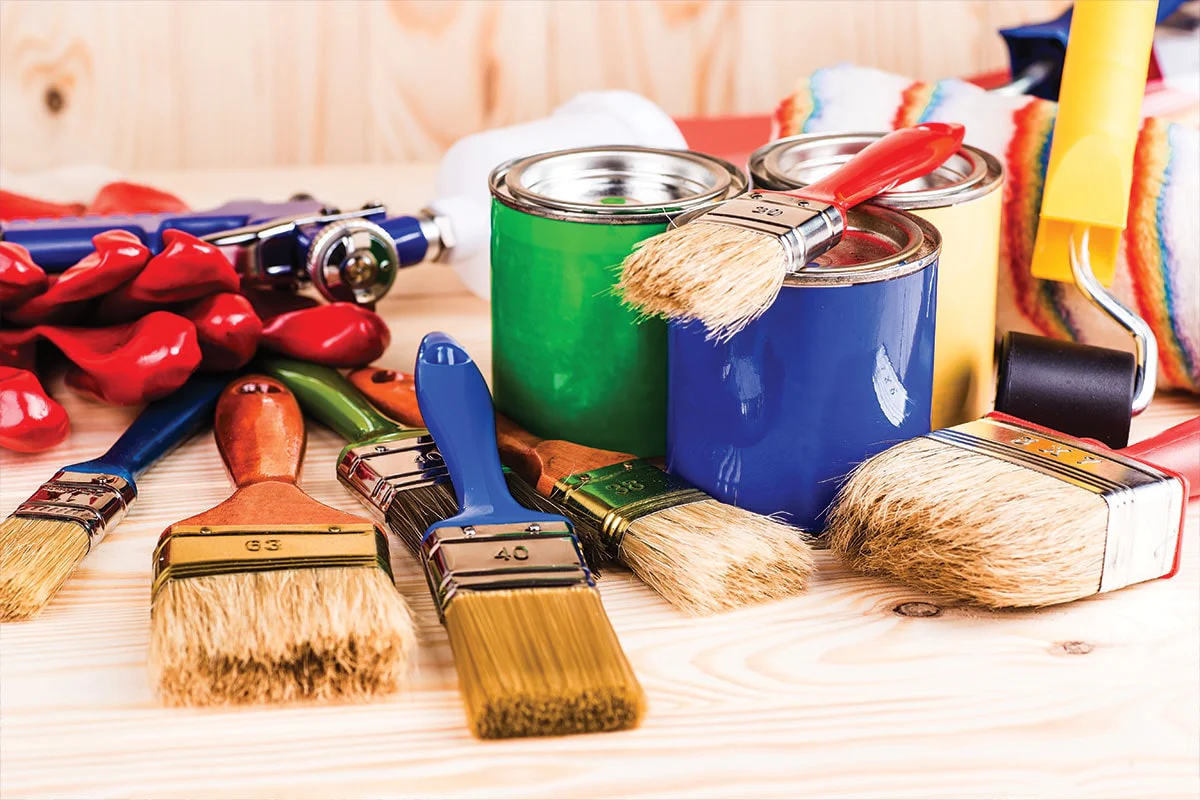
Paintable cleaning materials for homes
If you’re looking to clean surfaces in preparation for painting, it’s important to use the right supplies to ensure that the paint adheres properly and lasts. Here’s a list of essential paintable house cleaning supplies and tips for effectively preparing surfaces before painting:
Essential Paintable House Cleaning Supplies
- TSP (Trisodium Phosphate)
- Purpose: TSP is a powerful cleaner often used to remove grease, grime, mildew, and chalky residue from walls and surfaces before painting. It ensures a clean, residue-free surface for better paint adhesion.
- Usage: Mix with water according to the manufacturer’s instructions. Apply with a sponge or cloth, then rinse thoroughly with clean water.
- Degreaser
- Purpose: Use a degreaser for areas with heavy grease buildup, like kitchens. It helps remove stubborn grease and oil, which can prevent paint from sticking.
- Usage: Apply the degreaser to the surface, scrub if necessary, and rinse with water.
- Soap and Water
- Purpose: For general cleaning, a mild soap and water solution can be used to clean walls, baseboards, and trim.
- Usage: Mix a small amount of dish soap with warm water, wipe down surfaces, and rinse with clean water.
- Sanding Sponge or Sandpaper (120- to 220-grit)
- Purpose: After cleaning, lightly sand surfaces to smooth them out and remove any gloss from previous paint. This helps the new paint adhere better.
- Usage: Sand the surface in a circular or back-and-forth motion, then wipe away dust with a damp cloth.
- Spackling Paste and Putty Knife
- Purpose: Fill in holes, cracks, or imperfections in the wall before painting to ensure a smooth, even surface.
- Usage: Apply spackling paste with a putty knife, smooth it out, let it dry, then sand lightly if needed.
- Mildew Cleaner
- Purpose: In areas prone to moisture, such as bathrooms, use a mildew cleaner to remove mildew and prevent it from interfering with the paint job.
- Usage: Apply the cleaner, scrub the area, and rinse thoroughly.
- Vinegar and Water Solution
- Purpose: For eco-friendly cleaning, a mixture of vinegar and water can effectively clean surfaces and remove odors.
- Usage: Mix equal parts vinegar and water, apply with a cloth, and wipe the surface clean. Rinse with water afterward.
- Tack Cloth
- Purpose: After cleaning and sanding, a tack cloth helps remove fine dust and debris from the surface before painting.
- Usage: Lightly wipe the surface with the tack cloth to pick up any remaining particles.
- Protective Gear
- Gloves: Protect your hands from harsh chemicals, especially when using TSP or a strong degreaser.
- Safety Goggles: Protect your eyes from splashes.
- Mask: Wear a mask if you’re sanding to avoid inhaling dust.
- Buckets and Sponges
- Purpose: For mixing and applying cleaning solutions.
- Usage: Use a separate sponge for each type of cleaner to avoid cross-contamination.
Cleaning Steps Before Painting
- Dust and Vacuum: Begin by removing any dust and debris from the surface using a duster or vacuum cleaner. This ensures that your cleaning solutions will work more effectively.
- Clean the Surface: Use the appropriate cleaning solution for the type of dirt or stains on the surface. For general grime, use soap and water. For grease, use a degreaser. For heavy-duty cleaning, use TSP.
- Rinse Thoroughly: Always rinse the cleaned surfaces with clean water to remove any cleaning product residue, which can interfere with paint adhesion.
- Dry the Surface: Allow the surface to dry completely before moving on to sanding or applying any spackling.
- Sand the Surface: Lightly sand the surface to remove any gloss and create a smooth surface for painting. Wipe away sanding dust with a damp cloth or tack cloth.
- Fill Holes and Cracks: Use spackling paste to fill any imperfections in the surface. Once dry, sand the spackling smooth and remove any dust.
- Final Wipe Down: After all cleaning and sanding is done, use a tack cloth to remove any final dust particles.
Summary
For paintable house cleaning, use supplies like TSP, degreasers, soap and water, sanding tools, and spackling paste to prepare surfaces for painting. Properly cleaning, rinsing, drying, sanding, and filling surfaces before painting ensures that the paint will adhere properly and result in a smooth, long-lasting finish.
