What cleaning steps are there?
The cleaning stages are a systematic approach to ensure thorough and effective cleaning. These stages apply to various cleaning tasks in residential, commercial, or industrial settings. Here are the key stages:
1. Preparation
- Gather Supplies: Before starting, collect all necessary cleaning tools, products, and personal protective equipment (PPE).
- Clear the Area: Remove clutter, furniture, or obstacles that may hinder the cleaning process.
- Ventilation: Ensure proper ventilation if you’re using strong cleaning chemicals.
2. Initial Inspection
- Assess the Area: Inspect the area or surface to identify the type and level of dirt, stains, or debris present.
- Identify Specific Needs: Determine if any specific areas need special attention, such as heavily soiled spots or stains.
3. Dusting and Dry Cleaning
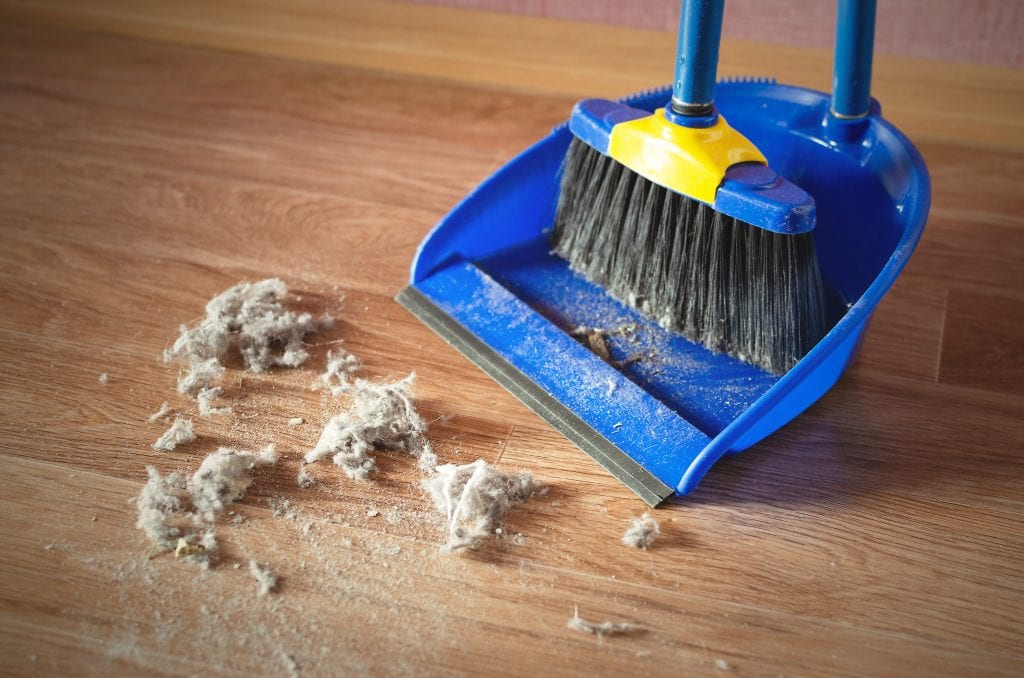
- Remove Loose Dirt and Dust: Start by dusting surfaces, sweeping floors, or vacuuming carpets to remove loose dirt, dust, and debris.
- Dry Cleaning: Use a dry cloth or duster to clean delicate surfaces or areas where moisture could cause damage.
4. Cleaning
- Apply Cleaning Agents: Apply appropriate cleaning solutions to the surfaces, whether it’s a disinfectant, detergent, or specialized cleaner.
- Scrubbing or Agitating: Use sponges, brushes, or cloths to scrub the surface and remove dirt and grime. For tougher stains, allow the cleaner to sit for a few minutes before scrubbing.
- Mechanical Action: For large areas or stubborn dirt, use mechanical equipment like floor scrubbers, carpet cleaners, or pressure washers.
5. Rinsing
- Remove Residue: Rinse the cleaned surfaces with clean water to remove any cleaning product residue. This step is crucial to prevent streaks or buildup.
- Wipe Down: Use a damp cloth or mop to wipe down the rinsed surfaces, ensuring all residues are removed.
6. Drying
- Air Dry or Towel Dry: Allow surfaces to air dry or use clean, dry towels to speed up the drying process, especially for surfaces that should not remain wet.
- Prevent Moisture Buildup: Ensure adequate ventilation or use fans to prevent moisture buildup, which can lead to mold or mildew.
7. Disinfection (if necessary)
- Apply Disinfectants: After cleaning, apply a disinfectant to surfaces that require sanitization, especially in kitchens, bathrooms, or healthcare settings.
- Contact Time: Allow the disinfectant to sit for the recommended contact time to effectively kill germs and bacteria.
- Final Rinse (if necessary): Some disinfectants may require a final rinse after application to remove chemical residues.
8. Final Inspection
- Check for Missed Spots: Conduct a final inspection to ensure all areas have been cleaned thoroughly and no spots were missed.
- Touch-Ups: Perform any necessary touch-ups or spot cleaning if areas were overlooked or not adequately cleaned.
9. Waste Disposal
- Proper Disposal: Dispose of any waste, including used cleaning supplies, dirt, and debris, appropriately.
- Environmental Considerations: Follow proper guidelines for disposing of hazardous materials or chemicals.
10. Reorganization and Restoration
- Return Items: Replace furniture, appliances, or items that were moved during the cleaning process.
- Final Check: Ensure that everything is back in its place and that the cleaned area is orderly and presentable.
11. Documentation (for professional cleaning)
- Record Keeping: For commercial or professional cleaning jobs, document the work completed, including the cleaning agents used and any specific issues encountered.
- Client Communication: If applicable, communicate with the client to confirm satisfaction and address any concerns.
Summary
The stages of cleaning include preparation, initial inspection, dusting and dry cleaning, cleaning, rinsing, drying, disinfection, final inspection, waste disposal, reorganization, and documentation. This structured approach ensures a thorough and effective cleaning process, leading to a clean, safe, and orderly environment.
