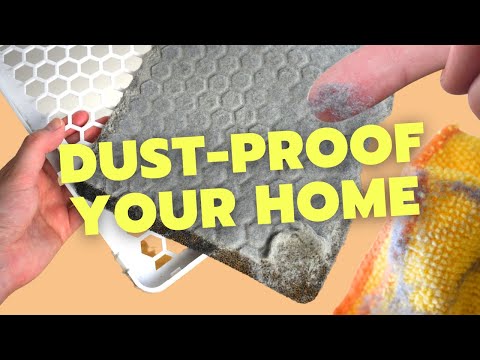
best tips to eliminate and control dust in your home
Controlling and eliminating dust in your home is essential for maintaining a clean, healthy environment. Here are some of the best tips to help you manage dust effectively:
1. Regular Dusting
Use Microfiber Cloths
- Microfiber cloths are highly effective at trapping dust, unlike feather dusters which can just move dust around. Dust surfaces regularly using a slightly damp microfiber cloth to capture dust particles.
Top-to-Bottom Approach
- Start dusting from the highest surfaces, such as shelves and light fixtures, and work your way down. This ensures that any dust that falls will be captured as you clean lower surfaces.
2. Vacuum Frequently
HEPA Filter Vacuums
- Use a vacuum cleaner with a HEPA (High-Efficiency Particulate Air) filter. HEPA filters trap small particles like dust, pollen, and pet dander, preventing them from being recirculated into the air.
Vacuum Upholstery and Curtains
- Don’t forget to vacuum upholstered furniture, curtains, and other fabric surfaces where dust can accumulate. Use appropriate attachments to reach corners and crevices.
Vacuum Floors Regularly
- Vacuum carpets and rugs at least twice a week. For hard floors, vacuum first to remove loose dust, then mop to capture remaining particles.
3. Keep Floors Clean
Use Doormats
- Place doormats at every entrance to catch dirt and dust before it enters your home. Encourage everyone to wipe their shoes thoroughly before coming inside.
Remove Shoes Indoors
- Adopt a no-shoes policy inside your home to prevent tracking in dust and dirt from outside.
Mop Hard Floors
- Use a damp mop on hard floors regularly. Microfiber mops are particularly effective at picking up fine dust particles.
4. Reduce Clutter
Minimize Dust-Catching Clutter
- The more objects you have in a room, the more places there are for dust to settle. Keep surfaces clear and store items in closed cabinets or drawers.
Organize Bookshelves
- Dust bookshelves regularly and consider using glass doors to keep books and collectibles dust-free.
5. Improve Air Quality
Air Purifiers
- Use air purifiers with HEPA filters to capture airborne dust particles, especially in rooms where dust tends to accumulate the most.
Humidity Control
- Maintain indoor humidity levels between 40-60%. Too much humidity can create a breeding ground for dust mites, while too little can cause dust to become airborne easily. Consider using a humidifier or dehumidifier as needed.
Change Air Filters
- Regularly change the filters in your HVAC system. Use high-quality filters that can trap small dust particles, and change them every 1-3 months depending on usage.
6. Clean Bedding Regularly
Wash Sheets and Pillowcases
- Wash sheets, pillowcases, and blankets weekly in hot water to eliminate dust mites and skin flakes that contribute to dust buildup.
Encasements for Pillows and Mattresses
- Use allergen-proof covers on pillows, mattresses, and box springs to prevent dust mites from settling in.
Avoid Heavy Bedding
- Opt for lightweight, easy-to-wash bedding rather than heavy comforters that can harbor dust.
7. Clean or Replace Carpets and Rugs
Regular Carpet Cleaning
- Carpets are major dust collectors. Vacuum regularly and consider professional steam cleaning every 6-12 months.
Rug Care
- Wash or shake out small rugs frequently. Consider replacing old rugs that have become too dusty to clean effectively.
8. Window Treatments
Dust Blinds and Shades
- Dust blinds regularly using a microfiber cloth or vacuum with a brush attachment. Wash or vacuum fabric shades as needed.
Wash Curtains
- Wash curtains or drapes every few months, or replace them with dust-resistant alternatives like blinds or shades.
9. Groom Pets Regularly
Regular Pet Grooming
- Brush and bathe your pets regularly to reduce the amount of hair and dander they shed around your home.
Pet Bedding
- Wash pet bedding frequently to control pet hair and dander that contribute to dust.
10. Clean Air Ducts
Duct Cleaning
- Consider having your air ducts professionally cleaned every few years to remove dust and debris that may have accumulated and is being circulated throughout your home.
Summary
Controlling dust in your home requires a combination of regular cleaning, reducing clutter, improving air quality, and managing fabric surfaces. By incorporating these tips into your cleaning routine, you can significantly reduce dust and maintain a cleaner, healthier living environment.
