How to clean an elevator
Cleaning an elevator requires a systematic approach to ensure both safety and thoroughness. Here’s a step-by-step guide on how to clean an elevator effectively:
1. Safety First
- Secure the Elevator: Before starting, put the elevator out of service to avoid interruptions and ensure safety. Place a sign indicating that the elevator is temporarily out of use.
- Wear Protective Gear: Depending on the cleaning agents used, wear gloves and, if necessary, a mask to protect yourself from chemicals and dust.
2. Dust and Debris Removal
- Start at the Top: Begin by dusting the ceiling and light fixtures, using a microfiber cloth or duster to avoid leaving particles behind.
- Vacuum: Use a vacuum cleaner with a brush attachment to remove dust and debris from the corners, tracks, and floor. Pay special attention to the door tracks where debris can accumulate.
3. Clean Walls and Doors
- Stainless Steel Panels: Most elevators have stainless steel interiors. Use a non-abrasive stainless steel cleaner or a mixture of mild dish soap and water. Apply with a microfiber cloth, wiping in the direction of the grain to avoid scratches.
- Glass or Mirrors: If the elevator has glass panels or mirrors, use a glass cleaner to remove fingerprints and smudges. Wipe with a lint-free cloth or paper towel.
- Wood Panels: For elevators with wood interiors, use a wood cleaner or a damp cloth with mild soap. Follow up with a dry cloth to remove any excess moisture.
4. Clean the Control Panel
- Disinfect Buttons: The control panel is one of the most frequently touched surfaces in an elevator. Use a disinfectant wipe or spray a disinfectant on a cloth to clean the buttons and surrounding areas. Avoid spraying directly onto the buttons to prevent liquid from seeping into the electronics.
- Polish if Necessary: If the control panel is stainless steel or another metal, follow up with a metal polish to remove streaks.
5. Clean the Floor
- Vacuum Thoroughly: Start by vacuuming the floor to remove loose dirt and debris.
- Spot Clean or Mop: Depending on the type of flooring (carpet, vinyl, tile, etc.), spot clean any stains or mop the floor. Use appropriate cleaning solutions for the flooring type to avoid damage.
- Replace Mats: If the elevator has floor mats, remove them for separate cleaning. Shake out any debris, vacuum, and clean with a carpet cleaner or appropriate solution.
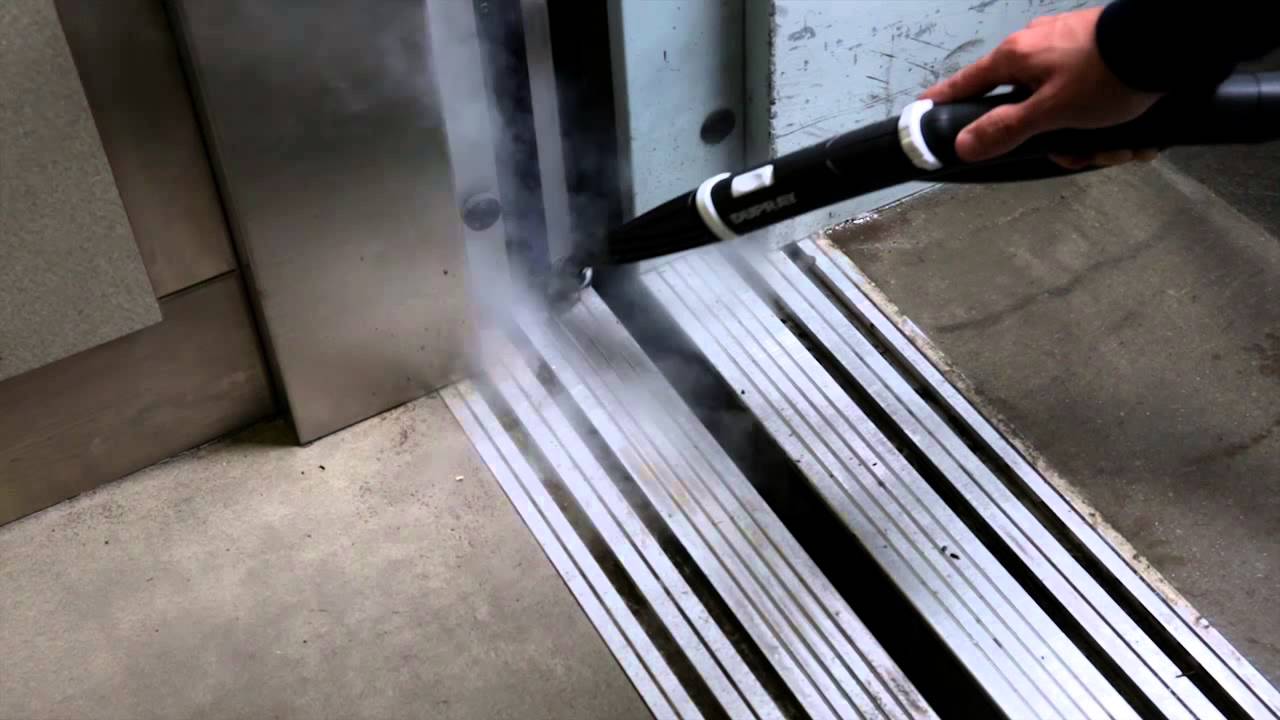
6. Clean the Door Tracks
- Vacuum the Tracks: Elevator door tracks can collect a lot of dirt and debris, which can affect door operation. Vacuum the tracks thoroughly.
- Wipe Down: Use a damp cloth to wipe down the tracks. For stubborn dirt, a small brush or an old toothbrush can help.
7. Polish and Finish
- Polish Surfaces: Once all surfaces are clean, use a stainless steel or metal polish to give a finishing shine to metal surfaces.
- Check for Smudges: Do a final check for smudges or spots on the walls, doors, and control panel, and touch them up as needed.
8. Air Freshening
- Deodorize: Consider placing a discreet air freshener or deodorizer in the elevator to keep it smelling fresh. However, avoid strong scents that may be overpowering in a small, enclosed space.
9. Final Inspection
- Inspect and Test: After cleaning, inspect the elevator to ensure all areas are spotless. Test the elevator to ensure it’s functioning correctly before putting it back into service.
By following these steps, you’ll ensure the elevator is clean, sanitized, and welcoming for users.
