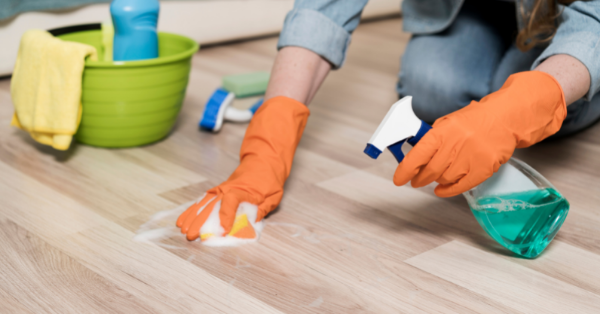
Floor Maintenance
Effective floor care is essential for maintaining the appearance, safety, and longevity of flooring in any facility, including aircraft. It involves regular cleaning, maintenance, and protection of floor surfaces. Here’s a comprehensive guide to floor care:
Types of Flooring and Their Care Needs
Carpeted Floors
Vacuuming: Regular vacuuming to remove dirt, dust, and debris. Use high-efficiency particulate air (HEPA) filters to improve air quality.
Spot Cleaning: Immediate treatment of spills and stains with appropriate carpet cleaners.
Deep Cleaning: Periodic steam cleaning or hot water extraction to remove embedded dirt and allergens.
Hard Floors (Vinyl, Tile, Linoleum)
Sweeping/Dust Mopping: Daily sweeping or dust mopping to remove loose dirt and debris.
Wet Mopping: Regular wet mopping with a neutral pH cleaner to remove grime and maintain shine.
Scrubbing: Periodic machine scrubbing to remove heavy soil and scuff marks.
Wood Floors
Dust Mopping: Regular dust mopping to prevent dirt and grit from scratching the surface.
Damp Mopping: Use a damp mop with a wood floor cleaner for routine cleaning. Avoid excessive water.
Polishing: Periodic polishing to restore shine and protect the finish.
Stone Floors (Marble, Granite, Terrazzo)
Dust Mopping: Daily dust mopping to remove abrasive particles.
Damp Mopping: Use a damp mop with a pH-neutral cleaner suitable for stone surfaces.
Sealing: Periodic sealing to protect against stains and moisture.
General Floor Care Procedures
Daily Maintenance
Inspection: Regularly inspect floors for any damage, spills, or dirt buildup.
Routine Cleaning: Perform daily sweeping, dust mopping, or vacuuming to keep floors free of loose dirt and debris.
Periodic Maintenance
Deep Cleaning: Schedule regular deep cleaning sessions based on the type of flooring and traffic levels. This may involve steam cleaning carpets, scrubbing hard floors, or polishing wood floors.
Waxing/Sealing: Apply wax or sealant to hard floors as needed to protect the surface and enhance appearance.
Preventive Measures
Entrance Mats: Place mats at entrances to trap dirt and moisture before it reaches the flooring.
Furniture Pads: Use pads under furniture legs to prevent scratches and dents on hard floors.
Spill Response: Clean up spills immediately to prevent staining and damage.
Green Floor Care Practices
Eco-Friendly Products
Green Cleaners: Use environmentally friendly, biodegradable cleaning products.
Low-VOC Products: Choose cleaning products with low levels of volatile organic compounds (VOCs) to improve indoor air quality.
Sustainable Practices
Water Conservation: Use microfiber mops and cloths that require less water than traditional methods.
Energy Efficiency: Utilize energy-efficient equipment for tasks like vacuuming and scrubbing.
Safety Considerations
Slip and Fall Prevention
Signage: Use “Wet Floor” signs to warn of slippery conditions during and after cleaning.
Non-Slip Mats: Install non-slip mats in areas prone to moisture, such as entrances and restrooms.
Proper Equipment Use
Ergonomic Tools: Use ergonomic cleaning tools to reduce the risk of injury to cleaning staff.
Training: Ensure that staff are trained in the correct use of cleaning equipment and chemicals.
Specialized Care
High-Traffic Areas
Increased Frequency: Clean high-traffic areas more frequently to manage higher levels of dirt and wear.
Protective Treatments: Apply protective coatings to enhance durability and ease of cleaning.
Stain Removal
Identify Stains: Identify the type of stain (e.g., oil, food, ink) and use the appropriate cleaner for removal.
Test Area: Always test cleaning solutions in an inconspicuous area before applying to the entire stain.
Equipment and Tools
Essential Tools
Vacuum Cleaners: Use HEPA-filtered vacuums for carpets and upholstery.
Mops and Buckets: Utilize microfiber mops and dual-compartment buckets to prevent cross-contamination.
Scrubbers and Polishers: Employ automatic scrubbers and polishers for large hard floor areas.
Maintenance of Equipment
Regular Checks: Inspect cleaning equipment regularly for wear and tear.
Proper Storage: Store equipment properly to prevent damage and extend its lifespan.
Conclusion
Effective floor care is a critical component of facility maintenance, ensuring that floors remain clean, safe, and visually appealing. By implementing regular cleaning schedules, using appropriate products and equipment, and adopting green cleaning practices, you can maintain the integrity and appearance of various flooring types while promoting a healthier environment.
