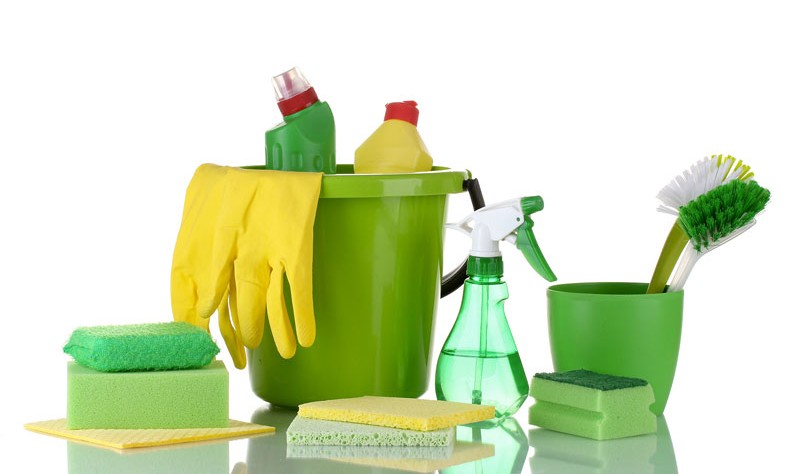
Green cleaning your health and ours
“Green cleaning” refers to the use of cleaning methods and products that are environmentally friendly and safer for human health. This approach prioritizes the well-being of both the environment and the people who inhabit the spaces being cleaned. Here’s how green cleaning impacts your health and the health of those around you:
Health Benefits of Green Cleaning
- Reduced Exposure to Toxic Chemicals
- Traditional cleaning products often contain harsh chemicals like ammonia, bleach, and volatile organic compounds (VOCs) that can irritate the skin, eyes, and respiratory system. Green cleaning products are typically free of these harmful substances, reducing the risk of health issues like asthma, allergies, and skin irritations.
- Improved Indoor Air Quality
- Many conventional cleaning products release fumes that contribute to indoor air pollution. Green cleaning products are usually low in VOCs and other harmful chemicals, leading to cleaner, healthier air in homes, schools, and workplaces.
- Minimized Allergens
- Green cleaning often involves using natural products that are less likely to trigger allergic reactions. For example, vinegar, baking soda, and essential oils can effectively clean without the use of synthetic fragrances and dyes that can aggravate allergies.
- Safe for Vulnerable Populations
- Children, the elderly, and individuals with compromised immune systems are particularly sensitive to the harsh chemicals found in traditional cleaning products. Green cleaning is safer for these vulnerable groups, helping to protect their health.
Environmental Benefits of Green Cleaning
- Reduced Environmental Impact
- Green cleaning products are often biodegradable and made from sustainable resources, reducing the environmental footprint of cleaning activities. They are less likely to contribute to water and soil pollution when washed down drains.
- Lowered Carbon Footprint
- Many green cleaning products are produced using environmentally friendly manufacturing processes and packaging, which can help reduce carbon emissions. Concentrated formulas that require less packaging also contribute to waste reduction.
- Conservation of Resources
- Green cleaning emphasizes the use of products that are not only effective but also resource-efficient. For example, using cold water for cleaning, biodegradable cloths, and refillable bottles can conserve water and reduce waste.
Our Role in Promoting Green Cleaning
- Making Conscious Choices
- By choosing green cleaning products, individuals and businesses can support companies that prioritize sustainability and health. Reading labels and researching product ingredients can help consumers make informed decisions.
- Advocating for Change
- Encouraging workplaces, schools, and communities to adopt green cleaning practices can amplify the positive impact on both human health and the environment. Supporting policies and initiatives that promote green cleaning can lead to broader societal change.
- Educating Others
- Sharing knowledge about the benefits of green cleaning can inspire others to switch to safer, more sustainable products. This can create a ripple effect, leading to healthier environments for everyone.
Conclusion
Green cleaning is not just about protecting the planet; it’s also about safeguarding our health and the health of future generations. By reducing exposure to toxic chemicals, improving indoor air quality, and minimizing our environmental footprint, green cleaning offers a safer, healthier alternative to traditional cleaning methods. Embracing green cleaning practices can lead to a cleaner, more sustainable world for all.
