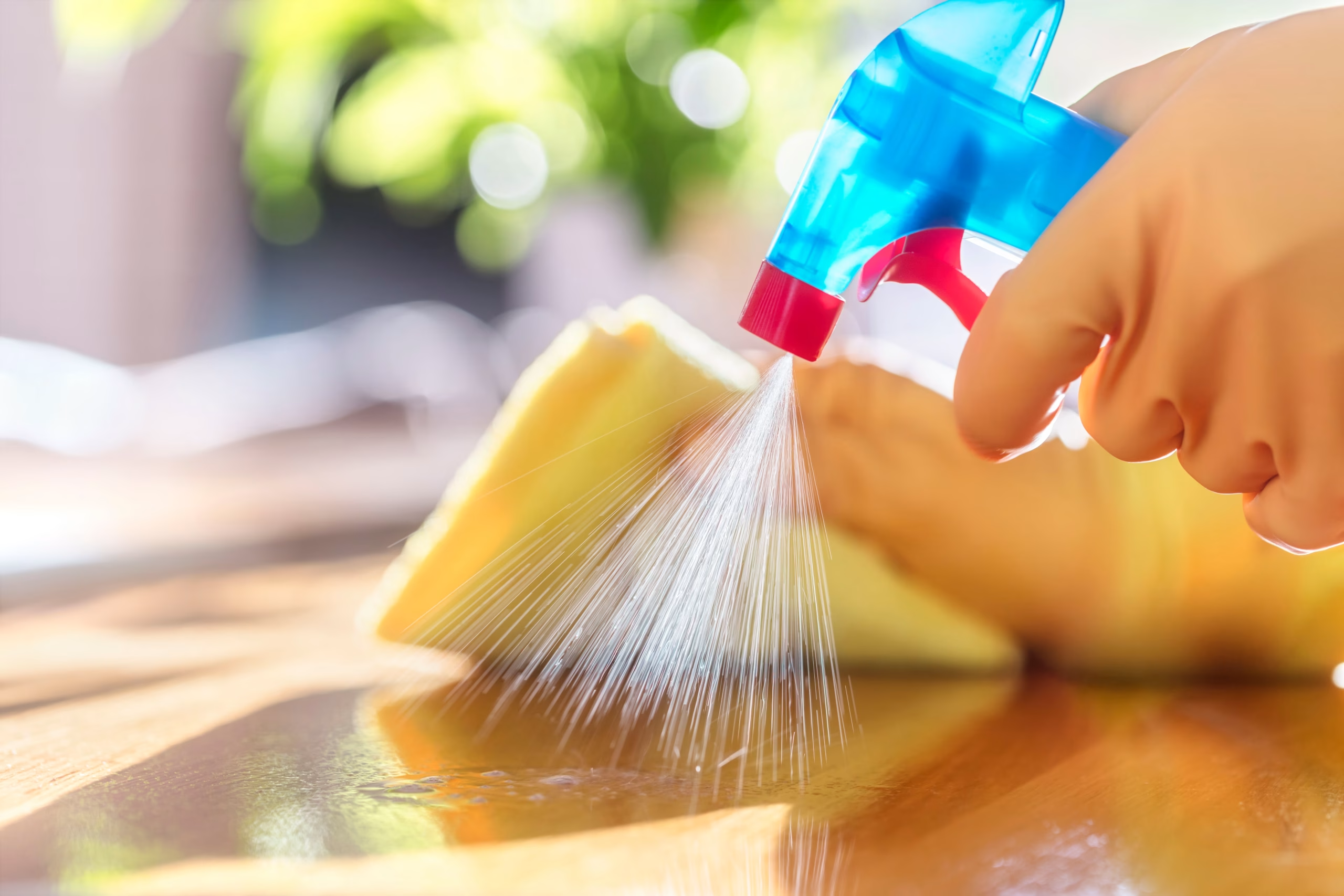
How Should High Touch Surfaces Be Cleaned, What Are They?
What Are High Touch Surfaces?
High touch surfaces are areas and objects that are frequently touched by multiple people throughout the day. Because of their frequent contact, these surfaces are more likely to harbor and spread germs, bacteria, and viruses, making them critical points for cleaning and disinfection, especially in public and high-traffic areas.
Examples of High Touch Surfaces
- Doorknobs and Handles: Both door handles on entry/exit doors and those on cabinets, drawers, and appliances.
- Light Switches: Common in rooms, hallways, and public spaces.
- Electronic Devices: Keyboards, computer mice, remote controls, tablets, and smartphones.
- Furniture: Chair armrests, tables, and countertops.
- Bathroom Fixtures: Faucet handles, toilet flush levers, and soap dispensers.
- Handrails: On stairs, escalators, and hallways.
- Elevator Buttons: Frequently touched in multi-story buildings.
- Shared Equipment: Items like pens, copy machines, phones, and office supplies in communal spaces.
- Appliance Controls: Microwave, refrigerator, and oven knobs or buttons.
- Public Use Items: Vending machines, ATMs, and public touch screens.
How to Clean High Touch Surfaces
1. Regular Cleaning
- Frequency: Clean high touch surfaces multiple times a day, especially in areas with high traffic or in situations where the spread of germs is a concern, such as during flu season or in healthcare settings.
- Use Appropriate Cleaners: Begin with a general cleaner to remove dirt, grease, and impurities from the surface. This step is important before disinfecting, as dirt can interfere with the effectiveness of disinfectants.
2. Disinfecting
- Choose an Effective Disinfectant: Use a disinfectant that is proven to kill viruses, bacteria, and fungi. Ensure it’s an EPA-registered disinfectant suitable for the types of pathogens you are concerned about.
- Follow Contact Time: Apply the disinfectant according to the manufacturer’s instructions, ensuring the surface remains wet for the recommended amount of time (dwell time) to effectively kill pathogens.
- Avoid Cross-Contamination: Use separate cloths for different surfaces, or use disposable wipes to prevent spreading germs from one surface to another.
3. Proper Technique
- Wipe in One Direction: To avoid re-depositing dirt, wipe the surface in one direction rather than scrubbing back and forth.
- Pay Attention to Details: Ensure all parts of the surface are covered, including edges and corners, where germs can accumulate.
4. Use PPE (Personal Protective Equipment)
- Wear Gloves: Always wear disposable gloves when cleaning and disinfecting high touch surfaces to protect yourself from exposure to chemicals and pathogens.
- Wash Hands After Cleaning: Even with gloves, wash your hands thoroughly after completing the cleaning process.
5. Safe Handling of Disinfectants
- Ventilation: Ensure the area is well-ventilated when using disinfectants to avoid inhaling fumes.
- Store Safely: Keep cleaning products out of reach of children and pets, and store them according to the label instructions.
6. Consider High-Touch Surface Coatings
- Antimicrobial Coatings: In some cases, applying antimicrobial coatings to high-touch surfaces can reduce the microbial load over time, although they should not replace regular cleaning and disinfecting.
Summary
High touch surfaces are objects and areas that are frequently handled by multiple people, making them prime locations for the spread of germs. To clean these surfaces effectively:
- Regularly clean to remove dirt and grime.
- Disinfect using an EPA-registered disinfectant with proper contact time.
- Follow safe and effective cleaning techniques.
- Use personal protective equipment (PPE) and ensure proper ventilation.
- Consider using antimicrobial coatings as an additional precaution.
Maintaining a routine of cleaning and disinfecting high touch surfaces is essential for reducing the spread of infections and maintaining a healthy environment.
