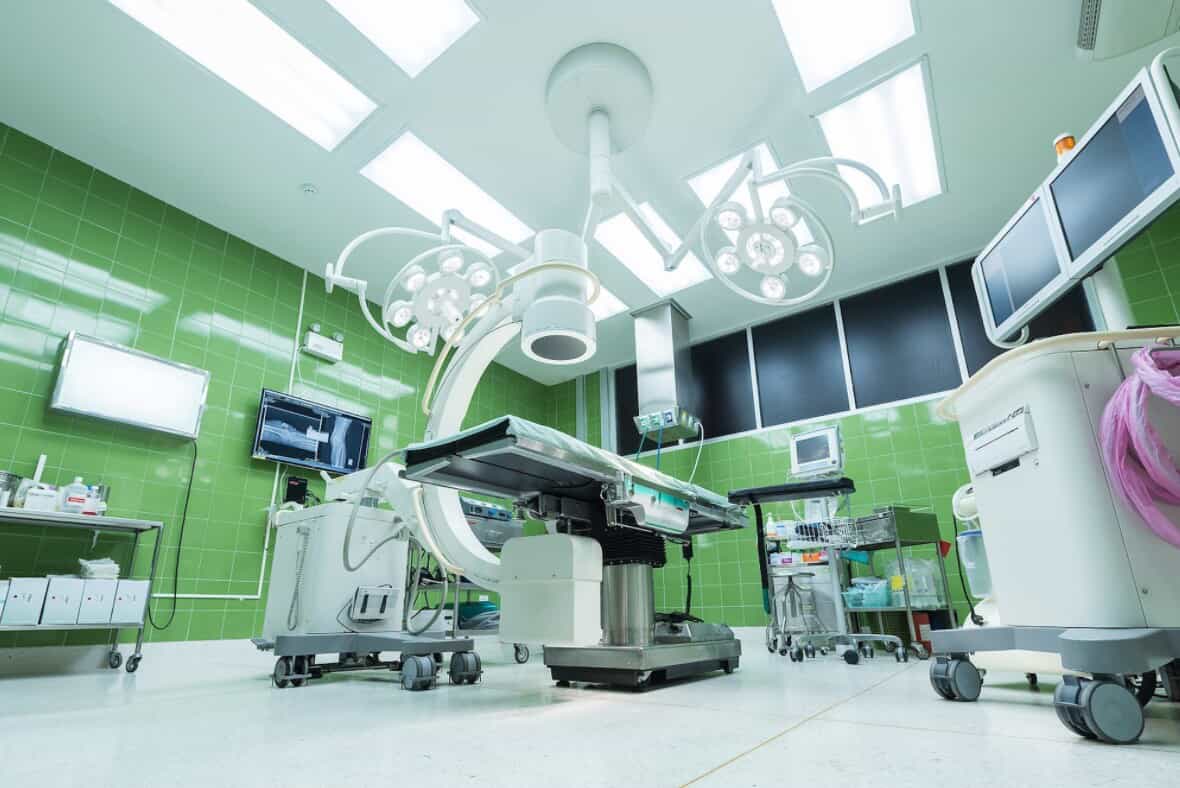
Professional Hospital cleaning services
Professional hospital cleaning services are critical for maintaining hygiene and preventing the spread of infections in healthcare settings. These services are specialized to meet the high standards required for patient safety and regulatory compliance. Key aspects of professional hospital cleaning include:
1. Infection Control
- Disinfection: Regular disinfection of high-touch areas such as patient rooms, medical equipment, bed rails, doorknobs, and nurse stations to prevent the spread of bacteria and viruses.
- Sterilization: Specialized cleaning techniques for surgical rooms, operating theaters, and intensive care units (ICUs) to ensure sterilization of medical equipment and surfaces.
- Antimicrobial Cleaning Products: Use of hospital-grade disinfectants and antimicrobial agents that meet healthcare regulations.
2. Comprehensive Area Coverage
- Patient Rooms: Cleaning and disinfecting patient rooms, including floors, beds, medical furniture, and waste disposal.
- Restrooms and Common Areas: Ensuring clean and sanitized restrooms and communal areas such as waiting rooms and corridors.
- Operating Rooms and Treatment Areas: Deep cleaning and sterilization of surgical rooms and treatment areas, which involve rigorous protocols to eliminate any risks of contamination.
3. Waste Management
- Biohazard Disposal: Safe and compliant disposal of medical waste, including sharps, blood-soaked materials, and other biohazardous items, in accordance with healthcare regulations.
- General Waste Management: Removal and proper disposal of general waste, including recyclable materials and non-hazardous items.
4. Floor and Surface Care
- Floor Maintenance: Cleaning, mopping, and disinfecting hard floors, tile, or vinyl in patient areas and hallways, along with periodic deep cleaning like stripping, waxing, and polishing.
- Carpet Cleaning: For carpeted areas, deep cleaning methods like steam cleaning are used to eliminate germs, dirt, and allergens.
5. Restocking Supplies
- Regular restocking of essential supplies such as hand sanitizers, soap, paper towels, and disinfectant wipes in patient rooms, restrooms, and common areas.
6. Compliance with Healthcare Standards
- Adherence to Guidelines: Cleaning staff are trained to follow strict standards such as those set by the CDC (Centers for Disease Control and Prevention) and OSHA (Occupational Safety and Health Administration) to ensure compliance with healthcare regulations.
- Proper PPE Use: Cleaners are required to wear personal protective equipment (PPE) such as gloves, masks, and gowns to prevent cross-contamination.
7. Emergency and Specialized Cleaning
- Isolation Room Cleaning: Specialized cleaning protocols for isolation rooms that house patients with contagious diseases, using enhanced disinfectants and procedures.
- Post-Incident Cleaning: Immediate cleaning response following incidents like blood spills, exposure to hazardous chemicals, or patient contamination to ensure rapid containment and sanitization.
8. Customized Service Plans
- Hospitals often have specific needs based on their size and services. Professional hospital cleaning services offer customizable cleaning schedules and service plans to meet unique requirements.
9. Green Cleaning Solutions
- Some services provide eco-friendly cleaning products that are less toxic and safer for patients and staff, while still being effective in infection control.
By maintaining cleanliness, reducing infection risks, and ensuring proper sanitation, professional hospital cleaning services play an essential role in delivering a safe and healthy environment for patients, healthcare staff, and visitors.
